





The Race to the Moon's South Pole
The 2028 mission, known as Artemis IV, is set to be the first crewed lunar landing since the Apollo era ended in 1972. The goal is not just to plant a flag, but to establish a long-term human presence on the Moon, starting with the resource-rich South
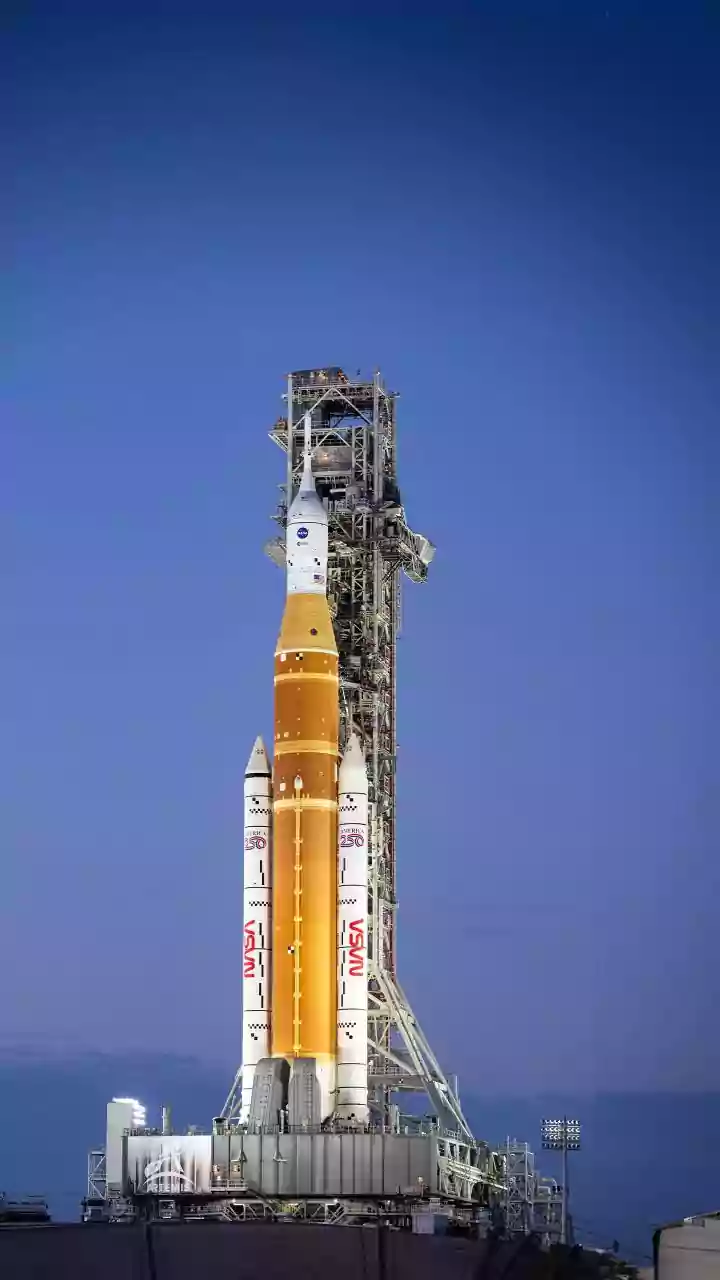
Pole. This ambitious plan relies on a new generation of spacecraft developed through public-private partnerships. Rather than building the lander entirely in-house, NASA has solicited designs from commercial spaceflight companies, fostering competition and innovation. The Artemis program itself has seen several timeline shifts. Initially aiming for a 2024 landing, the program has been restructured, with Artemis III now slated for an Earth-orbit systems test in 2027, making Artemis IV the first landing mission.
Two Companies, Two Landers
The competition for the Human Landing System (HLS) has narrowed to two aerospace giants: SpaceX, led by Elon Musk, and Blue Origin, founded by Jeff Bezos. SpaceX is developing a lunar-optimized version of its massive Starship vehicle, which recently achieved orbit for the first time. Blue Origin leads a 'National Team', including partners like Lockheed Martin and Boeing, to build its 'Blue Moon' lander. NASA's strategy is to have two independent providers to ensure redundancy and competitive pricing, a model that has proven successful with its Commercial Crew Program for the International Space Station. This dual-provider approach is meant to guarantee a ride to the Moon even if one company faces significant delays.
Why Hasn't a Lander Been Chosen?
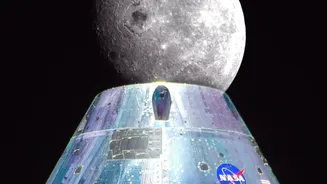
The simple answer is that it's a high-stakes decision with complex technical hurdles still to overcome. NASA is keeping its options open to see which system proves most ready and reliable. Both landers have different operational concepts. SpaceX's Starship requires multiple in-orbit refueling flights before it can head to the Moon, a technology that has never been demonstrated on this scale. Blue Origin's Blue Moon proposes a multi-stage approach to get to the lunar surface. In a recent strategic shift, NASA announced that it will not assign a lander to a specific mission yet. Instead, both SpaceX and Blue Origin are participating in the Artemis III mission in 2027, which will serve as a full-scale dress rehearsal in Earth orbit, testing docking and other critical systems with the Orion crew capsule.
What Happens Next?
The performance of each company during the Artemis III test mission in 2027 will be a major factor in NASA's final decision for the 2028 landing. According to recent statements, NASA intends to wait as long as possible before selecting which provider will carry the first astronauts back to the lunar surface. This approach puts pressure on both companies to meet aggressive development and testing milestones. Before the crewed landing, both SpaceX and Blue Origin are required to perform a successful uncrewed demonstration landing on the Moon to prove the safety and reliability of their systems. This keeps the race competitive and allows NASA to pick the most mature system when the time comes, giving the agency the best possible shot at making its 2028 target.