




A Global Heritage Under Siege
Across the globe, the stone, mud brick, and wood that tell the story of human civilization are facing an unprecedented crisis. According to UNESCO, a significant number of World Heritage sites are threatened by climate change. The issue is not one of distant,
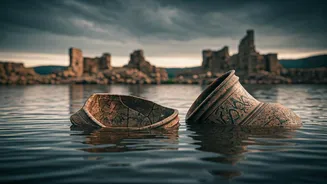
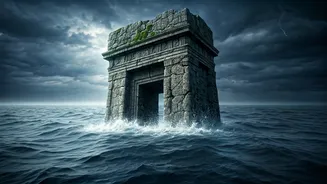
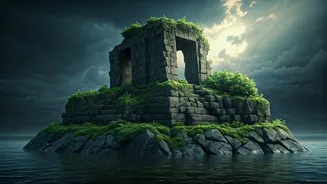
future risk; the damage is happening now. From the iconic Moai statues on Rapa Nui (Easter Island) being undermined by coastal erosion to the historic city of Bagerhat in Bangladesh being threatened by saltwater flooding, our shared past is being washed away, dried out, and battered by forces it was never built to withstand. This isn't just about losing old buildings; it's about losing irreplaceable records of who we are and where we came from.
The Deluge and The Drought
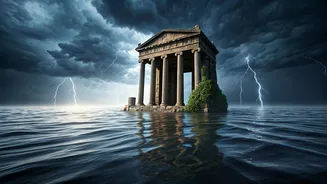
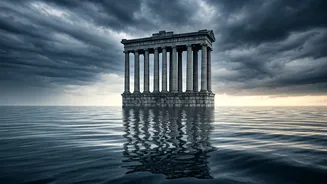
The primary culprits are the extreme ends of the water cycle. On one hand, rising sea levels and more intense storms are causing catastrophic flooding and erosion. In Scotland, a prehistoric settlement in the Outer Hebrides was decimated overnight when the coastline retreated by 50 meters during a storm. Similarly, the 1,000-year-old adobe walls of Chan Chan in Peru are at high risk from river flooding. On the other hand, a lack of water can be just as destructive. Extreme heat and drought are placing immense stress on ancient structures. In Iraq, the cradle of civilization, increased salt concentrations in the soil due to water shortages are literally eating away at the mud-brick foundations of legendary cities like Babylon. The alternating cycles of expansion and contraction from heat can cause cracking in stone buildings, as seen in Iran.
From Wildfires to Humidity
The threats are varied and insidious. In recent years, devastating wildfires have raged perilously close to ancient sites in Greece and Italy, threatening places like the archaeological site of Olympia and ancient temples in Sicily. The fires not only burn structures but also cause thermal shock that can shatter stone, and the smoke and soot cause lasting damage to delicate surfaces. Even without flames, changes in the air can be ruinous. In China's famous Mogao grottoes, increased humidity is causing salt to crystallize on the ancient painted walls, making the paint flake off and destroying priceless art. In the Arctic, thawing permafrost is destabilizing the ground beneath ancient hunting sites and settlements, exposing organic artifacts that have been frozen for millennia to sudden decay.
A Race to Document and Protect
In the face of this onslaught, archaeologists and conservationists are in a desperate race against time. The response is multi-faceted, ranging from high-tech solutions to heartbreaking choices. Scientists are using 3D laser scanning to create perfect digital replicas of sites before they are lost. Some efforts are more direct, like the construction of a massive sea wall to protect the 5,000-year-old village of Skara Brae in Scotland from intensifying storms. In Malta, protective shelters have been built over the ancient Megalithic Temples to shield them from sun and rain. However, it's becoming clear that not everything can be saved. This has led to the difficult concept of archaeological triage, where experts may have to make hard choices about which sites to invest resources in and which must be documented before they are left to the elements.