





The Search for a Third Way
The pandemic years turned many of us into ambitious home chefs, but the novelty has worn off, replaced by cooking fatigue. Yet, a full-scale return to pre-pandemic habits hasn't happened. With dual-income households, busy schedules, and a greater awareness
of health and wellness, the default to ordering out is often unsatisfying. Takeaway fatigue is real, and so is the desire for the wholesome feeling of a home-cooked meal. This has created a demand for a middle ground: meals that offer the convenience of a takeaway but the satisfaction and freshness of home cooking. It’s a movement away from the all-or-nothing kitchen, towards a more practical, sustainable approach to daily meals.
The Rise of 'Speed Scratch' Cooking
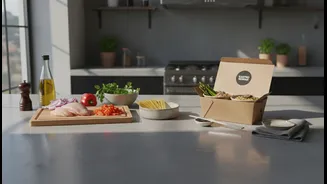
This middle ground has a name: 'speed scratch' or 'semi-homemade' cooking. The concept is simple: use a combination of ready-made or convenience products and fresh ingredients to assemble a meal quickly. Think of it as a strategic shortcut. Instead of making a pasta sauce from scratch, you might use a high-quality bottled sauce and elevate it with fresh vegetables and herbs. It could mean using pre-marinated meat from a butcher, ready-to-cook parathas, or frozen dumplings that you can steam and serve with a homemade dipping sauce and fresh greens. This approach significantly cuts down on prep time and labour without sacrificing the feeling that you've actively participated in making your dinner. It’s about being smart with your time, not about avoiding cooking altogether.
A Booming Market for Convenience
This shift in consumer behaviour has not gone unnoticed. The market for Ready-to-Cook (RTC) foods in India is experiencing explosive growth. According to data from Kantar Worldpanel, the RTC category saw a staggering 58% growth in 2024, adding 18 million new households. This far outpaces the growth of the overall packaged food market. This surge is driven by urbanisation and evolving lifestyles that demand time-saving meal solutions. Unlike Ready-to-Eat (RTE) meals, which only require heating, RTC products like biryani kits, dosa batters, and curry pastes allow for a degree of personalisation and involvement that consumers crave. Meal kit delivery services are also a major part of this trend, with the Indian market projected to grow significantly as they provide pre-portioned ingredients and recipes, removing the mental load of meal planning.
More Than Just Saving Time
The appeal of this hybrid approach goes beyond just a packed schedule. It’s also about reducing decision fatigue. The mental energy required to plan a week of meals from scratch, shop for every single ingredient, and then execute the cooking can be draining. Semi-homemade cooking streamlines this process. By relying on a few high-quality prepared components, you remove several steps, freeing up mental space. Crucially, it still delivers the psychological payoff of cooking. You are still chopping, sautéing, and combining flavours—you are creating. This sense of accomplishment is something a takeaway can never provide. It allows people to feel good about what they’re eating, have control over their ingredients, and enjoy a fresh meal without the burnout associated with a fully scratch-made dinner every night.