


More Than Just a Side Dish
For generations, a spoonful of achar has been the quickest way to elevate a simple meal in India, turning dal and rice into a feast for the senses. But today, that pungent, spicy, and tangy magic is no longer a regional secret. Indian pickles are experiencing
a global moment, moving from the shelves of speciality grocery stores to the forefront of the international gourmet scene. This rise is fueled by a growing global appetite for bold, authentic, and complex flavours that challenge the palate. As chefs and food lovers look for the next big taste, they are discovering the universe of flavour packed into a single jar of Indian pickle.
A Universe of Flavor in a Jar
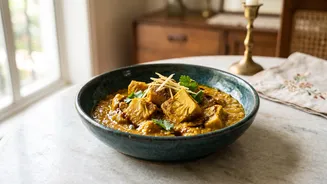
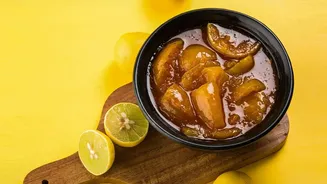
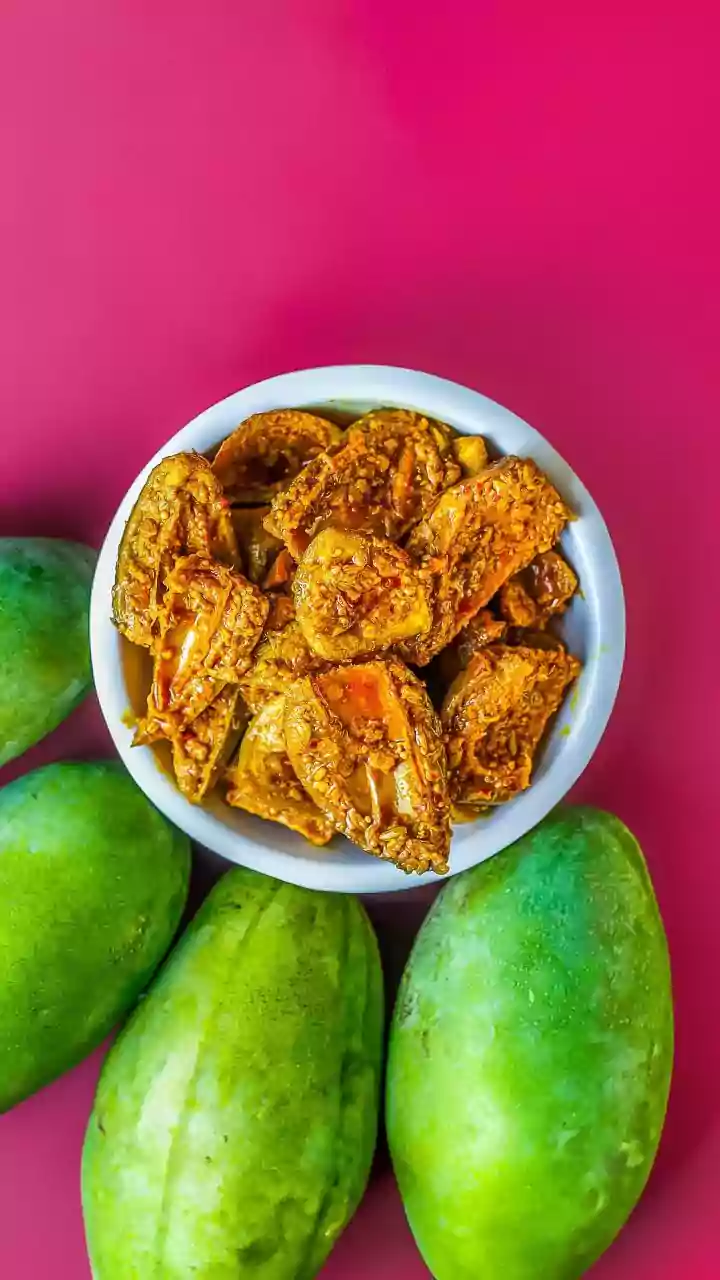
To think of 'Indian pickle' as a single flavour is like thinking of 'cheese' as only one type. The diversity is staggering. Every region, and often every family, has its own treasured recipes. In the south, you might find a fiery mango 'Avakaya' pickle from Andhra, while Gujarat in the west offers a sweet and sour lemon pickle. The north is famous for preparations like stuffed red chilli pickle from Punjab, and the Northeast utilizes unique ingredients like bamboo shoots. These pickles are made from a vast array of fruits and vegetables—from common mangoes, limes, and chillies to rarer finds like monkey jackfruit or lotus root. The pickling medium itself varies, using brines, vinegars, or a wide range of oils like mustard and sesame, each imparting a distinct character.
Heritage, Health, and Handcrafted Quality
A key part of the appeal is the story behind the jar. Many pickles are still made using traditional methods passed down through generations, often involving sun-drying and slow fermentation. This artisanal approach resonates with a modern consumer base that values authenticity and 'clean-label' foods with few to no preservatives. Furthermore, the wellness trend has cast a favourable light on these heritage foods. The natural fermentation process in many traditional pickles means they are rich in probiotics, which are beneficial for gut health. Spices commonly used, like turmeric, are also known for their anti-inflammatory properties, adding a layer of functional benefit to the flavour.
Why Now? A Convergence of Trends
Several factors are contributing to this surge in popularity. The global 'Indianization' of pantries means that spices and flavours once considered exotic are now becoming staples in households worldwide. The rise of Indian diaspora chefs and food entrepreneurs has also played a huge role, as they proudly showcase their culinary heritage in new and exciting ways. At the same time, the 'swicy' (sweet and spicy) trend has primed global palates for the complex flavour profiles that Indian pickles masterfully deliver. Packaged for a global audience and celebrated on social media, these pickles are finding their way into fusion dishes, from mango pickle spreads to lime pickle salad dressings, proving their versatility beyond traditional Indian meals.
From Family Recipes to Global Brands
This growing demand has spurred a new wave of artisanal and heritage-focused brands. Companies are now packaging age-old family recipes for a worldwide market, emphasizing small-batch production, high-quality ingredients like Himalayan rock salt and cold-pressed oils, and a connection to a specific region or family story. Brands like Priya Foods, known for its fiery South Indian pickles, and Mother's Recipe have become widely available internationally. They are joined by a growing number of small-batch producers who focus on unique, preservative-free options that taste homemade, bridging continents with a spoonful of authentic Indian flavour. This commercialization has turned what was once a household practice into a significant export industry for India, supplying over 50 countries.