

The Foundation: Understanding Flat Twists
Flat twists are a beloved protective style that combines the technique of a two-strand twist with the scalp-hugging method of cornrows. The process involves parting the hair into sections and then twisting each section flat against the scalp, gradually
adding more hair as you move along. The result is a neat, defined pattern that is both stylish and practical. One of the main benefits is reducing daily hair manipulation, which helps to minimize breakage and retain length. They are also incredibly versatile; you can create them in various sizes and patterns, wear them as is, or style them into updos. To begin, start with clean, moisturized hair. Create a section, divide it into two strands at the hairline, and begin twisting them around each other. As you twist backward, pick up a small amount of hair and add it to a strand before making the next twist. This 'scoop and twist' motion continues until you reach the end of the section, creating a twist that lies flat against the head. Flat twists are generally gentle on the scalp and can last for several weeks with proper care.
1. The Classic Twist Out
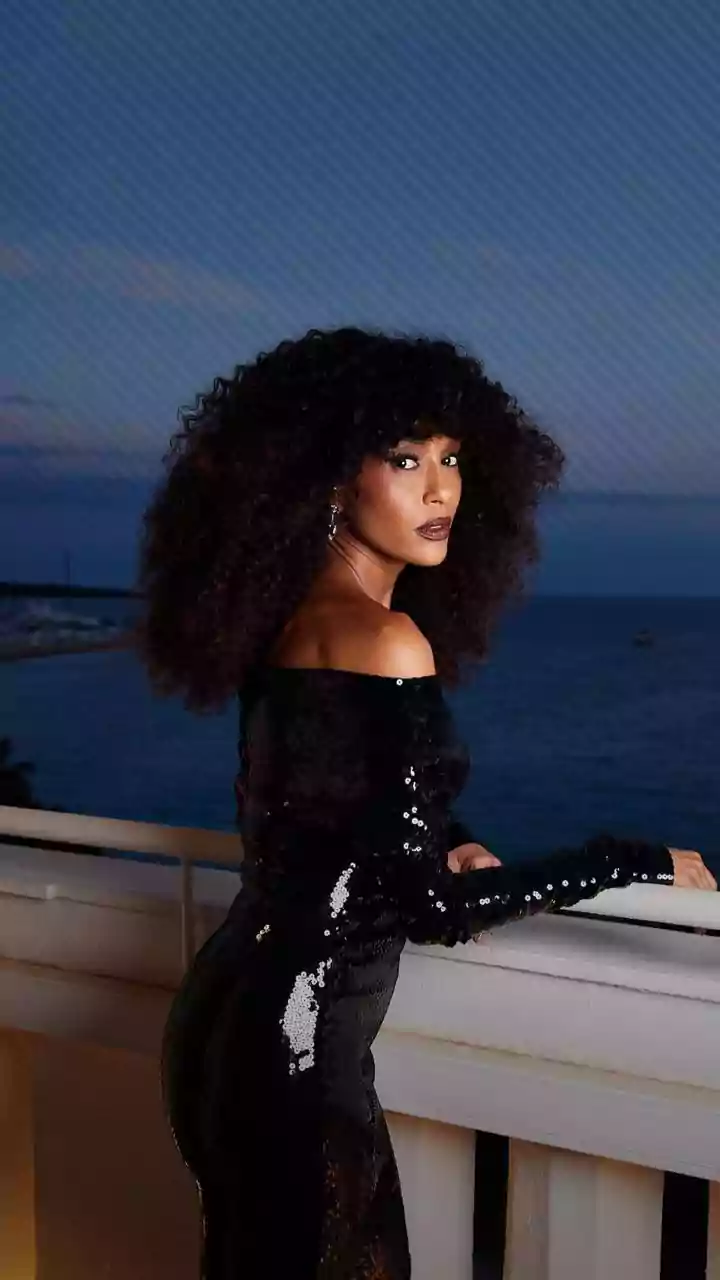
A twist out is a foundational style in the natural hair community for a reason. It’s achieved by creating two-strand twists on damp, moisturized hair, allowing them to fully dry, and then carefully unraveling them. The result is a beautifully defined, wavy or curly pattern that enhances your natural texture. The key to a great twist out is starting with clean, detangled hair and using a good moisturizing cream or twisting butter to ensure your strands are hydrated and have hold. Section your hair and, taking one section at a time, divide it into two even strands. Twist them around each other from root to tip. The size of your twists will determine the size of your final curls—smaller twists lead to tighter curls, while larger twists create looser waves. Allowing the twists to dry completely is crucial to avoid frizz. You can air-dry overnight or use a hooded dryer. When it's time to unravel, apply a bit of oil to your fingertips to minimize frizz and gently separate each twist.
2. Bold and Beautiful: Bantu Knots
Bantu knots are a striking style with deep cultural roots in the Bantu ethnic groups of Southern and Central Africa. This style involves sectioning the hair, twisting each section tightly, and then wrapping the twist around itself to form a small, coiled knot that sits close to the scalp. Not only are Bantu knots a bold hairstyle on their own, but they also serve as an excellent method for creating heatless, springy curls—a look known as a 'Bantu knot-out'. To create them, start on moisturized hair, parting it into clean sections of your desired size. Take one section, twist it from the root to the end until it begins to coil on itself, and then wrap that coiled rope around its base to form the knot, tucking the end underneath to secure it. For extra hold, you can use a bobby pin. This style is a fantastic way to protect your ends while making a powerful statement.
3. Sleek and Defined: Cornrows
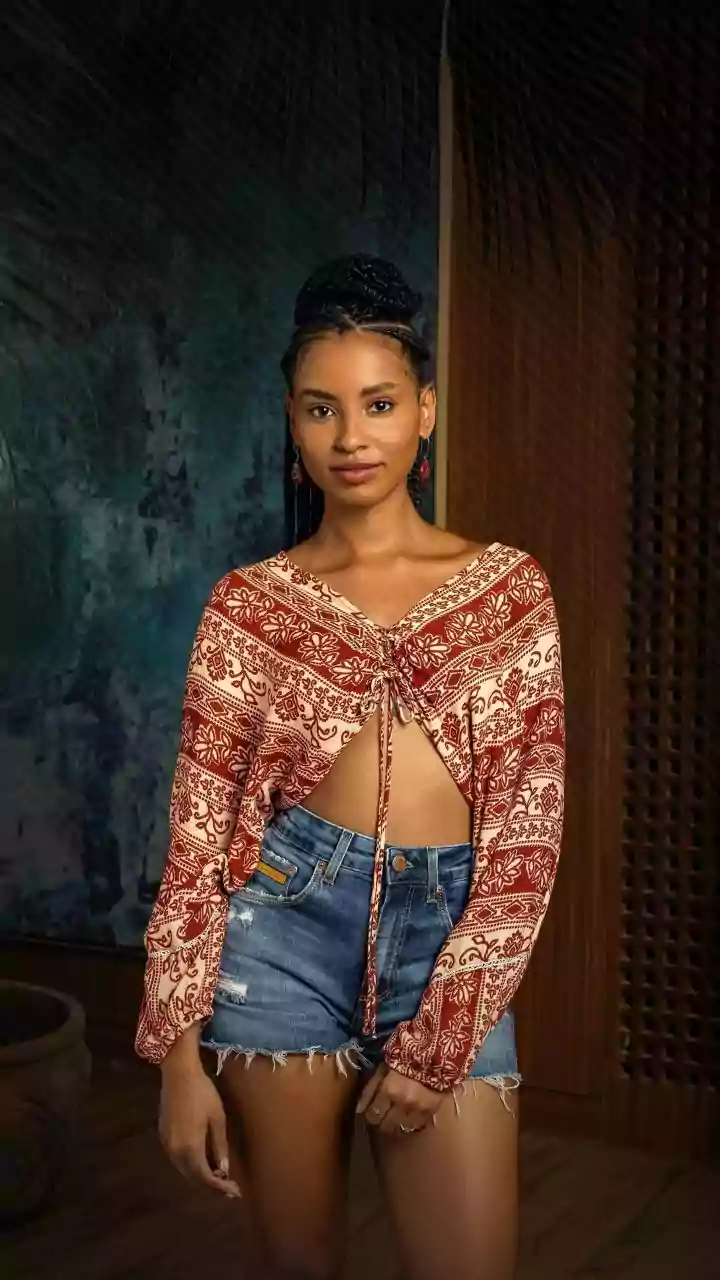
Cornrows are a timeless and highly versatile protective style. Like flat twists, they involve braiding the hair close to the scalp, but using a three-strand underhand or overhand braiding technique. They are incredibly low-maintenance and can help protect hair from stress while promoting length retention. Cornrows can be styled in countless ways, from simple, straight-back designs to intricate, geometric patterns. They can be done on natural hair alone or with extensions for added length and volume. The key to healthy cornrowing is ensuring they are not braided too tightly, as excessive tension can lead to breakage and scalp irritation. When installed correctly, they allow for easy access to the scalp for cleansing and moisturizing, making them a practical and long-lasting protective option.
4. Effortless Elegance: The High Puff
For days when you need a quick, chic, and easy style, the high puff is an undeniable winner. It’s a simple updo that beautifully showcases the volume and texture of your hair. This style works by gathering your hair to the crown of your head into a ponytail. To get a sleek look at the base, many people apply gel or edge control around the hairline and use a boar bristle brush to smooth the hair upward. A popular technique involves using an elastic headband or a shoelace to gather the hair, pushing it up to create the desired height and volume before tying it securely. This method avoids forcing all of your hair through a small ponytail holder, which can cause breakage. The high puff is a go-to for its simplicity and elegance, celebrating your hair's natural body.