







The Final Urban Frontier
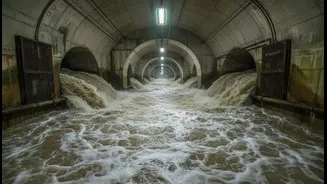
The phrase 'hidden air' isn't about pockets of oxygen, but a more compelling idea: the vast, untapped potential of subsurface space. This refers to the ground beneath our cities, from the top 50-200 metres downwards, which could be systematically used
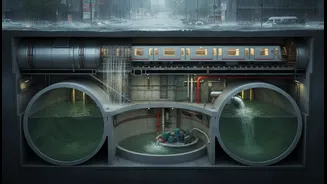
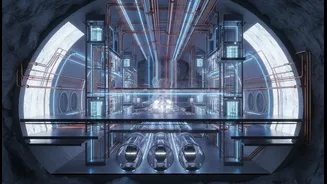
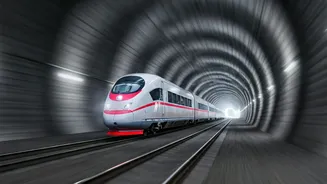
for more than just foundations and sewers. For centuries, we have placed essential services underground, from water pipes to metro lines. However, planners and engineers now envision a more integrated, three-dimensional approach to urban design. Instead of ad-hoc projects, they propose creating a planned 'subsurface urbanism' where the underground is a deliberate and organised extension of the city above. This means moving beyond just utilities and transport to potentially include logistics hubs, data centres, public facilities, and even recreational spaces.
Building for Resilience and Livability
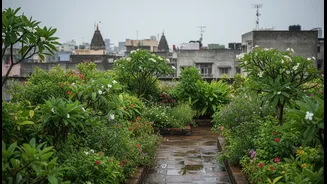
One of the most significant benefits of developing underground is enhancing urban resilience. Subterranean structures are naturally protected from extreme weather events like storms, high winds, and temperature fluctuations that frequently damage overhead infrastructure like power lines. This leads to a more reliable and stable supply of essential services. Furthermore, the stable temperatures underground offer incredible energy efficiency, as facilities require significantly less power for heating and cooling. Moving noisy or visually unappealing infrastructure, such as freight lines and power substations, underground can also dramatically improve life at street level by reducing noise pollution and freeing up surface land for parks, housing, and public spaces. Cities like Helsinki and Singapore are already implementing 'Underground Master Plans' to strategically move functions below ground, reclaiming valuable surface area for people and nature.
Energy Storage in Unlikely Places
A particularly innovative use for this subterranean space is for large-scale energy storage. As India expands its renewable energy capacity from intermittent sources like solar and wind, the need for effective storage solutions is critical. One promising technology is Compressed Air Energy Storage (CAES). This method uses off-peak electricity to compress air and store it at high pressure in underground caverns, such as disused salt mines. When demand for electricity is high, the compressed air is released, heated, and used to drive a turbine, generating power. This approach is emerging as a cost-effective solution for long-duration energy storage, rivalling other technologies like pumped hydro and outperforming batteries for grid-scale applications.
The Challenges Beneath Our Feet
Despite the enormous potential, building downwards is far from simple. The primary hurdle is cost. The initial capital investment for underground projects is significantly higher than for surface-level construction, which often deters planners and governments. Geotechnical engineering plays a crucial role, as conditions can be unpredictable. Urban areas often have a complex mix of natural soils, previously disturbed ground, and a dense, often poorly documented, network of existing utilities. Excavating safely in these environments requires advanced technology and meticulous planning to avoid disrupting services or causing instability. There are also psychological and social barriers to overcome regarding the human experience of spending time in underground spaces, requiring thoughtful design to ensure safety, accessibility, and a sense of openness.
A Vision for India's Growing Cities
For India's rapidly expanding metropolitan areas like Mumbai, Delhi, and Bengaluru, which face immense pressure on land and infrastructure, subsurface development offers a compelling vision. As urban populations swell, issues like traffic congestion, pollution, and a lack of green space become more acute. Adopting a strategic approach to underground development could help alleviate these pressures. Placing new metro lines, utility corridors, and even commercial parking underground could free up congested surface arteries. While the challenges are significant, viewing the ground beneath our cities as a valuable resource to be planned and managed—rather than an afterthought—is a crucial step towards building the sustainable and liveable Indian cities of the future.