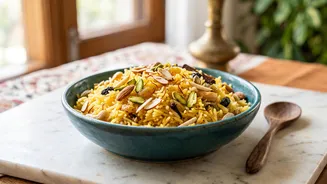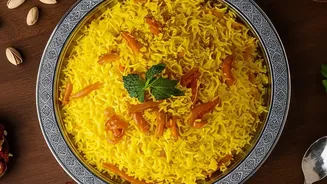

When Sonia Gandhi recently reminisced about her family’s festive meals, she offered a rare glimpse into a cherished culinary tradition: a special Kashmiri sweet rice. This has turned the spotlight on the likely dish, the luxurious Modur Pulav.
A Sweet Festive Memory
In a recent
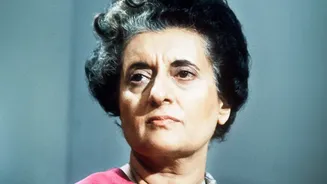
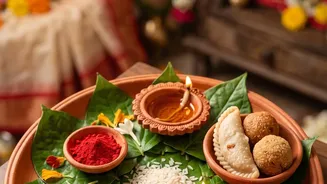
video conversation with her daughter Priyanka and granddaughter Miraya, Sonia Gandhi recalled Diwali celebrations at her late mother-in-law Indira Gandhi's residence. She shared that on festive occasions, their family always enjoyed Kashmiri food, specifically mentioning a 'sweet rice' that they continue to make to this day. This nostalgic anecdote is deeply rooted in the Nehru family's Kashmiri Pandit heritage, a connection that has historically found its way to the dining table during special celebrations. While she didn't name the dish, the description immediately brings to mind Kashmir’s most famous sweet rice preparation: Modur Pulav.
What Exactly is Modur Pulav?
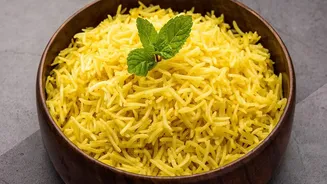
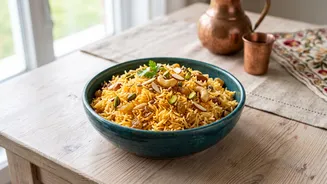
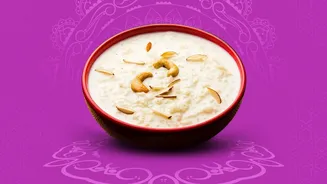
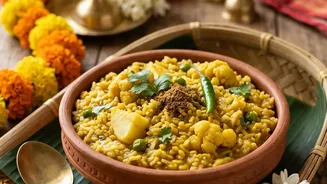
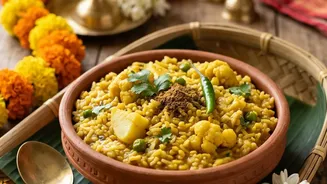
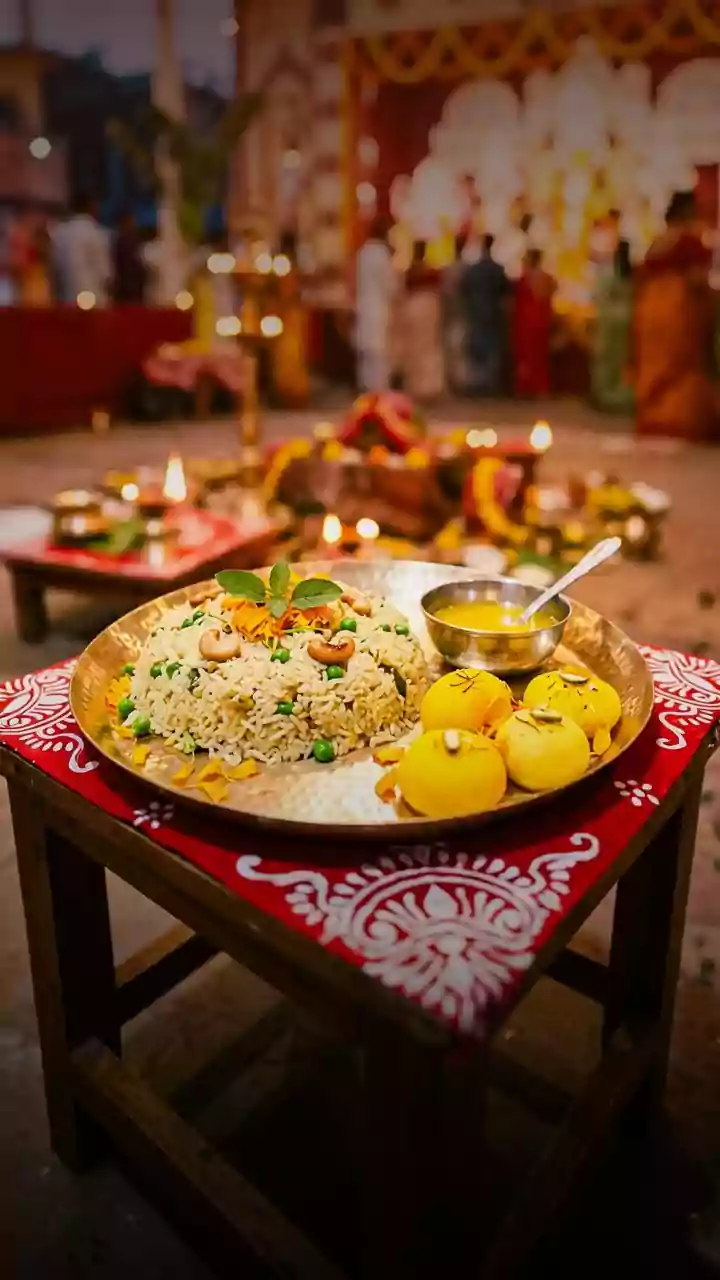
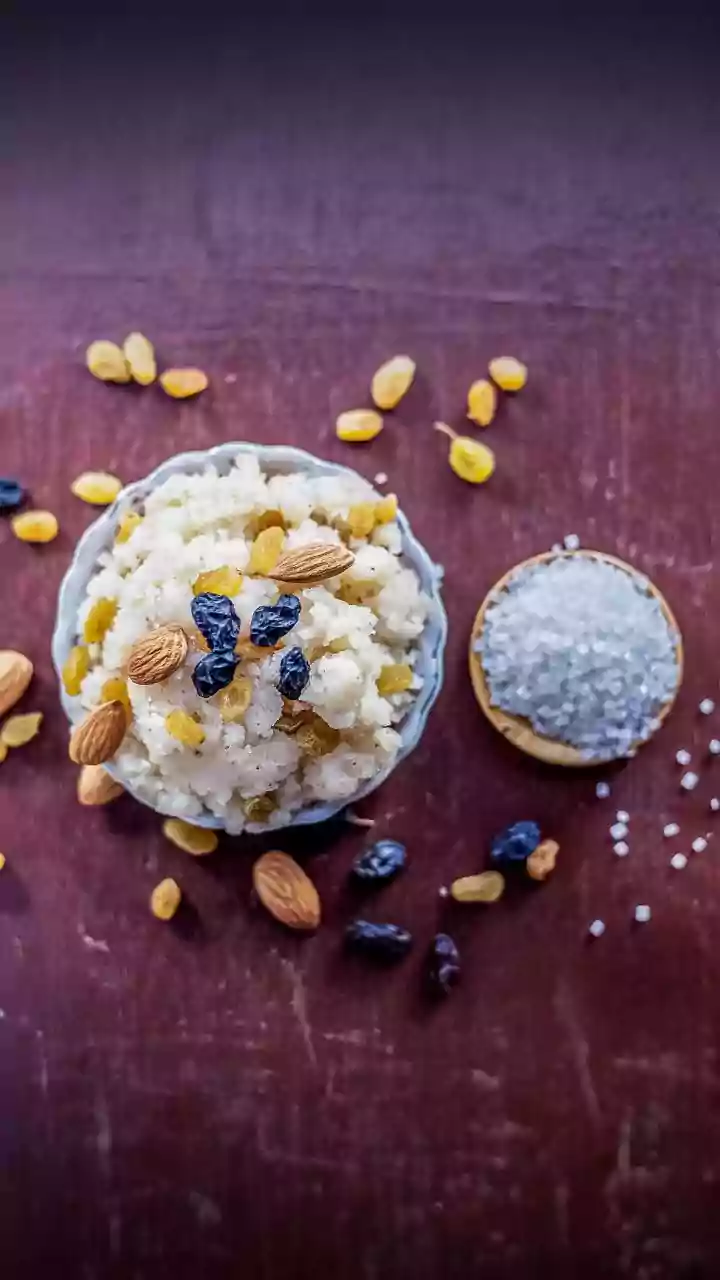
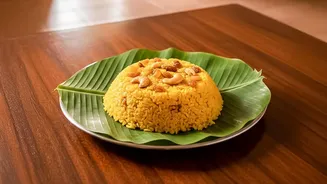
The name itself is a giveaway. In the Kashmiri language, 'Modur' means sweet. So, Modur Pulav is, quite simply, a sweet pilaf. But that description barely does it justice. It is a world away from the savoury, spicy pulaos and biryanis common across the rest of India. This dish is an opulent preparation of long-grain basmati rice cooked with sugar, a generous amount of ghee, and an array of nuts and spices, creating a final product that is fragrant, rich, and unapologetically festive. Its defining characteristic is a gentle sweetness, balanced by the warmth of whole spices and the beautiful golden colour imparted by one of Kashmir's most prized treasures: saffron.
A Symphony of Rich Ingredients
The magic of Modur Pulav lies in its harmonious blend of ingredients. The foundation is high-quality basmati rice, chosen for its long grains and delicate aroma. This is cooked with a significant amount of ghee, which adds a deep, nutty richness. The sweetness comes from sugar, while the dish’s signature fragrance and colour are derived from saffron strands soaked in warm milk. To complement the sweetness, whole spices like cinnamon, green cardamom, cloves, and bay leaves are added, infusing the rice with a subtle warmth. The final flourish is a generous scattering of fried nuts and dried fruits, typically including almonds, cashews, raisins, and sometimes even dried coconut or dates, which add texture and another layer of flavour.
A Dish Steeped in Tradition
Modur Pulav is not an everyday meal; it is a dish reserved for moments of joy and celebration. It holds a special place in the culinary traditions of both Kashmiri Pandits and Kashmiri Muslims. The dish is a staple at weddings, religious festivals, and significant family gatherings, where it symbolises abundance, hospitality, and the sweetness of the occasion. Serving Modur Pulav is a gesture of warmth and generosity, an edible expression of celebration that has been passed down through generations. Its preparation is a cherished ritual, bringing families together to create a dish that is central to their festive identity.
The Sweet Course in a Savoury World
Interestingly, Modur Pulav often occupies a unique space in a traditional Kashmiri meal. Unlike a dessert that is served at the very end, it is typically presented as part of the main course, alongside various savoury dishes. Its sweetness is designed to act as a delightful counterpoint to the spicy and tangy flavours of other preparations, like rich meat curries or vegetable sides. This placement highlights its role not just as a sweet treat, but as an integral component of a balanced, multi-course feast. It cleanses the palate and offers a moment of fragrant indulgence amidst the complex flavours of a traditional Kashmiri spread, showcasing the sophisticated layering of tastes in the region's cuisine.