




The Core of the New Rules: GRAP Explained
The primary tool authorities use is the Graded Response Action Plan (GRAP), which has been activated as of October 21 due to deteriorating air quality. This is a set of emergency measures that become progressively stricter as the Air Quality Index (AQI)
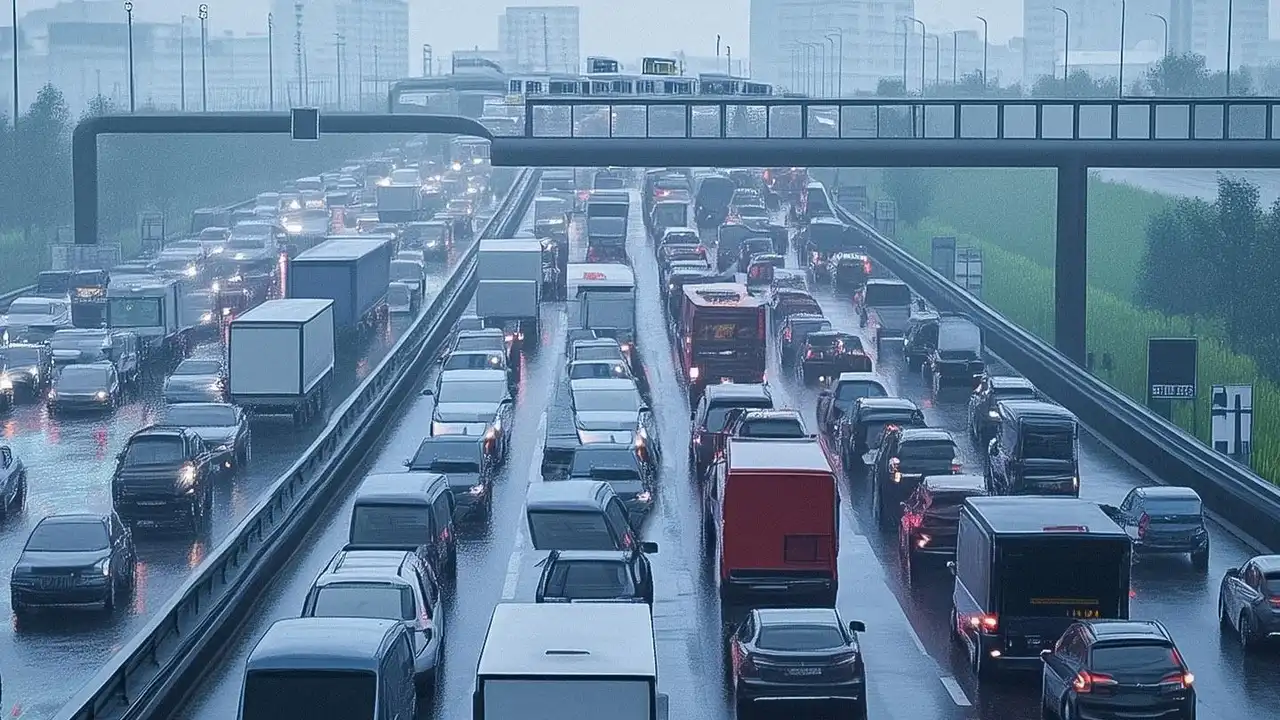
worsens. For interstate drivers, the most significant impact comes from restrictions on vehicles with older emission standards. These rules are not just for Delhi-registered vehicles; they apply to any car, bus, or truck entering the capital region from neighbouring states like Haryana, Uttar Pradesh, Punjab, and Rajasthan. The goal is to cut down on vehicular pollution, a major contributor to the region's toxic winter smog.
Which Vehicles Are Banned?
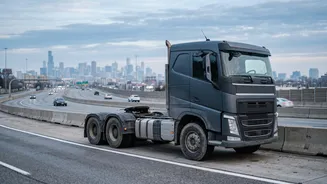
The restrictions target vehicles based on their fuel type and Bharat Stage (BS) emission standard. As different stages of GRAP are invoked, the list of banned vehicles expands. Typically, once Stage 3 is in effect, BS-III petrol and BS-IV diesel light motor vehicles (four-wheelers) are barred from the roads in Delhi-NCR. These rules apply to private cars and taxis entering from other states. For commercial vehicles, the rules are even stricter. Only electric, CNG, and BS-VI compliant diesel buses and trucks are allowed to enter Delhi. This ban includes light, medium, and heavy goods vehicles, as well as buses operating under All India Tourist Permits. Vehicles carrying essential goods might have exemptions in some cases, but these have been tightened in the latest revisions.
Why These Directives Matter for Interstate Drivers
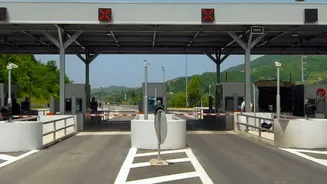
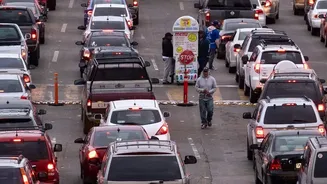
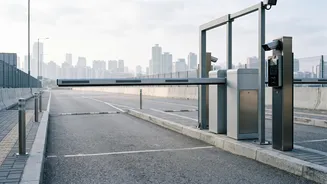
If you are driving a private diesel car older than a BS-IV model or a petrol car older than BS-III, you risk being denied entry into Delhi-NCR or facing heavy penalties. For commercial operators, the impact is immense. A trucker from Punjab or a bus operator from Rajasthan with a non-compliant fleet cannot enter the capital, disrupting supply chains and transport services. Authorities at border points are tasked with checking vehicles and turning back those that do not meet the criteria. Furthermore, all vehicles entering the region must have a valid Pollution Under Control (PUC) certificate. Some proposals even include a 'No PUC, No Fuel' policy, which would prevent non-compliant vehicles from refuelling.
Penalties for Non-Compliance
Ignoring these directives can be a costly mistake. Driving a restricted vehicle during a GRAP implementation phase can lead to significant fines. Under the Motor Vehicles Act, penalties for such violations can be as high as ₹20,000. Authorities also have the power to impound vehicles that are visibly polluting or do not meet the current norms being enforced. During previous enforcement periods, thousands of challans have been issued, amounting to crores in fines, underscoring the seriousness of the crackdown. Therefore, checking your vehicle's BS standard, which is mentioned on your Registration Certificate (RC), before starting your journey is critical.
How to Plan Your Travel to Delhi-NCR
For private and commercial drivers, planning ahead is now essential. Before travelling, check the current GRAP stage enforced in Delhi-NCR, as this determines which vehicles are restricted. Official government websites and news outlets provide regular updates. If your vehicle is non-compliant, consider using public transport like the Metro or BS-VI compliant interstate buses. For commercial transport, it is crucial to use only BS-VI, CNG, or electric trucks for Delhi-bound consignments to avoid being stopped at the border. Using the Eastern and Western Peripheral Expressways to bypass Delhi for non-destination traffic is also enforced to reduce congestion and pollution within the city.