





Global Flavors, Fasting Ingredients
One of the most exciting trends is the fusion of global cuisines with sattvik ingredients. The humble kuttu ka atta (buckwheat flour) is no longer just for puris. Creative cooks are using it to make everything from crispy taco shells to delicate crepes.
Imagine filling these kuttu tacos with a spiced paneer crumble or a refreshing cucumber-peanut salad for a meal that is both fasting-compliant and excitingly different. Similarly, samak rice (barnyard millet) is being reimagined as a creamy, Italian-style risotto, cooked in a light vegetable stock with paneer for richness. These innovations aren't about replacing classics but expanding the festive palate, offering a taste of the world while adhering to the core principles of Navratri fasting.
The Art of Deconstruction
Modern presentation is all about changing how we see familiar food. Instead of a simple bowl of sabudana khichdi, chefs are 'deconstructing' it. This might involve serving the crispy fried potato sticks separately from the soft, translucent sago pearls, with peanuts and chutneys offered as colourful garnishes on the side. Sabudana vada is another classic getting this treatment, sometimes presented as small, elegant patties or even as part of a larger platter with various dips. This approach allows for a more interactive and visually appealing dining experience, turning a simple meal into a conversation starter without altering its traditional soul.
Health-Conscious Cooking Methods
While Navratri food has always been inherently healthy, the new trend emphasizes cooking methods that are even lighter and more nourishing. There's a noticeable shift from deep-frying to baking, air-frying, and grilling. Sweet potato (shakarkandi) tikkis are being baked instead of fried, retaining their sweetness while getting a delightfully crisp exterior. Smoothies and smoothie bowls are also gaining popularity as a fulfilling and hydrating way to break a fast. Think of a tropical smoothie bowl made with coconut milk, fruits, and a sprinkle of makhana (fox nuts) for crunch. These changes cater to a growing desire for wellness, ensuring that festive food provides energy and vitality.
The Reinvented Navratri Thali
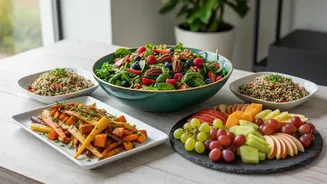
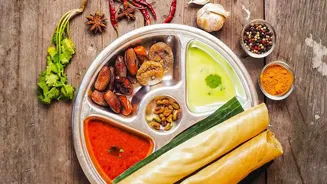
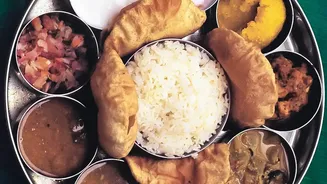
The traditional thali, a platter that offers a complete meal, remains a centrepiece of Navratri dining. However, its presentation is undergoing a stylish makeover. Instead of large bowls, the trend is to use an assortment of smaller, mismatched katoris to serve different preparations like arbi curry, pumpkin sabzi, and raita. This not only makes the thali look more vibrant and artisanal but also encourages portion control. Plating is becoming more deliberate, with puris neatly stacked, salads artfully arranged, and a central space reserved for a beautifully decorated diya or a flower. It's a simple change that elevates the entire meal, making it feel like a special occasion every day of the festival.
Gourmet Desserts with a Twist
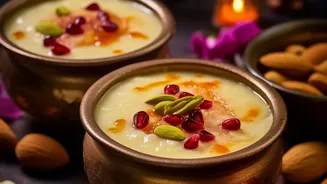
Festive meals are incomplete without dessert, and Navratri sweets are getting a gourmet upgrade. Traditional kheers made with sabudana or makhana are being infused with new flavours like rose or saffron. Chefs are also experimenting with modern dessert formats using fasting-friendly ingredients. You might find a creamy lauki (bottle gourd) mousse, a jaggery phirni topped with a crunchy makhana praline, or even a sabudana waffle served with fruit compote. These desserts prove that vrat-friendly sweets can be both innovative and incredibly delicious, providing a perfect, sophisticated end to a festive meal.