





A Perfect Confluence of Factors
This year, North India's hills are experiencing a significant tourism boom, driven by a confluence of favourable conditions. As scorching heat hit the northern plains earlier in the season, tourists flocked to popular destinations like Shimla, Manali,
and Mussoorie for relief. Hotels have been reporting high occupancy rates, with some reaching 70-80 percent. Recent rainfall in Shimla has further enhanced its appeal, offering cooler temperatures and cleaner air, a welcome respite for visitors from cities like Delhi. This surge is not just a fleeting moment; hospitality chains have reported a massive year-on-year increase in bookings for mountain properties this June. For instance, Zostel noted a 76% surge in Shimla and a near 95% growth in destinations like Srinagar and Tirthan Valley compared to last year.
Beyond the Beaten Path
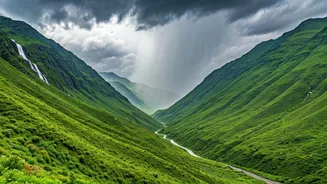
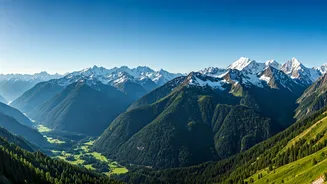
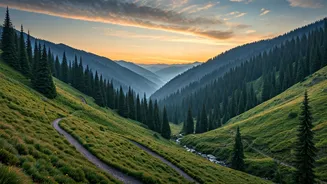
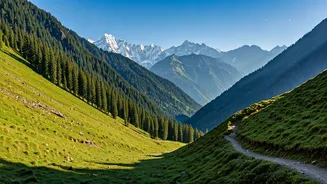
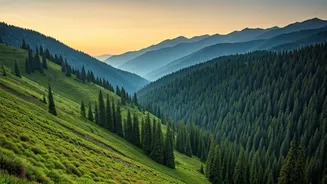
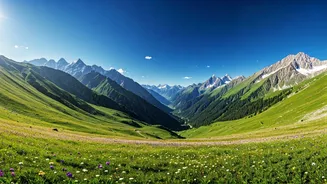
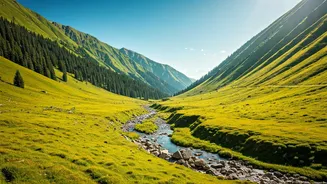
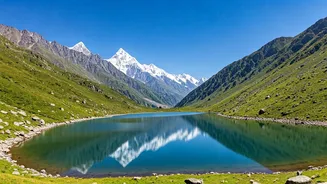
While classic destinations remain popular, a key trend defining this season is the growing interest in offbeat locations. Travellers are increasingly looking to escape crowded hotspots and discover the pristine beauty of lesser-known areas. This shift is reshaping the tourism landscape in states like Himachal Pradesh and Uttarakhand. Destinations such as Tirthan Valley, Chopta (dubbed the 'mini Switzerland' of Uttarakhand), Spiti Valley, and Kalpa are gaining traction. This dispersal of tourists helps relieve the pressure on overburdened towns like Shimla and Manali, which have faced challenges with traffic congestion. State governments are actively promoting these new circuits, focusing on sustainable and eco-friendly practices to preserve their natural charm.
Infrastructure and a New Kind of Traveller
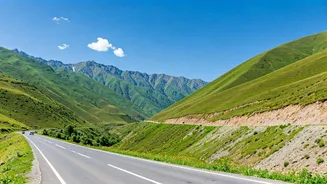
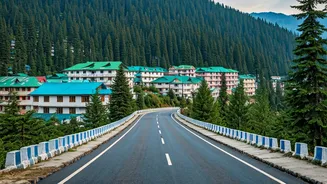
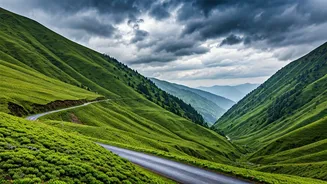
Improved infrastructure is playing a crucial role in this year's success. Better road connectivity is making it easier to access both popular and remote hill destinations. This, combined with government initiatives to boost tourism, such as developing new trekking trails and Buddhist circuits, is opening up the Himalayas like never before. The profile of the traveller is also evolving. There's a noticeable rise in spontaneous trips, with nearly half of all bookings being made within three days of departure. Furthermore, tourists are no longer just from major metros; demand from tier-II and tier-III cities is growing rapidly. This new wave of visitors is often seeking more authentic, experience-led travel, from adventure sports to wellness retreats and meaningful engagement with local culture.
What This Means for Your Travel Plans
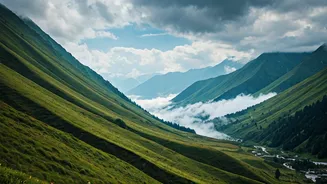
For those planning a mountain getaway, this season offers more choices than ever. The rise of offbeat destinations means you can find tranquility away from the crowds if you wish. However, the overall boom means that planning is still wise. Even with the trend towards spontaneous travel, booking accommodation in advance, especially in popular areas, is recommended. The current weather, with the southwest monsoon advancing, promises pleasant temperatures and relief from the intense summer heat, although it also brings the possibility of rain. Whether you're drawn to the bustling Mall Road in Shimla or the quiet serenity of a homestay in Tirthan Valley, the hills are vibrant and welcoming. This season feels less like a temporary rush and more like the beginning of a new, more sustainable and diverse era for tourism in the region.