


Why Winter Train Schedules Are Unpredictable
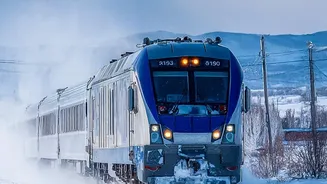
Before you book your ticket, it is essential to understand why Indian Railways timetables, particularly in the northern states, can be unreliable in winter. The primary culprit is dense fog, which severely reduces visibility for locomotive pilots. For
safety, trains are forced to run at much lower speeds, leading to significant delays. These delays can have a cascading effect across the network, causing rescheduling and sometimes outright cancellations that can last for days. Beyond fog, some high-altitude routes may also be affected by snowfall or urgent track maintenance. Always check the live status of your train on official portals like the National Train Enquiry System (NTES) or third-party apps, even on the day of your journey.
The Classic Ride: Kalka to Shimla
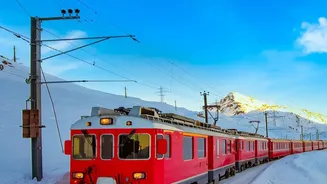
The Kalka-Shimla Railway, a UNESCO World Heritage site, is perhaps the most famous mountain railway in India. This narrow-gauge 'toy train' snakes its way through more than 100 tunnels and over 800 bridges on its journey to Shimla, the 'Queen of Hills'. In winter, the pine forests and hills are often dusted with snow, creating a picture-postcard setting. Several services like the Shivalik Deluxe Express and the Himalayan Queen operate on this line. However, this route is also susceptible to disruption. For instance, recent reports from November 2026 indicate that a significant portion of the line from Kalka was suspended for repairs until the end of December 2026, with only a partial service running from an intermediate station. This highlights the absolute necessity of checking the very latest operational status before making plans.
The Tea Garden Route: Darjeeling's Toy Train
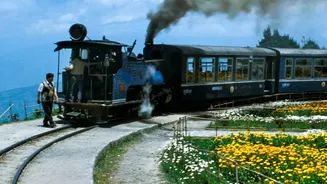
Another UNESCO-listed marvel, the Darjeeling Himalayan Railway (DHR), offers a charming journey from the plains of New Jalpaiguri up to the famous hill station of Darjeeling. While the full journey is long, most visitors opt for the shorter 'Joyride' from Darjeeling to Ghum and back. This trip offers spectacular views of the world's third-highest mountain, Kanchenjunga, rising above misty tea gardens. Winter services often include special festive schedules, but like other mountain railways, timetables can change. It's always best to confirm timings locally or on the IRCTC website, as schedules are frequently adjusted based on season and demand.
The Kashmir Experience: Banihal to Baramulla
For a truly dramatic snowscape, the train journey through the Kashmir Valley is unparalleled. The route from Banihal to Baramulla, part of the larger Udhampur-Srinagar-Baramulla Rail Link (USBRL), takes you through a veritable winter wonderland. Passengers are treated to views of snow-covered fields, traditional villages, and the Pir Panjal mountains. This modern engineering marvel, which includes India's longest transport tunnel, offers a unique perspective on the region's stark beauty. While it is a breathtaking experience, services in the valley are subject to changes based on weather and local conditions, making it vital for travellers to seek the latest information before heading to the station.
Your Essential Pre-Trip Checklist
To ensure your winter train adventure is magical for all the right reasons, a little preparation goes a long way. First, book your tickets well in advance, as these routes are extremely popular, especially during holiday seasons. Second, use the NTES website, IRCTC app, or other reliable train tracking services to monitor your train's status daily in the week leading up to your trip, and again just before you leave for the station. Third, pack layers of warm clothing; even if your journey starts in a warmer city, temperatures drop significantly at higher altitudes. Finally, if your itinerary is tight, consider having a backup plan, such as a taxi, particularly for routes like Kalka-Shimla where road travel is a viable, albeit different, experience.