



Why Are Car Prices Rising Again?
The upcoming price hikes are not happening in a vacuum. Automakers have consistently pointed to a combination of factors that are forcing their hand. The primary reasons include rising input and commodity costs, such as steel, aluminium, and plastics.
Sustained inflationary pressures on overall manufacturing and higher operational expenses are also major contributors. Additionally, some companies have cited geopolitical and macroeconomic uncertainties that affect supply chains and currency values. For electric vehicles, the rising cost of batteries has been a significant factor. This isn't the first time prices have gone up in 2026; for many manufacturers, this is the second or even third increase this year, reflecting persistent cost pressures across the industry.
Tata Motors: Up to Rs 25,000 More
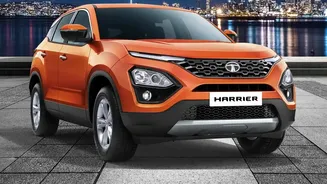
Tata Motors has announced a price increase of up to Rs 25,000 across its entire passenger vehicle lineup, affecting both internal combustion engine (ICE) and electric vehicle (EV) models from September 1. The company stated that while it has been absorbing a significant portion of the rising costs, it has become necessary to pass on some of the impact to customers. The exact hike will vary depending on the specific model and variant, but it applies to their full range, which includes popular cars like the Tiago, Punch, Nexon, and Harrier, as well as their EV counterparts. This is Tata's third price adjustment in 2026, following earlier hikes in April and July.
Hyundai: A Hike of Up to 1 Percent
Hyundai Motor India is also revising its prices upwards from September 1. The company announced a hike of up to 1 percent across its entire portfolio. This will be Hyundai’s third price increase in 2026, following revisions in January and June. The hike will affect all models, including the Grand i10 Nios, Creta, Venue, Verna, and Exter. While a 1 percent hike might seem small, on more expensive models and top-end variants, it can translate to a noticeable increase. The company has attributed the decision to a combination of rising input costs, higher operational expenses, and ongoing global economic uncertainties.
What About Other Major Brands?
While Tata and Hyundai have confirmed September hikes, they aren't the only ones adjusting prices. Maruti Suzuki, India's largest carmaker, already increased prices across its Arena and Nexa models in August 2026 by up to Rs 30,000. The reasons cited were similar: sustained cost pressures. The popular Baleno saw one of the highest increases ahead of a planned facelift. Similarly, Mahindra & Mahindra raised prices on its SUVs and commercial vehicles in July 2026 by an average of 2.7%, which was its second hike of the year. These repeated increases from market leaders indicate a broader industry trend of passing on escalating costs to consumers.
Your Strategy: Should You Buy Now?
With confirmed price hikes just around the corner, the big question is whether you should rush your purchase. If you have already decided on a specific Tata or Hyundai model and have your finances in order, buying before the end of August could save you a significant amount. A hike of up to Rs 25,000 is not negligible, especially on more affordable cars where it represents a larger percentage of the cost. However, don't let the impending hike pressure you into a hasty decision. It's crucial to weigh the immediate savings against potential festive season discounts that often appear from September onwards. These festive offers could partially or fully offset the price increase. Carefully evaluate whether waiting for a better deal on a different variant or model might be a smarter move than rushing to beat the September 1 deadline.