




Beyond the Laptop on the Beach
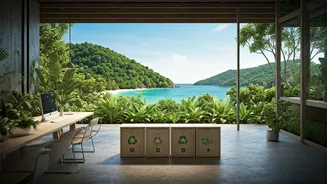
For years, Bali has been a magnet for remote workers. The allure of its vibrant culture, low cost of living, and stunning landscapes made it the unofficial capital of the digital nomad world. The cliché was simple: a laptop, a smoothie bowl, and an ocean
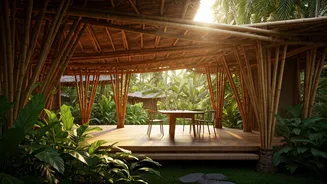
view. But as the remote work movement matures, so do the desires of its participants. Many are now seeking more than just a picturesque backdrop for their Zoom calls; they’re searching for purpose, connection, and a lifestyle that feels more integrated and intentional. This has sparked a migration away from the solitary cafe setup and towards a new phenomenon: purpose-built community hubs, many of which are architectural marvels crafted from bamboo.
The Bamboo Revolution's Roots
This trend didn't appear in a vacuum. Its foundations were laid over a decade ago with the establishment of the Green School near Ubud. Founded by John and Cynthia Hardy, this radical experiment in education was built almost entirely from sustainably sourced bamboo. The school's success proved that bamboo, a grass that can grow metres in a matter of weeks, was not just a viable building material but a beautiful and inspiring one. Their daughter, Elora Hardy, took this vision further with her design firm, Ibuku. Her team has since designed breathtaking bamboo villas, yoga shalas, and community spaces that curve and flow with the natural environment. These structures are not just buildings; they are statements about living in harmony with nature, and they have become the physical and philosophical heart of this new nomad movement.
What is a Community Hub?
So, what does life inside one of these hubs actually look like? It’s far more than just a co-working space. These are integrated eco-systems designed to combat the loneliness that often accompanies the nomadic lifestyle. Imagine starting your day with a group yoga session in an open-air bamboo pavilion, followed by a few hours of deep work at a dedicated desk with high-speed internet. Lunch might be a communal meal prepared with ingredients from a local organic farm. The afternoon could involve a workshop on breathwork, coding, or Balinese craft-making. These hubs, such as Outpost in Ubud and Canggu, explicitly foster connection through curated events, skill-sharing sessions, and shared living spaces. The goal is to build a professional and social network that functions like a modern-day village, where collaboration and well-being are as important as productivity.
An Ecosystem of Purpose
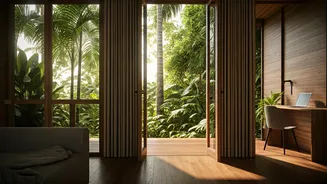
The people drawn to these communities are as diverse as the jungle itself. You'll find software developers from Silicon Valley working alongside German graphic designers, Australian wellness coaches, and Indian entrepreneurs launching their next startup. What unites them is a shared desire for a work-life blend that prioritises more than just profit. They are drawn to the sustainability ethos, the focus on personal growth, and the opportunity to be part of a supportive network of like-minded individuals. The architecture itself plays a crucial psychological role. Working inside a structure made of natural, organic materials, with natural light and air-flow, is a world away from the sterile, air-conditioned corporate boxes many are escaping from. It fosters creativity and a sense of calm that can be difficult to find in a traditional office.
The Realities of Paradise
Of course, this life isn't without its challenges. The cost of living in these curated hubs is significantly higher than renting a simple room and working from cafes. Navigating Indonesia's visa regulations is a perennial concern for long-term stays, though new digital nomad visas are in the works. Furthermore, there's the risk of living in a 'bubble,' an expatriate-heavy environment that can feel disconnected from the local Balinese culture that makes the island so special. The most successful nomads are those who make a conscious effort to engage with the local community, learn the language, and understand that they are guests in a culture rich with its own traditions. But for many, the trade-offs are well worth it for a life that feels more aligned with their values.