


The Quest for Lasting Energy
For generations, many traditional Indian breakfasts have been rich in carbohydrates. While delicious and comforting, meals like poha or idli can sometimes lead to a rapid spike in blood sugar, followed by a slump that has you reaching for a snack by 11
a.m.. The modern pivot towards protein is driven by a desire for sustained energy. Protein slows down digestion, which helps sugar enter the bloodstream more steadily.. This simple switch prevents the dramatic energy peaks and valleys, keeping you feeling full and focused until lunchtime. Studies show that a high-protein breakfast helps control appetite and reduces cravings later in the day, making it a powerful tool for managing both energy and weight.
Beyond the Gym: Protein for Everyone
Once seen as the exclusive domain of bodybuilders and athletes, protein is now recognized for its universal benefits. Health awareness is growing, and with it, the understanding that protein is crucial for everything from repairing tissues to supporting a healthy metabolism.. This shift in mindset has propelled protein from post-workout shakes into everyday meals. The trend is no longer confined to urban fitness enthusiasts; it's a nationwide movement. Data shows that demand for protein-rich foods is surging in tier-2 and smaller cities even faster than in metros, indicating a widespread move towards more intentional eating habits.
The Indian Breakfast Plate, Reimagined
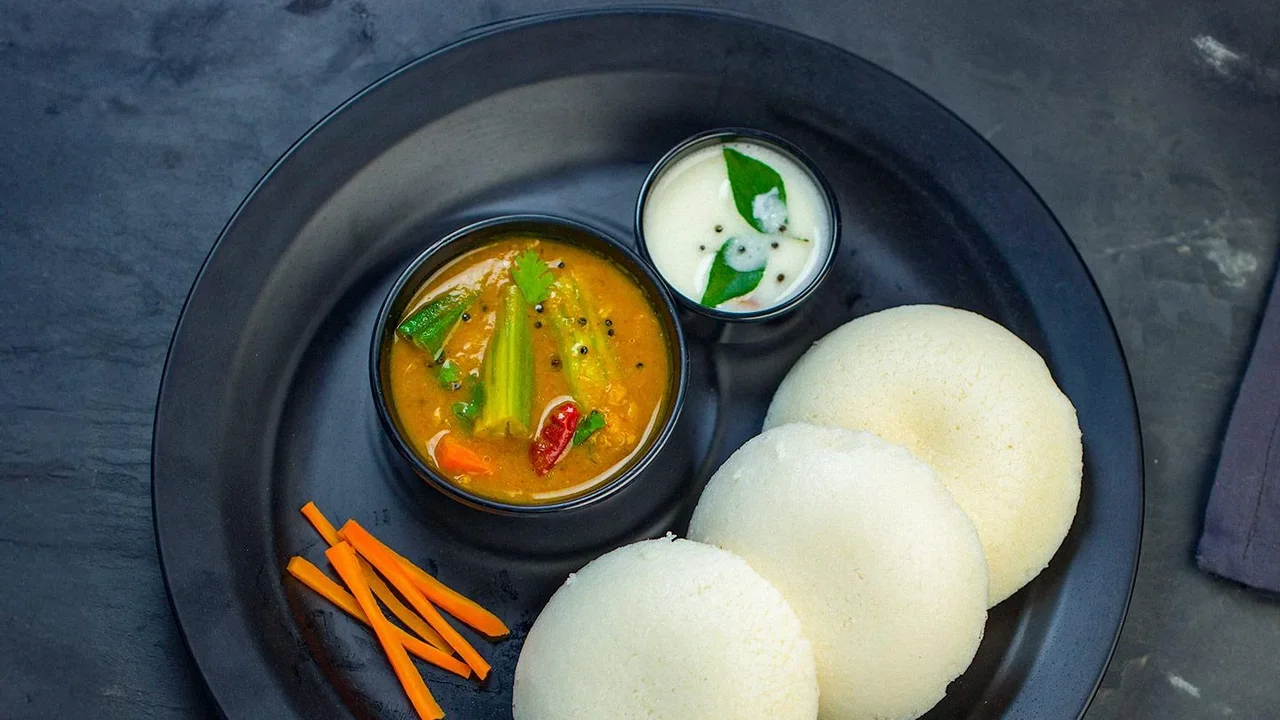
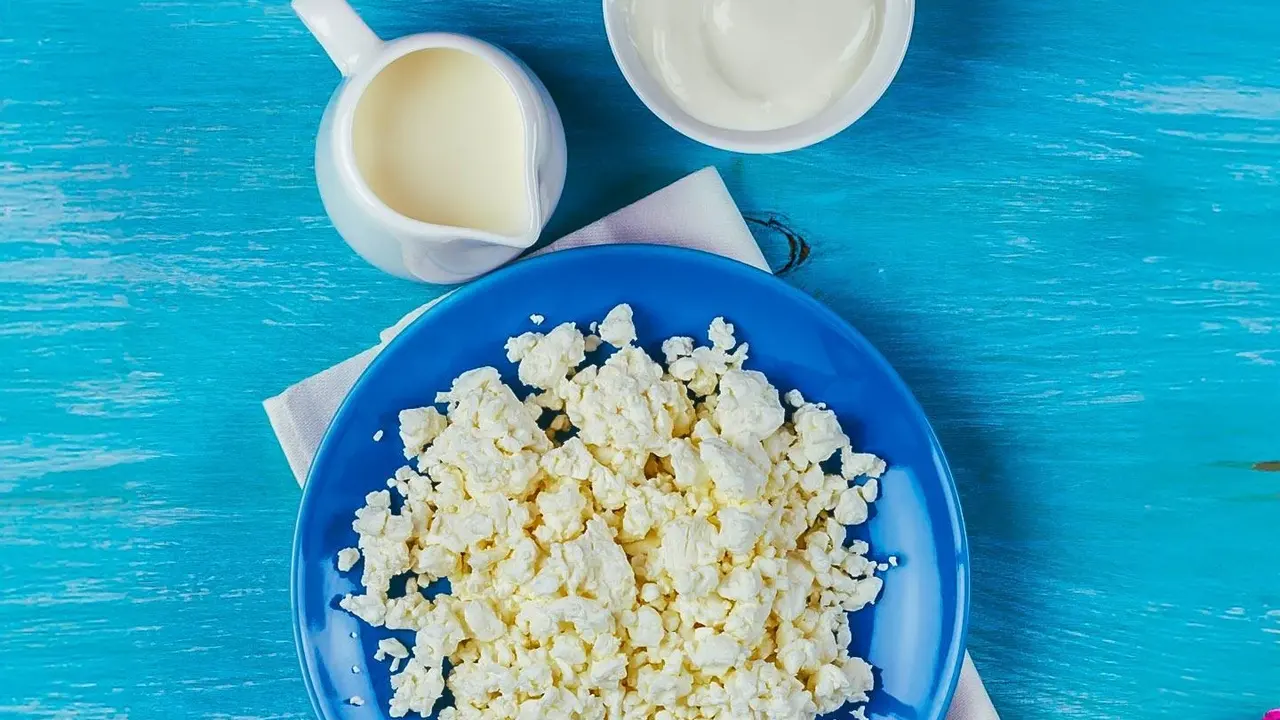
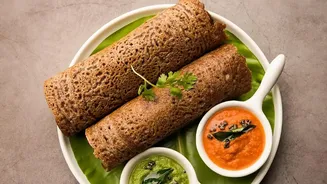
The beauty of this makeover is that it doesn’t require abandoning tradition. Instead, it’s about smart swaps and additions. The humble besan (gram flour) is getting its due, with besan chilla becoming a go-to for a quick, protein-dense meal.. Paneer, once reserved for lunch or dinner, is now a breakfast hero in the form of paneer bhurji, a scramble that delivers nearly 20 grams of protein per serving.. Other popular choices include moong dal chilla, egg dishes, and sprout salads.. Even classic dishes are getting an upgrade: aloo parathas are being replaced with paneer or sattu-stuffed versions, and white rice idlis are swapped for those made with moong dal and oats.. These adaptations prove that an Indian breakfast can be both traditional and packed with high-quality protein.
The Market Responds to the Craze
India’s food industry has taken notice. The market for protein-based products is booming, expected to grow from around ₹38,247 crore in 2024 to over ₹1.36 lakh crore by 2033.. Supermarket aisles and quick-commerce apps are now filled with options, from protein-fortified dosa batter and oats to Greek yogurt and protein biscuits.. One leading platform reported a staggering 150% increase in protein-related orders over the past two years.. This explosion in convenient, protein-enriched products makes it easier than ever for busy individuals and families to start their day on a healthier note, moving protein from a niche nutritional supplement to a mainstream kitchen staple.