






A City-Wide Food Safety Crackdown
Health officials from Karnataka's Food Safety and Drug Administration (FSDA) have intensified their scrutiny of Bengaluru's eateries, from high-end hotels and prominent clubs to local restaurants and even government canteens. This enforcement drive, which
has seen dozens of establishments inspected in recent weeks, is not a one-off campaign but a sustained effort to improve public health standards. Prompted by an increase in consumer complaints, these inspections have uncovered a troubling pattern of violations that extend across the city’s diverse culinary landscape, proving that a premium price or a fancy ambience doesn't always guarantee a safe meal.
The Most Common Violations
Inspectors have consistently found several critical lapses. Topping the list is the use of expired or rotten ingredients. Officials have seized hundreds of kilograms of improperly stored meat and fish, mouldy vegetables, and expired dairy and bakery products. Another major issue is cross-contamination, where vegetarian and non-vegetarian foods are stored together without proper separation, a practice that heightens health risks. Widespread pest infestations, including cockroaches in kitchens and storage areas, have also been documented at numerous locations, leading to immediate notices and, in some cases, the closure of kitchens. Furthermore, many establishments were found to be using non-compliant cooking oil and had staff who were not following basic personal hygiene protocols.
What the Rulebook Says
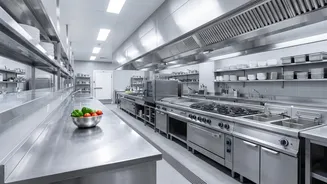
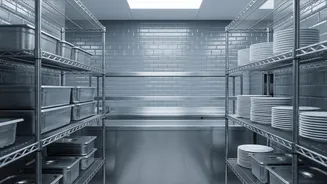
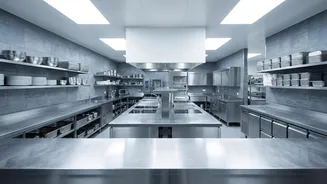
The inspections are enforcing guidelines set by the Food Safety and Standards Authority of India (FSSAI). These rules are clear and detailed. Hot food must be held above 60°C and cold food below 5°C to prevent bacterial growth. Raw meat must be stored on the lowest shelves in a refrigerator, below ready-to-eat foods, to prevent drips and cross-contamination. All food items must be kept in clean, covered containers and stored at least 15 cm off the floor. FSSAI also mandates that kitchen staff wear clean aprons, gloves, and head coverings, and that food handlers receive medical certification every six months. The structural integrity of a kitchen—from smooth, washable walls to properly functioning drainage and exhaust systems—is also under the scanner.
Beyond Restaurants: A Wider Net
The crackdown has expanded beyond traditional restaurants. Authorities have also inspected the warehouses of quick-commerce companies, uncovering issues with unhygienic food handling and improper labelling. This reflects a growing understanding that food safety is a chain of responsibility, starting from procurement and storage long before the food reaches a restaurant's kitchen. Even canteens within government health department complexes and private hospitals have been found with expired ingredients and poor hygiene, highlighting the pervasive nature of the problem.
What Diners Can Do
While you can't inspect the kitchen yourself, there are red flags you can watch for. According to a recent survey of Bengaluru diners, the most commonly spotted issues are staff handling food unhygienically, and dirty dining areas or washrooms. Pay attention to the overall cleanliness of the establishment. If washrooms are poorly maintained, it could be an indicator of a wider disregard for hygiene. The FSSAI mandates that every licensed food business must display its registration or license prominently. While this doesn't guarantee compliance, its absence is a warning sign. Ultimately, being an informed and observant customer contributes to a culture of accountability.