





The Daily Commute Isn't Just a Water Problem
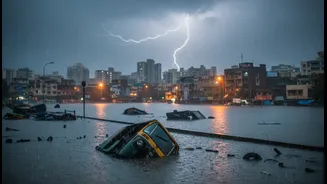
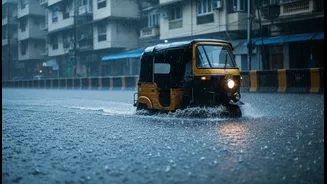
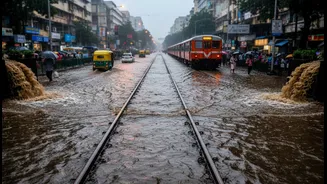
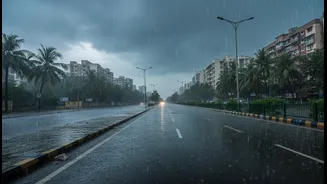
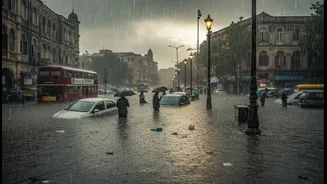
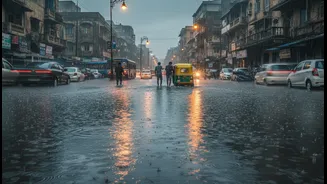
For the daily commuter, the sight of a waterlogged street is synonymous with a cancelled train, a gridlocked bus route, and hours of uncertainty. Recent days have seen severe disruptions on the Western Railway, with services curtailed and thousands stranded
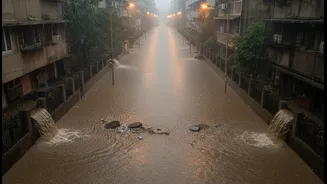
in areas like Virar and Nalasopara. The instinct is to blame the water. But the two are not the same. Waterlogging is an infrastructure failure of drainage. Commute disruption, however, is a failure of transit management and resilience. Why are there no dynamic, pre-planned alternate bus routes? Where are the real-time information systems that can reroute human traffic as effectively as Google Maps reroutes cars? By seeing commute disruption as a separate challenge, we can demand specific solutions: better communication from railways, coordinated emergency transport, and flexible work advisories from employers. The problem isn't just that the tracks are flooded; it's that the entire system lacks a Plan B for when they inevitably are.
For Renters: A Flooded Street vs. A Flooded Home
Renters and homeowners face a different, more intimate version of this issue. It is one thing to navigate a waterlogged neighbourhood; it is another to deal with seepage, flooded basements, and failing lifts in a high-end apartment you pay a premium for. The monsoon has become the ultimate, brutal quality check for properties, exposing issues that brochures hide. Separating the external problem (neighbourhood flooding) from the internal one (building integrity) is crucial. Renters must start asking pointed questions not just about the area's flood history, but about the building's specific defences: its pump capacity, basement waterproofing, and maintenance record during heavy rains. Even as the BMC and state government roll out massive flood-control plans, the onus of a dry and safe home falls on building standards and maintenance. A renter's power lies in making this distinction and demanding accountability from landlords and developers for the building itself, regardless of the state of the road outside.
For Planners: Two Problems, Two Toolkits
This is where the distinction becomes most powerful. For urban planners and civic bodies like the BMC, conflating waterlogging and commute disruption leads to monolithic, slow, and incredibly expensive solutions. The city is currently planning a massive ₹13,000-crore flood mitigation project, incorporating 'sponge city' concepts, new pumping stations, and upgraded storm-water drains. This is vital for tackling waterlogging—a long-term, capital-intensive engineering challenge. However, this will not solve tomorrow's commute crisis. The tools to manage commute disruption are different: they are agile, tech-driven, and logistical. They include AI-enabled flood forecasting, dynamic traffic management, integrated public transport information, and sensor-based drainage monitoring. By treating them as separate missions, planners can pursue a dual strategy: the slow, heavy work of re-engineering the city to handle water, and the fast, smart work of managing how people move through the city when that engineering fails.
Shared Responsibility, Targeted Solutions
Recently, the Bombay High Court noted that Mumbai's waterlogging is 'our own creation', highlighting the role of clogged drains and encroachments by citizens. This speaks to a culture of blurred lines and diffused responsibility. Blaming 'the system' is easy when the system itself is seen as a single, failing entity. However, if we accept that water management and traffic management are distinct disciplines, we can begin to assign responsibility—and demand solutions—with more precision. The BMC's job is to ensure drains are clear and pumping stations work. The railways' and traffic police's job is to keep people moving safely, even when it rains. The builder's job is to deliver a waterproof home. Acknowledging these separate roles is the first step toward actual accountability.