
The Grand Welcome at Your Doorstep
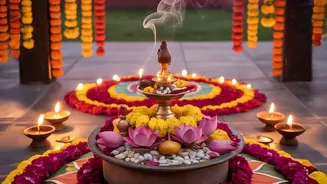
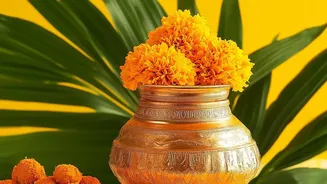
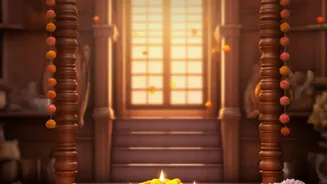
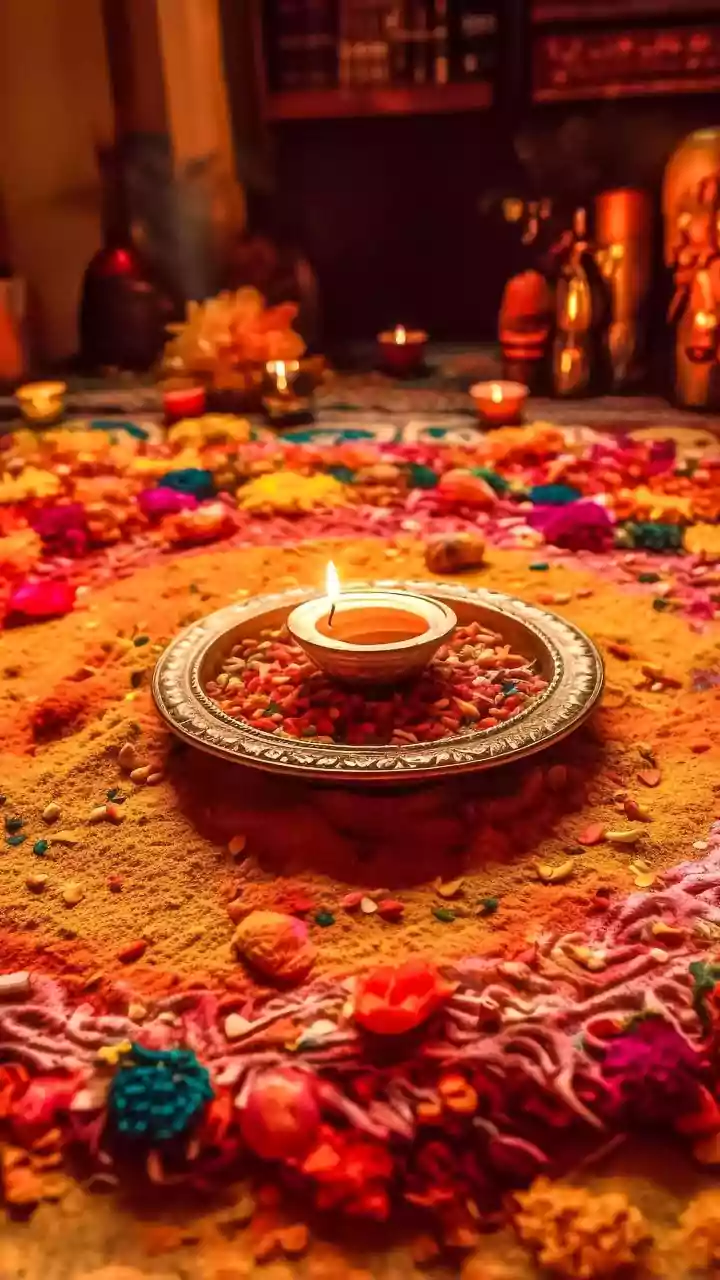
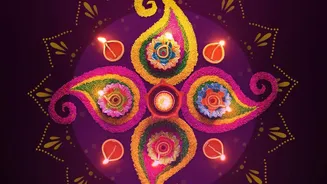
The entrance to your home sets the tone for the entire festive atmosphere. A traditional 'toran' made of fresh marigold flowers and mango leaves is a classic and auspicious way to greet guests. You can also create a stunning rangoli on the floor, using
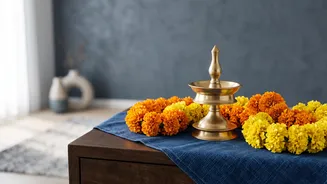
either coloured powders or flower petals to craft intricate patterns that symbolise prosperity. For an added touch of elegance, place a brass 'urli' bowl filled with water, floating flowers, and a few tea-light candles near the doorway. This combination of flowers, light, and traditional art creates an instantly warm and inviting welcome for everyone who visits.
A Sacred and Serene Puja Corner
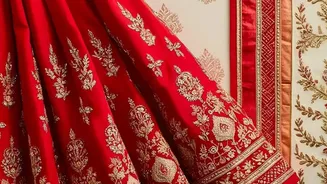
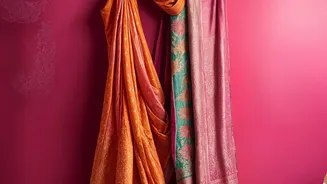
The puja area becomes the spiritual heart of the home during Navratri. You don't need a large space to create a divine corner. Start by placing the idol or image of Goddess Durga on a clean 'chowki' or small table. Decorate the backdrop with colourful drapes, perhaps using old sarees or dupattas in festive shades. Surround the idol with fresh flowers, traditional brass or clay 'diyas', and bells. A simple arrangement can be incredibly powerful; the goal is to create a peaceful, uncluttered space that radiates positive energy and devotion.
Embracing the Nine Colours of Navratri
One of the most unique traditions of Sharad Navratri is associating a specific colour with each of the nine days. For 2026, the sequence begins with orange, followed by white, red, royal blue, yellow, green, grey, purple, and peacock green. You can incorporate these colours into your decor daily. Simple changes like swapping out cushion covers, bedsheets, or table runners can refresh your home's look each day. For example, use orange marigolds on the first day, wear a white outfit on the second, and add red accents to your living room on the third, creating a dynamic and evolving festive environment.
The Warm Glow of Festive Lighting
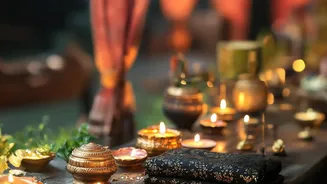
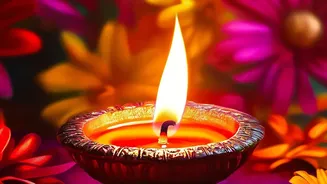
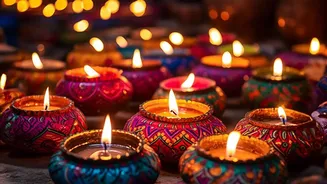
Lighting is crucial for creating that magical festive feel, especially in the evenings. While traditional clay 'diyas' are a must-have for their earthy charm, you can also layer different types of light. Use warm-toned LED fairy lights and string them around windows, balconies, or behind the mandir for a soft, ambient glow. Decorative paper lanterns or 'kandils' can be hung in corners or on balconies to add a pop of colour and traditional flair. Grouping a few lamps or candles together on a side table or near your rangoli creates a beautiful focal point.
The Storytelling Art of Golu Displays
In many South Indian homes, Navratri is celebrated with a 'Golu' or 'Kolu' display, an arrangement of dolls on tiered steps. These displays are not just decorative; they are a form of storytelling, with dolls depicting scenes from mythology, village life, and festive celebrations. The steps are typically arranged in odd numbers like 3, 5, or 7. The top tiers are reserved for deities, while lower steps might show saints, community helpers, or scenes from daily life. Creating a Golu is a wonderful way to involve the whole family and pass down cultural stories to the next generation.
Mindful and Eco-Friendly Celebrations
Celebrating Navratri can also be an opportunity to be kind to the environment. Instead of single-use plastic decorations, opt for reusable materials like fabric buntings, old dupattas, or decorations made from jute and wood. Use natural materials for your decor, such as fresh flowers, mango leaves, and clay diyas. When making rangoli, consider using rice flour and natural colours from turmeric or flowers. You can even find or make idols from natural clay that dissolves easily, reducing water pollution. These small, conscious choices can make your festive celebrations both beautiful and sustainable.