
The New Urban Equation
The dream of a sprawling bungalow is giving way to the reality of a well-located but smaller urban apartment. Rapid urbanisation means cities like Mumbai, Delhi, and Bengaluru are expanding, but individual home sizes are often shrinking. Yet, aspirations
are not. Today’s homeowners, especially young professionals, want the best of both worlds: a prime address and a high-quality lifestyle. This is the driving force behind the rise of compact luxury. It’s a response to a practical need, recognising that with rising property prices, the ultimate luxury is not boundless space, but beautifully optimised space. The focus has shifted from impressing guests with sheer size to creating a personal sanctuary that is efficient, comfortable, and elegant.
The Art of Multifunctionality
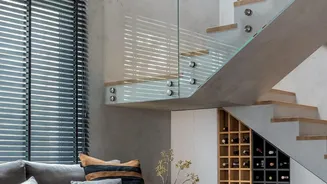
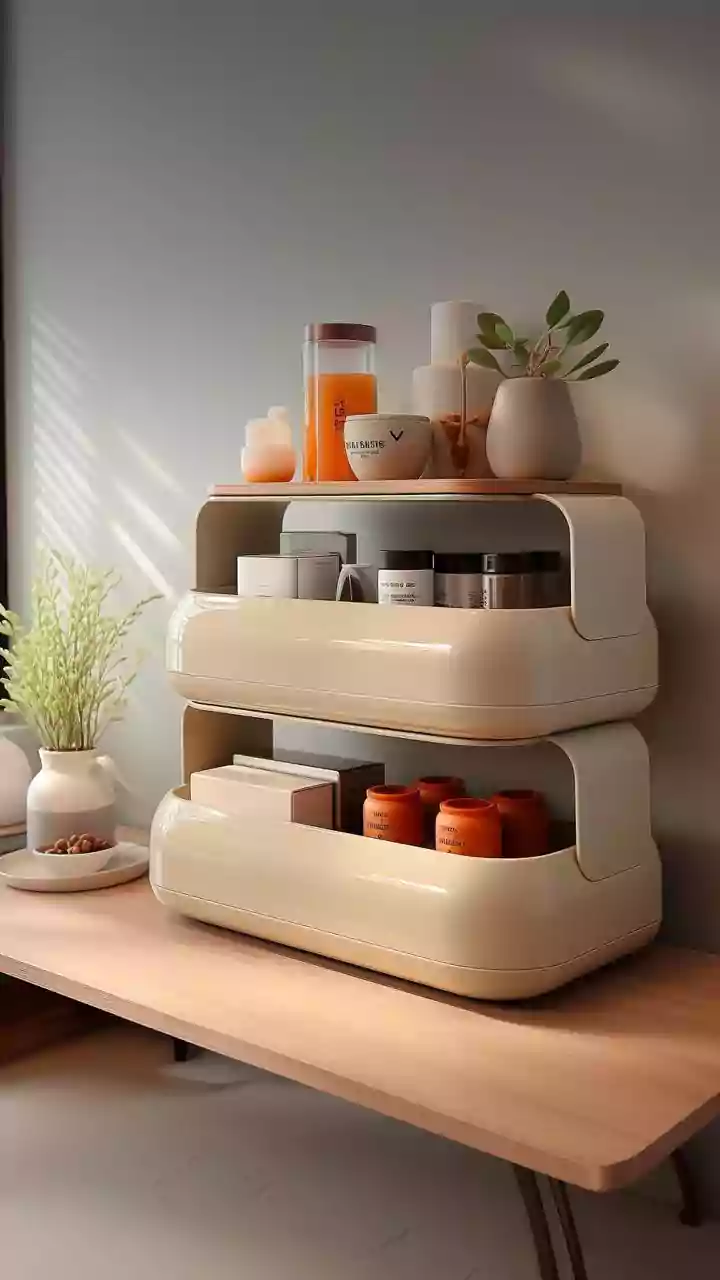
The core principle of making a space 'work harder' lies in multifunctionality. This means every piece of furniture and every corner of the home must serve a purpose, and often more than one. Think of a sofa that seamlessly transforms into a guest bed at night, a coffee table with hidden storage for magazines and remotes, or a wall-mounted desk that folds away after work hours. In Indian homes, where storage is always a key consideration, this is a game-changer. Beds with hydraulic lifts reveal massive storage compartments underneath, perfect for stowing away seasonal bedding and luggage. Modular units that combine a wardrobe, a TV console, and a display shelf into one sleek piece are replacing multiple, clutter-inducing items. This isn't just about saving space; it's about creating a fluid, uncluttered environment where the home adapts to your needs throughout the day.
Small Space, Big Impact
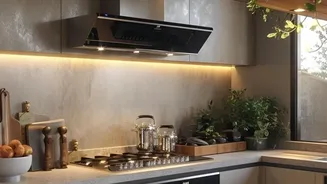
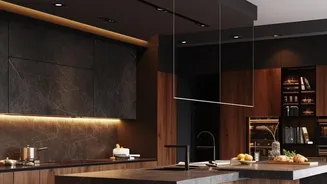
The 'luxury' in compact luxury comes from a deliberate focus on quality over quantity. When you have less space, the details matter more. Instead of filling a room with many objects, the emphasis is on a few, well-chosen elements that feel premium. This is where materials and finishes take centre stage. Homeowners are opting for the tactile richness of solid wood, the cool elegance of marble or Kota stone, and the subtle sheen of brushed metal fixtures. Finishes like walnut and mahogany add warmth and sophistication, creating a sense of understated elegance. Technology also plays a role in modern luxury, with smart home features like automated lighting and integrated appliances enhancing convenience without adding physical clutter. The goal is to create a space that feels expensive and considered, not because it’s big, but because it’s thoughtfully curated.
Creating the Illusion of Space
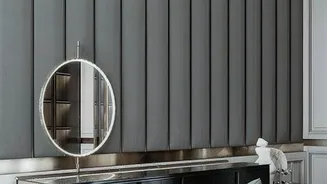
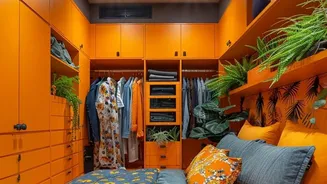
Beyond clever furniture, interior design techniques are crucial for making compact homes feel larger. Maximising natural light is one of the most effective strategies; using sheer curtains instead of heavy drapes and keeping windows unobstructed can make a room feel airy and open. A light and neutral colour palette on the walls—think soft whites, beiges, and muted greys—reflects light and visually expands a space. Strategically placed mirrors are another classic trick, as they create an illusion of depth and bounce light around the room. Designers also recommend leveraging vertical space. Floor-to-ceiling wardrobes or bookshelves draw the eye upward, creating a sense of height and providing ample storage without eating into precious floor area. By clearing the floor and using walls intelligently, a small room can feel surprisingly spacious and organised.