



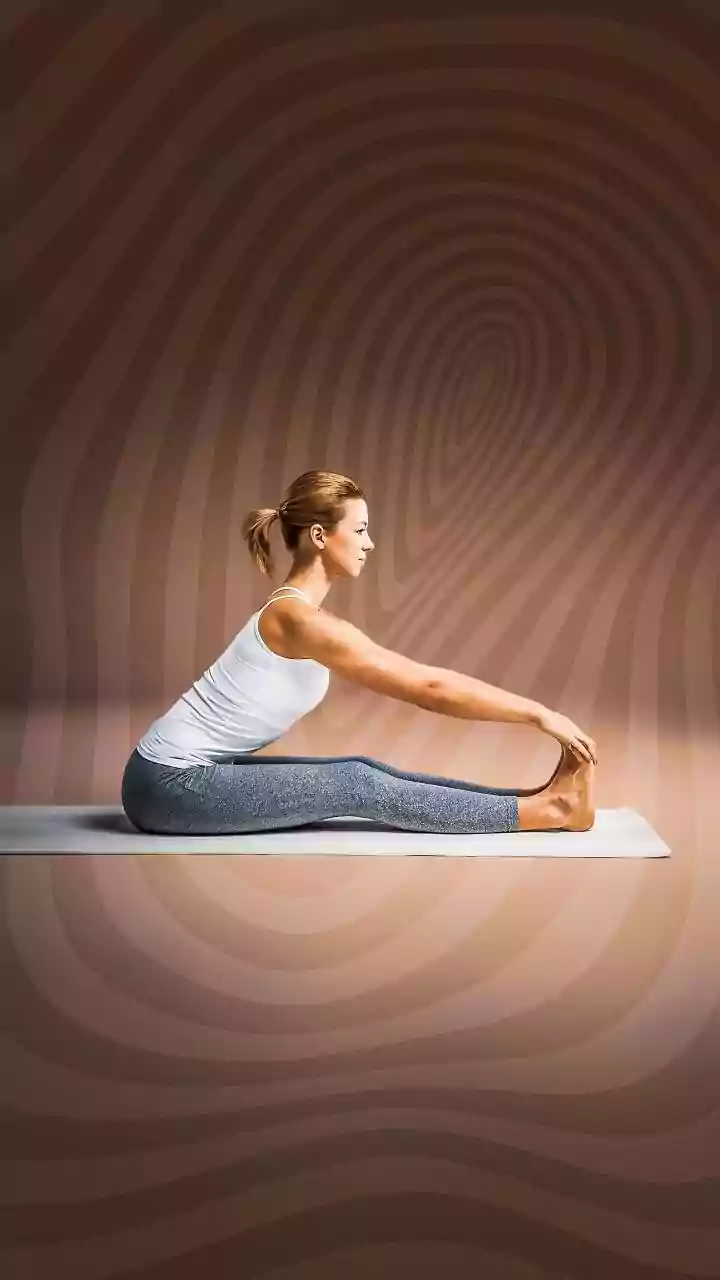



What is the Hidden Lotus Pose?
Gupta Padmasana, known as the Hidden Lotus Pose, is an advanced yoga posture that builds upon the classic Padmasana (Lotus Pose). The term 'Gupta' means 'hidden' or 'preserved' in Sanskrit. The name reflects how the body folds forward over the legs, which
are in the traditional lotus cross-legged position, effectively 'hiding' them. The pose involves sitting in Lotus, then leaning forward to rest the chest and chin on the floor. The arms are typically brought behind the back, with palms together in a reverse prayer position (Anjali Mudra). It's a deep forward bend and hip opener that demands significant flexibility and strength.
The Power of Controlled Movement
This isn't a pose you can force. Achieving Gupta Padmasana relies on a foundation of controlled, mindful movement. The transition from a seated Lotus to a prone position requires core strength to stabilize the body as you lean forward. Control is also crucial for protecting your joints. The knees, ankles, and hips are in a vulnerable, deeply flexed position. Any sudden or jerky movements can lead to strain or injury. The controlled entry and exit from the pose are just as important as holding it, building body awareness and preventing harm. The breath acts as an anchor, guiding the body slowly and deliberately into the forward fold. This intense focus on control and breath makes it a meditative practice, helping to calm the mind.
Benefits for Body and Mind
When practiced correctly, the Hidden Lotus Pose offers a range of benefits. It provides a deep stretch for the hips, knees, ankles, and spine. This can improve overall flexibility and mobility, which is especially beneficial for those with sedentary lifestyles. The forward-bending nature of the pose gently massages the abdominal organs, which can aid in digestion. The chest-opening aspect, from binding the hands behind the back, helps counteract the hunched posture many develop from sitting at desks. Mentally, the posture is believed to encourage introspection and calmness. By withdrawing the senses and focusing inward, it can help reduce stress and anxiety.
A Word of Caution: Risks and Who Should Avoid It
Gupta Padmasana is an advanced pose for a reason and is not suitable for everyone. Individuals with injuries or chronic pain in the knees, ankles, hips, or lower back should avoid this posture completely. The deep flexion can put significant strain on these joints. It is also not recommended for pregnant women due to the pressure on the abdomen. Anyone suffering from sciatica should also steer clear, as the position could aggravate the nerve. Listening to your body is paramount in yoga. If you feel any sharp pain, especially in the knees or hips, it is a clear signal to gently back out of the pose.
Building a Safe Foundation
Inspired to work towards this pose one day? The journey begins with mastering the basics. First and foremost, a comfortable and stable Padmasana (Lotus Pose) is a non-negotiable prerequisite. Work on preparatory poses that increase hip flexibility and open the inner thighs. Poses like Baddha Konasana (Bound Angle Pose), Janu Sirsasana (Head-to-Knee Pose), and Agnistambhasana (Fire Log Pose) are excellent for this. Building flexibility in the hips is key to ensuring the knees and ankles are not forced into the position. Using props like straps and blankets can help you explore these preparatory shapes safely. Remember, consistency and patience are more valuable than pushing your body beyond its current limits.