







Defining the Dreamy Aesthetic
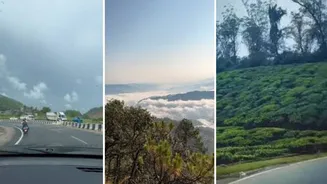
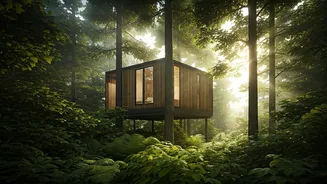
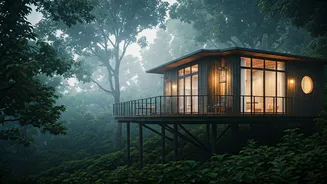
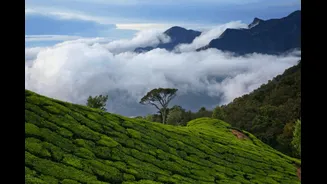
The "Misty Coorg Treehouse Aesthetic" is more a feeling than a fixed style. It’s a visual cocktail of nature and comfort. Picture this: a rustic wooden cabin or a modern villa on stilts, surrounded by the dense green canopy of a coffee plantation. Heavy
monsoon clouds often descend, wrapping everything in a soft, cinematic fog. The interiors complement the outside world, featuring natural materials like wood and stone, large windows to frame the forest views, and often a cosy fireplace for the chilly, damp evenings. It’s a look that feels both adventurous and deeply comforting, a world away from the concrete and glass of city life. This aesthetic is rooted in Coorg's unique identity as a pastoral paradise, often called the 'Scotland of India' for its rolling hills and verdant landscapes.
An Antidote to Urban Burnout
For many young professionals in cities like Bengaluru, Mumbai, and Delhi, life is a high-pressure cycle of deadlines, traffic, and digital overload. The Coorg treehouse experience offers a powerful antidote. It represents a chance to disconnect, slow down, and immerse oneself in nature. The appeal isn't just about a change of scenery; it's about a change of pace. Waking up to birdsong instead of an alarm, swapping polluted air for the fresh scent of rain-soaked earth and coffee blossoms, and spending days on nature trails are powerful draws. This desire for a retreat is part of a larger wellness trend where peace, quiet, and mental health are prioritized. Many resorts in the region explicitly market themselves as havens for rejuvenation, far from the daily grind.
The Rise of Biophilic Design
The love for this aesthetic ties into a major design trend: biophilic design, which is all about integrating nature into our built environments to improve well-being. Young Indians, especially those living in compact urban apartments, are increasingly seeking this connection to the natural world. The Coorg treehouse is the ultimate expression of this concept. It’s not just about adding a few potted plants; it’s about living within nature. This trend emphasizes natural light, organic materials, and a seamless flow between indoor and outdoor spaces—all hallmarks of the treehouse stay. As awareness of mental health and the benefits of nature grows, so does the appeal of homes and holiday spots that feel grounding and restorative.
Made for the Social Media Age
Let’s be honest: the misty Coorg aesthetic is incredibly photogenic. In an age where travel experiences are often shared visually, the unique and romantic setting of a treehouse is premium content. Travel decisions for Gen Z and Millennials are heavily influenced by social media, with many seeking out unique and aesthetically pleasing destinations. A stay in a Coorg treehouse delivers on all fronts: the misty landscapes, the charming architecture, and the cosy interiors create a narrative of adventure, romance, and escape that is perfect for Instagram feeds and travel vlogs. This visual appeal has played a huge role in popularizing not just the destination, but the specific dream of staying elevated amongst the coffee-scented hills.
A Quest for Unique Experiences
Today's young travellers are increasingly moving away from standardized luxury and toward unique, memorable experiences. They prioritize stories over souvenirs. A treehouse in a rainforest offers an experience that a conventional hotel room cannot match. It feels more adventurous, more intimate, and more connected to the local environment. Many of these properties are part of eco-friendly resorts or homestays that emphasize sustainability, organic farming, and responsible tourism. This resonates strongly with Gen Z and Millennial travellers, who are more conscious of their environmental impact and seek authentic cultural immersion over generic tourism. It’s about feeling like you've discovered a hidden gem, a secret slice of paradise rooted in its specific place.