




The All-Important Entry Permit
Lakshadweep is a restricted-entry union territory, meaning all visitors who are not native to the islands require a permit. This measure is in place to protect the fragile ecology and unique culture of the archipelago. The good news for travellers is that
the process has been simplified significantly. As of recent updates in 2026, Indian tourists no longer need a local sponsor from the islands or a Police Clearance Certificate (PCC) to apply for a tourist permit. The security verification is now handled internally by the Lakshadweep Police after you submit your application. However, obtaining the permit before you travel remains mandatory.
How To Apply For Your Permit
The application is handled entirely online through the official ePermit portal. You’ll need to register and fill out the form with your personal details, proposed travel dates, and the specific islands you plan to visit. You must also upload scanned copies of your Aadhaar card and a recent passport-sized photograph. It's crucial to apply at least 14 days before your intended travel date to allow for processing. Once approved, the permit is typically sent to your registered email and is valid for 30 days. It is strongly advised to book flights and accommodation only after your permit has been approved to avoid cancellation fees.
Reaching The Archipelago
There are two primary ways to get to Lakshadweep, both originating from Kochi in Kerala. The fastest method is by air. Air India operates flights six days a week from Cochin International Airport (COK) to Agatti Aerodrome (AGX), the sole airport in the union territory. The flight takes about an hour and a half. The second option is by sea. Seven passenger ships, including MV Kavaratti and MV Arabian Sea, operate between Kochi and the islands. The sea journey takes between 14 to 18 hours, depending on the destination island, offering a more leisurely and scenic route. Many tour packages, like the popular Samudram package, are ship-based cruises.
Choosing Your Island Paradise
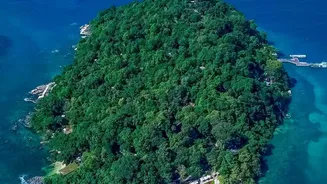
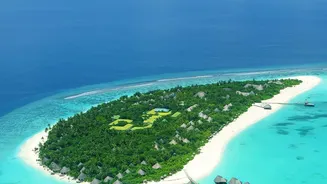
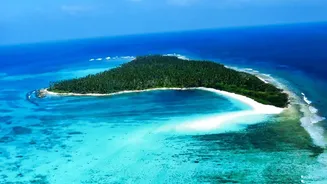
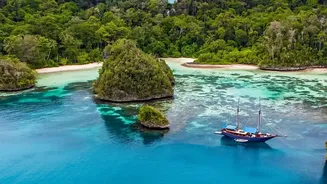
While Lakshadweep comprises 36 islands, tourism is limited to a select few. Agatti is the gateway to the archipelago, as it houses the airport. From here, you can access other stunning islands. Bangaram is an uninhabited island famous for its pristine beaches and tranquil lagoons, often visited as a day trip from Agatti. Kavaratti, the administrative capital, offers more infrastructure and is a hub for water sports. Kadmat is renowned for its large lagoon and is home to a water sports institute, making it a paradise for diving and snorkeling enthusiasts. Other popular islands include Kalpeni and Minicoy, each offering a unique charm.
Island Stays And Tour Packages
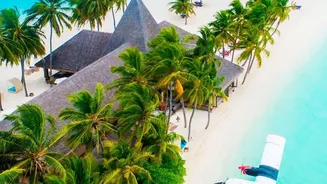
Accommodation in Lakshadweep is largely managed through pre-booked packages, often arranged by the Society for Promotion of Nature Tourism and Sports (SPORTS), the official tourism body. These packages typically bundle accommodation, meals, transport between islands, and some water sports activities. Options range from the ship-based Samudram cruise, which covers multiple islands, to island-specific stays at resorts or cottages in places like Bangaram, Kavaratti, and Kadmat. There are government-run tourist huts and a growing number of private resorts. Booking through an authorized tour operator is often the most straightforward way to ensure all your permits and stay arrangements are handled correctly.
Responsible Tourism in a Fragile Ecosystem
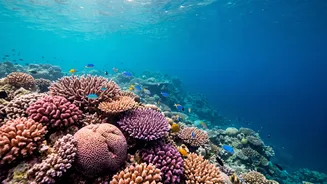
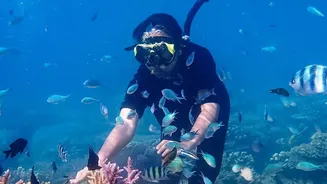
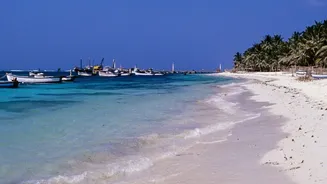
Lakshadweep's main draw is its incredible natural beauty, from the snow-white coral sands to the vibrant marine life. The lagoons offer immense potential for activities like swimming, snorkeling, scuba diving, and kayaking. PADI-certified dive centers are available on islands like Kavaratti. Given the delicate nature of the coral ecosystem, it is vital for visitors to be responsible. This includes not littering, avoiding touching or standing on corals, and not collecting any marine souvenirs. Your permit specifies which islands you can visit, and unauthorised island hopping is not permitted. By adhering to the rules, you help preserve this paradise for future generations.