



Essential Monsoon Balcony Care
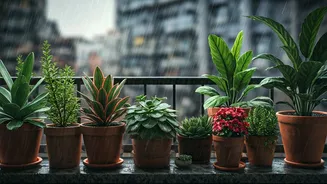
Before we dive into the plants, let's talk about preparation. The key challenge during the monsoon is not a lack of water, but too much of it. The golden rule is to ensure excellent drainage. Make sure every pot has drainage holes at the bottom to let excess
water escape. Elevating your pots on stands or bricks can also significantly reduce the risk of waterlogging and root rot. During heavy rains, you might not need to water your plants at all, but always check the soil's moisture before deciding. Finally, to prevent fungal infections, which are common in high humidity, ensure good air circulation by leaving adequate space between your pots.
Hibiscus: The Classic Tropical Bloom
Known for its large, vibrant flowers, the hibiscus is a quintessential tropical plant that absolutely loves the monsoon. It thrives in the warm, moist climate, producing an abundance of colourful blooms in shades of red, pink, yellow, and white. For balcony life, plant your hibiscus in a large pot with nutrient-rich, well-draining soil. It enjoys several hours of sunlight, so a spot that gets morning sun is ideal. The rapid growth during this season can be managed with some light pruning, which will encourage even more flowers to appear.
Jasmine (Mogra): The Fragrant Favourite
There's nothing quite like the combination of rain-soaked earth (petrichor) and the sweet fragrance of jasmine. Varieties like Mogra (Arabian Jasmine) adore the humidity and flourish during the rainy season. These plants prefer well-drained soil and a spot with partial to full sunlight. As a vine or a shrub, they can be trained to climb a small trellis or grown in a large pot, filling your balcony with an intoxicating scent after every shower. Regular watering is needed, but be mindful not to let the pot sit in standing water.
Marigold: The Cheerful Protector
Marigolds are one of the hardiest and most rewarding flowers for an Indian balcony. Their bright orange and yellow blooms add a cheerful pop of colour on gloomy, overcast days. More than just their beauty, marigolds are known to be natural pest repellents, helping protect other, more delicate plants in your garden. They are easy to grow and can withstand heavy rain, provided their pots have good drainage. Deadheading the spent flowers regularly will encourage a continuous bloom throughout the season.
Peace Lily: The Elegant Air Purifier
If your balcony is partially shaded, the Peace Lily is an excellent choice. This elegant plant is known for its glossy dark green leaves and unique white blooms. It thrives in the high humidity and moist conditions of the monsoon, making it very low-maintenance during this period. Peace Lilies prefer indirect light and consistently moist soil, but not waterlogged. They are also fantastic air purifiers, helping to cleanse the air on your balcony. Avoid placing them in direct, harsh sunlight which can scorch their leaves.
Ferns: The Lush Green Foliage
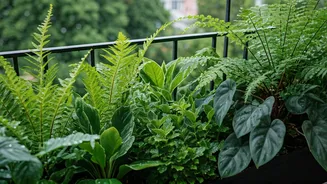
For a truly lush, jungle-like feel, you cannot go wrong with ferns. Varieties like the Boston Fern or Sword Fern bring a soft, natural aesthetic and thrive in the monsoon's high humidity and indirect light. These plants are perfect for shaded corners of your balcony where flowering plants might struggle. They love moisture and will appreciate the rain, but good air circulation is key to prevent fungal issues. You can even hang them in baskets to create beautiful, cascading layers of green.
Balsam: The Monsoon Marvel
Balsam is a classic rainy season flower in India, known for blooming profusely when the showers begin. It grows quickly and produces beautiful flowers in shades of pink, red, white, and violet, making it a wonderful plant for brightening up your space. It prefers moist, well-drained soil and does well in partial shade. Balsam is particularly well-suited for container gardening and will add a delightful touch of colour to your railing planters or pots.