



What Are Layered Bangs?
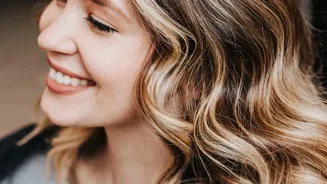
Layered bangs are a dynamic and textured fringe, distinct from a single-length, blunt cut. The style involves cutting hair into various lengths that 'layer' on top of one another. This technique adds dimension, movement, and a softer, more blended appearance.
Styles like curtain bangs, which are parted in the middle and sweep outwards, are a popular form of layered bangs. Their main appeal is versatility; they can be adapted for different face shapes, hair types, and lengths, from short pixie cuts to long, flowing hair. The result is a face-framing effect that feels less severe and grows out more gracefully than a traditional fringe.
The Low-Maintenance Advantage
The primary benefit of layered bangs, especially for beginners, is their effortless nature. Unlike blunt bangs that require precise, daily styling to look sharp, layered bangs are designed to look slightly undone and work with your hair's natural movement. This built-in texture means they blend more seamlessly into the rest of your hair, making the grow-out phase far less awkward. Many find that styles like curtain bangs are particularly forgiving, as they don't require constant trims to maintain their shape. This makes them an ideal choice for anyone seeking a stylish update without committing to a high-maintenance routine.
Essential Tools for Easy Styling
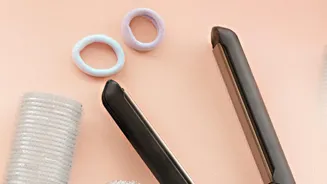
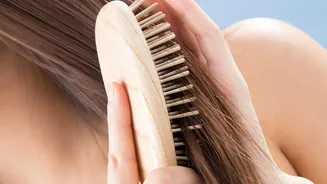
You don't need a professional kit to manage layered bangs, but a few key tools will make your morning routine a breeze. A good hair dryer is fundamental. For creating volume and a soft curve, a round brush is your best friend; use it to lift the roots while drying for extra bounce. A flat iron can also be used to create a polished finish or a gentle flip at the ends. To protect your hair, always use a heat protectant spray. For second-day hair or to combat oiliness, a quality dry shampoo is a must-have to keep your bangs looking fresh and voluminous.
Your 5-Minute Morning Routine
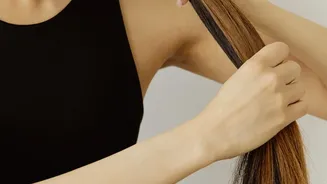
Styling layered bangs doesn't have to be a time-consuming chore. Start by lightly dampening your bangs with a spray bottle. Apply a small amount of lightweight mousse or volumizing spray for body. Using a round brush, blow-dry your bangs, lifting at the root and directing the airflow downwards. For curtain bangs, a popular technique is to blow-dry each side forward and away from the face to create that signature outward sweep. If you prefer, you can simply use your fingers to tousle them into place for a more relaxed, textured look. A quick pass with a flat iron can add extra polish or direct any unruly pieces. Finish with a light mist of hairspray to hold the shape without making it stiff.
Tips for a Flawless Finish
To keep your bangs looking their best, product selection is key. Opt for lightweight products that provide control and movement without weighing the hair down. A texturizing spray can be great for enhancing the choppy, piece-y feel of the layers. When using heat tools, remember that less is more; you want to create a soft bend, not a stiff curl. If you wake up with unruly bangs, there's no need to wash your whole head. Simply wet the fringe area, re-apply a styling product, and blow-dry as needed. For those with wavy or curly textures, embrace your natural pattern and use a curl cream to define your bangs.
Keeping Your Bangs Fresh Between Cuts
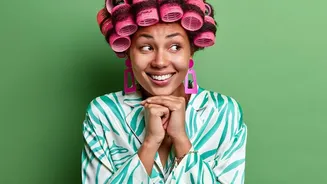
While layered bangs are low-maintenance, they still require some upkeep. To maintain their shape and prevent split ends, plan for regular trims every four to six weeks. Because they touch your forehead, bangs can get oily faster than the rest of your hair. Dry shampoo is an excellent tool for absorbing excess oil and refreshing your look between washes. At night, you can gently pin your bangs back or use a silk headband to keep them from getting creased or greasy while you sleep. For curtain bangs, using a single large velcro roller on dry hair for about 10 minutes can also help maintain that perfect, face-framing curve.