
The Social Media Showcase
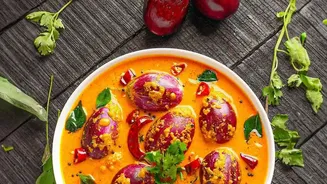
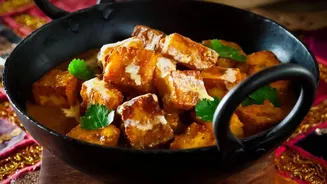
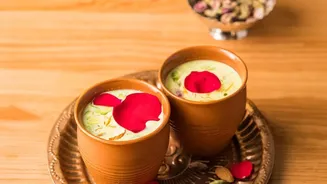
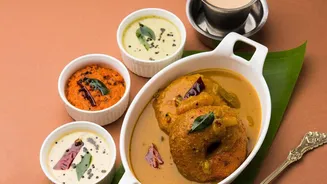
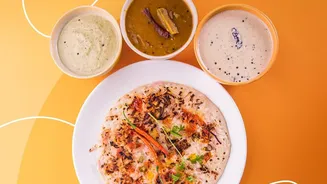
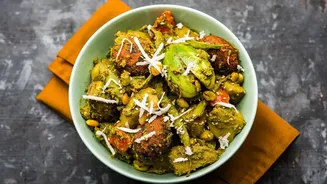
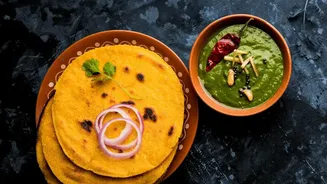
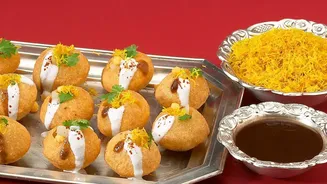
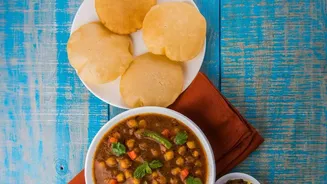
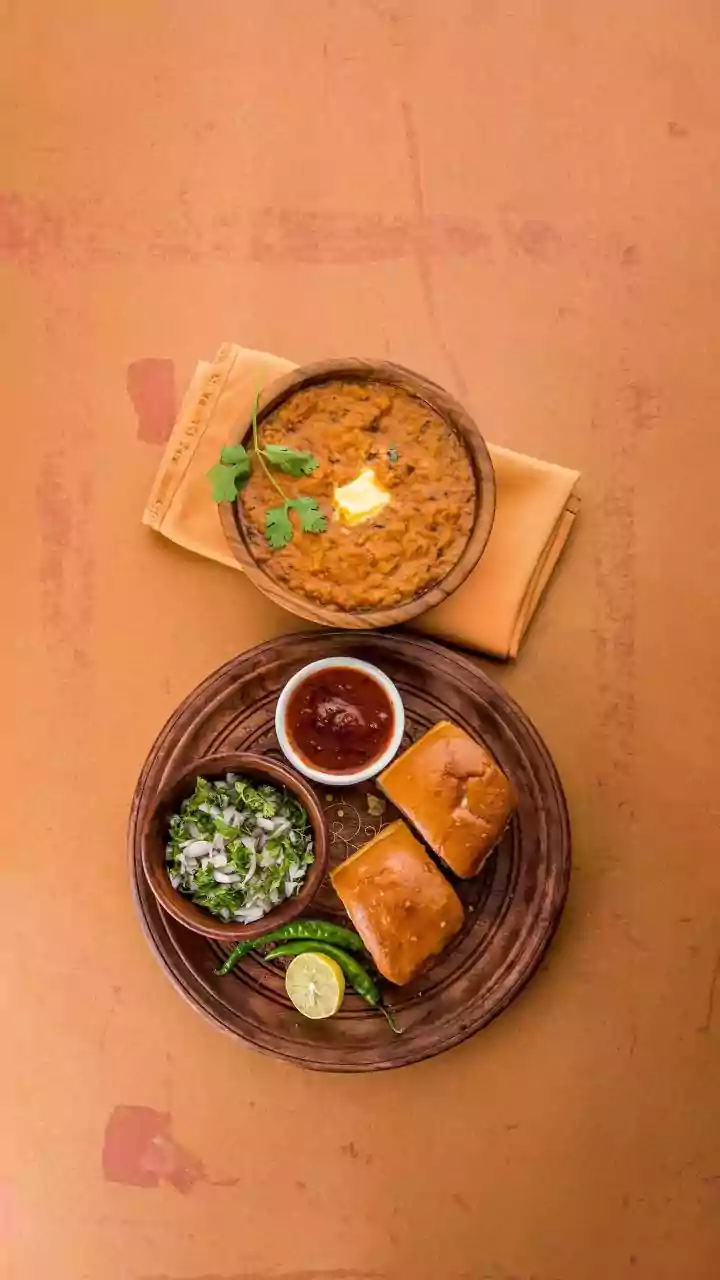
The single biggest catalyst for this trend is visual media. Platforms like Instagram and YouTube have transformed regional food from a home-cooked secret into a visually stunning, shareable experience. Food bloggers and influencers have been instrumental,
showcasing the rich culinary heritage of India with beautifully curated feeds that make viewers want to taste with their eyes. A short, well-made video of a lesser-known dish can be enough to make someone crave something they've never tasted before. This digital exposure demystifies regional cooking, making it seem approachable and inspiring a new generation to either seek out these dishes at restaurants or try making them at home.
A Quest for Authenticity
For years, mainstream Indian food in restaurants often meant a standardized menu of popular Punjabi dishes. Younger diners, however, are increasingly seeking more authentic and diverse experiences. There is a growing appetite for food that feels honest, tied to specific geographies, and shaped by local produce rather than generic trends. This shift is also a reaction against fusion food that feels forced; instead, they gravitate towards novelty that is grounded in tradition. The food must feel comforting and rooted in a real story, connecting the diner to a place and its heritage. This search for authenticity has led to a rediscovery of culinary traditions that were previously confined to family kitchens.
The Health and Wellness Connection
The move towards regional food aligns perfectly with a growing health consciousness among young Indians. Many are rediscovering the inherent nutritional wisdom in traditional diets. Traditional Indian cooking methods often involve steaming, boiling, or light sautéing instead of heavy frying, and emphasize whole, fresh ingredients. Spices like turmeric, ginger, and cumin, central to many regional cuisines, are celebrated for their anti-inflammatory and digestive health benefits. As young consumers become more mindful about what they eat, the balanced, nutrient-dense meals of their own heritage offer a compelling alternative to processed and fast foods. This trend is less about dieting and more about embracing a balanced, sustainable way of eating.
Food as an Expression of Identity
For many young Indians, particularly those living in cities away from their hometowns, food has become a powerful way to connect with their cultural roots. Cooking or eating a dish from their native region is a way to preserve family recipes and celebrate their heritage. This renewed pride in culinary identity is reshaping the dining landscape. Modern diners want context and meaning on their plate; knowing the story behind a dish—why it exists and who traditionally cooked it—makes the experience richer and more personal. In a globalized world, embracing one's own regional food is a statement of identity and a way of keeping traditions alive.
The Rise of Home Chefs and Niche Eateries
The food business itself has evolved to meet this demand. The rise of home chefs, empowered by social media and delivery platforms, has been a game-changer. These culinary entrepreneurs are bringing authentic, regional specialities from their own kitchens to a wider audience. They stand out by offering dishes you can’t find in most commercial restaurants, from Rajasthani thalis to Himachali delicacies. This has also prompted a change in the restaurant world, with a new wave of establishments focusing on hyper-regional cuisines, moving beyond generic "Indian" menus to celebrate the specific flavours of Nagaland, Kerala, or Bengal.