





Jumping rope is a powerhouse workout packed into a simple, portable tool. It boosts heart health, improves coordination, and burns calories efficiently. But for many beginners, the frustration of constant tripping can end the journey before it begins.
Choose Your Equipment Wisely
The first step is picking the right rope, which is crucial for learning. Many beginners mistakenly grab a lightweight speed rope, which offers little-to-no feedback, making it hard to feel the rope's rotation and develop rhythm. Instead, consider a beaded or a slightly heavier PVC rope. The weight and audible 'click' of a beaded rope on the ground provide the feedback needed to nail your timing. To find the correct length, stand on the middle of the rope with both feet. The ends of the rope (not the handles) should come up to your armpits or chest. It's better to start with a rope that's slightly too long than one that's too short, as you can always adjust it later. A rope that is too long often slaps the ground and disrupts your rhythm, while a rope that is too short will cause you to trip constantly.
Mastering the Basic Form
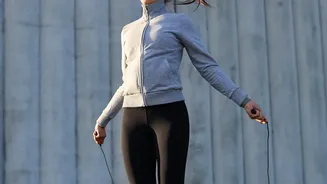
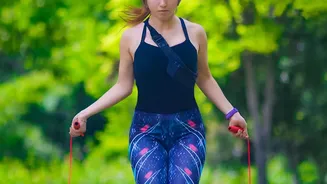
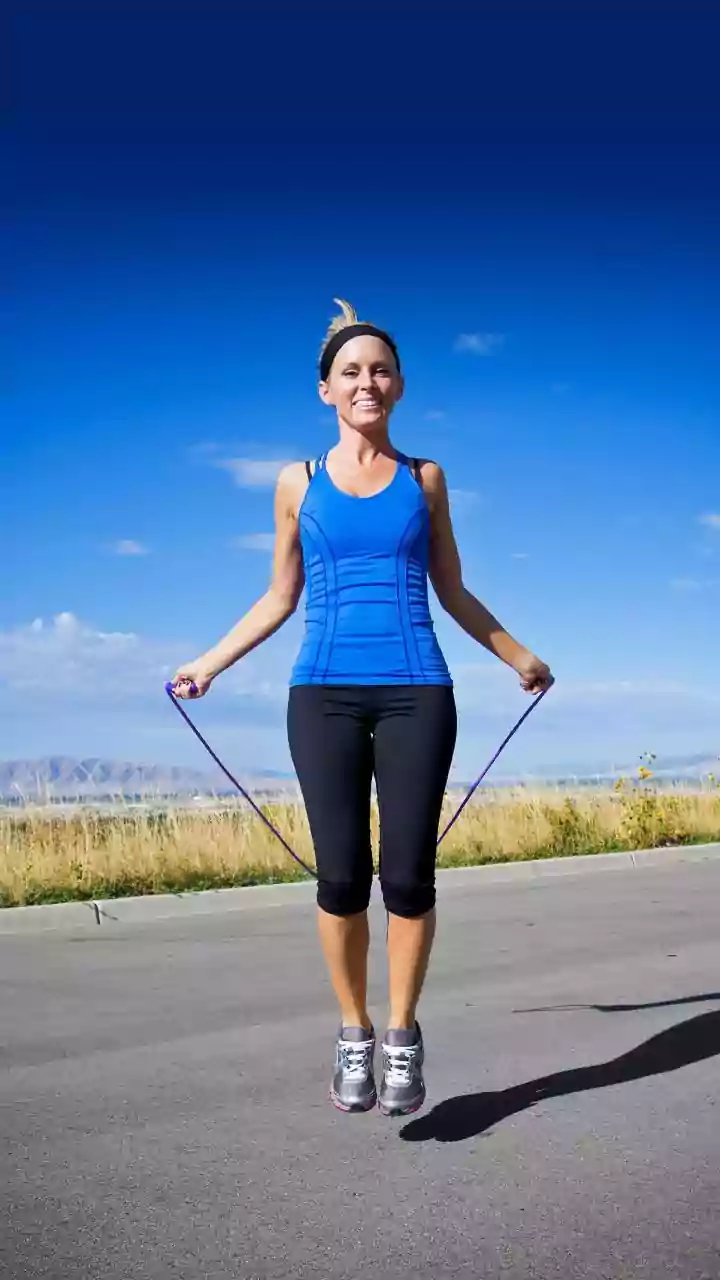
Proper form is about efficiency and injury prevention. Stand with your feet together, maintaining a tall, neutral spine with your chest up and eyes looking forward. Your arms should be relaxed, with your elbows held close to your body and your hands positioned at about hip height. The rotation of the rope should come from your wrists, not your shoulders or entire arms. Think of it like turning small doorknobs. The jump itself should be small, only an inch or two off the ground—just enough to clear the rope. Stay on the balls of your feet and land softly with your knees slightly bent to absorb the impact. Avoid looking down or jumping too high, as these are common mistakes that waste energy and can lead to shin splints.
Your First Week's Workout Plan
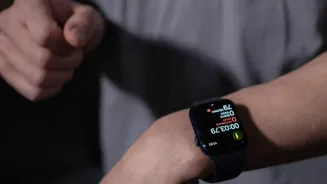
The key to building a sustainable habit is to start slowly. Many beginners do too much too soon, leading to injury and burnout. For your first few sessions, aim for just 10-15 minutes. A great way to begin is with interval training. Try this simple routine: 30 seconds of basic jumping followed by 30 to 60 seconds of rest. Repeat this circuit five to ten times, depending on your fitness level. This approach allows you to focus on your form without getting overly fatigued. Listen to your body; if you feel pain, give yourself extra rest. The goal is consistency over intensity. Short, frequent sessions are more beneficial for beginners than long, exhausting ones.
Common Mistakes and How to Fix Them
Every beginner trips, but understanding why can speed up your progress. If you're constantly catching the rope on your feet, it’s likely a timing issue or an improperly sized rope. Jumping too high is another frequent error; remember, you only need to clear the rope by an inch. Another common mistake is swinging your entire arms. This is tiring and inefficient. Focus on keeping your elbows in and rotating from the wrists. If your hands are too wide, it shortens the arc of the rope, making it harder to clear. Keep your hands near your hips. Finally, make sure you're jumping on a suitable surface like a gym floor, a mat, or wood, rather than concrete or grass, and wearing supportive athletic shoes.
How to Progress Safely
Once you can comfortably complete several minutes of the basic twond foot bounce, you can start to progress. The first step is to increase your work intervals and decrease your rest periods. For example, move to 40 seconds of jumping with 20 seconds of rest. From there, you can extend the total workout time. When you feel coordinated and confident, you can begin learning new skills. The alternate foot step, which mimics running in place, is a great next step. You can also try 'skiers', which involves hopping from side to side with both feet. Introducing these variations not only challenges your coordination but also keeps your workouts engaging.