



Why Humidity Hits Dogs Hard
We sweat to cool down, but our canine companions can’t. Dogs primarily regulate their body temperature by panting. When they pant, moisture evaporates from their tongue, nasal passages, and the lining of their lungs, which helps cool them. However, when
the air is already thick with moisture, this evaporation process becomes far less effective. Think of it like trying to dry a wet towel in a steamy bathroom—it just doesn’t work well. This inefficiency means dogs can easily overheat in humid conditions, even when temperatures aren’t extreme. Signs of heat stress include excessive panting, drooling, lethargy, and a general look of discomfort. The humidity doesn’t just make them physically uncomfortable; the inability to cool down can cause significant stress and anxiety.
The Power of Hydration and Cooling
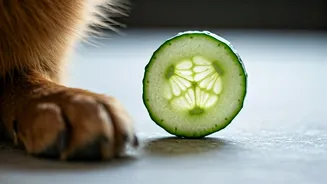
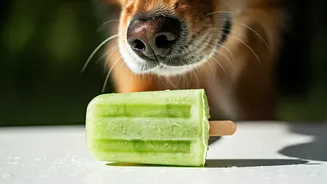
This is where the humble cucumber comes in. Composed of about 96% water, cucumbers are a fantastic, low-calorie way to boost your dog’s hydration. Unlike some fruits, they are very low in sugar and calories, making them a safe and healthy treat for most dogs in moderation. When served frozen, they offer an additional, direct cooling benefit. As your dog licks and chews on the frozen treat, it helps to lower their body temperature from the inside out, providing immediate relief on a hot and sticky day. It’s a simple, natural, and refreshing way to help your dog feel more comfortable when the weather is working against them.
Beyond Cooling: The Puzzle Power
A hot, humid day often means shorter walks and less outdoor playtime, leading to a bored and restless dog. This is where the 'puzzle' part of the headline becomes crucial. Enrichment toys, like Kongs or other fillable puzzles, are designed to engage a dog's mind. The act of working to get food out of a toy provides vital mental stimulation, preventing boredom-related behaviours like chewing on furniture or excessive barking. Furthermore, licking and chewing are naturally soothing activities for dogs. They release endorphins, which help to calm and relax them. By combining a cooling treat with an engaging puzzle, you are tackling both physical discomfort from the heat and mental stress from inactivity. It’s a two-for-one solution that keeps your dog happy, busy, and cool.
How to Make Your Frozen Cucumber Puzzles
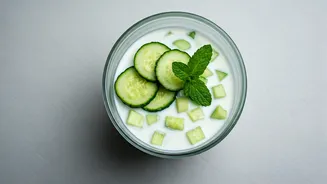
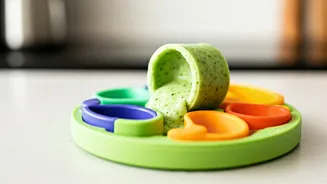
Ready to give it a try? It’s incredibly simple. 1. **Choose Your Ingredients:** You’ll need one fresh cucumber and a dog-safe puzzle toy. Hard rubber toys that can be filled, like a classic Kong, work best. 2. **Prepare the Filling:** Wash the cucumber thoroughly. You can choose to peel it, especially if the skin is waxed, though the skin itself is safe for dogs. Chop the cucumber into small pieces and blend it into a smooth puree. Add a little water if needed to get the blender going. 3. **Fill the Toy:** Place the puzzle toy upright in a cup to keep it steady. Pour or spoon the cucumber puree into the toy. You can plug the small hole at the end with a small piece of cucumber or a dab of plain yogurt (ensure it’s xylitol-free) to prevent leakage. 4. **Freeze Solid:** Place the filled toy in your freezer for at least four hours, or until it’s frozen solid. Making a few at a time ensures you always have one ready for a particularly humid afternoon. 5. **Serve and Supervise:** Give the frozen puzzle to your dog in an area that’s easy to clean, like a tiled floor or outdoors in the shade. Always supervise your dog with any new toy or treat to ensure they are playing safely.
Variations and Safety First
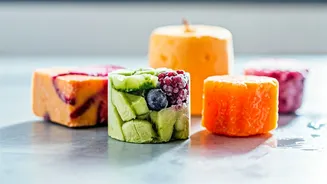
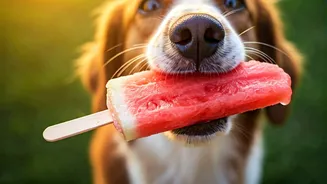
While plain cucumber is great, you can add other dog-safe ingredients for variety. A spoonful of plain, unsweetened dahi (yogurt) can add probiotics and a creamy texture. A few blueberries or small pieces of watermelon (seeds and rind removed) can be mixed in for an antioxidant boost. However, always introduce new foods slowly. While cucumbers are safe, they are also high in fibre, and too much can cause an upset stomach. These puzzles are treats and should not replace a balanced meal. It’s a good rule of thumb that treats should make up no more than 10% of your dog’s daily caloric intake. If your dog has any health conditions or dietary restrictions, it is always best to consult your veterinarian before introducing new foods into their diet.