







The Science of Simple Warmth
First, the obvious: when it’s cold and damp outside, our body temperature can drop slightly, and we instinctively seek warmth. A hot meal literally warms us from the inside out. But it’s more than just thermodynamics. The physical sensation of holding
a warm mug of soup or feeling a steaming bowl of pasta in your lap is inherently comforting. Researchers suggest this taps into primal feelings of safety and security. Hot foods and drinks can trigger sensory pathways that calm the nervous system, much like a warm blanket or a hot shower. It’s a simple, biological response to the external environment—our bodies telling our brains to find the nearest, most delicious heat source.
A Boost for Your Brain
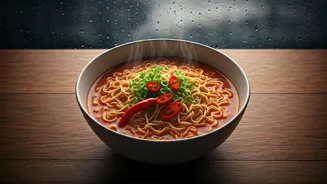
That gloom outside isn't just in your head. Gray, overcast days can lead to a dip in serotonin, the neurotransmitter that helps regulate mood, appetite, and sleep. Lower serotonin levels can leave us feeling sluggish and a bit down. This is where comfort food, particularly dishes high in carbohydrates, works its magic. Think mac and cheese, mashed potatoes, or a big bowl of ramen. These carb-rich foods can trigger the release of insulin, which helps clear other amino acids from the bloodstream, making it easier for tryptophan—a precursor to serotonin—to enter the brain. The result is a subtle but noticeable mood lift. You’re not just eating because you’re hungry; you’re subconsciously self-medicating with carbohydrates.
A Taste of Simpler Times
Many of our go-to rainy-day meals are dripping with nostalgia. Grilled cheese with tomato soup, chicken noodle soup, or a hearty beef stew aren't just meals; they're memories. Psychologists call this phenomenon 'conditioning.' For many of us, these were the foods we were given as children when we were sick, sad, or stuck inside on a stormy day. Eating them as an adult transports us back to a time when we felt cared for and safe. The meal becomes a powerful emotional shortcut to comfort. The specific dish doesn't matter as much as the association. For you it might be chili, for someone else it’s a shepherd’s pie. The common thread is the feeling of security it evokes.
The Ritual is the Reward
On a dreary day when motivation is low, the last thing anyone wants is a complicated, multi-step recipe. The beauty of many classic rainy-day meals is their simplicity and the rewarding process. Think of a one-pot chili or stew. The act of chopping vegetables and letting something simmer on the stove for hours is a low-effort, high-reward activity. It’s a gentle, productive ritual that makes you feel accomplished. Even better, it fills your home with incredible, mouth-watering aromas. That scent of garlic, onions, and simmering broth becomes part of the experience, building anticipation and creating a cozy, welcoming atmosphere that directly counteracts the bleakness outside. The cooking itself becomes a form of self-care.
Creating Your Own Sunshine
Ultimately, turning to a hot meal on a rainy evening is an act of defiance. It’s about taking control of your environment and your mood. You can’t stop the rain, but you can light a fire on the stove. You can’t make the sun come out, but you can pull a golden, bubbling casserole from the oven. In a way, cooking and eating a comforting meal is how we create our own little pocket of sunshine. It’s a conscious choice to find joy and contentment when the world outside isn’t providing it. This explains the enduring appeal of dishes that require a bit of assembly and baking—like a lasagna or a pot pie. They are projects of pure comfort, designed to be shared and savored.