



The Lowdown on Saturated Fats
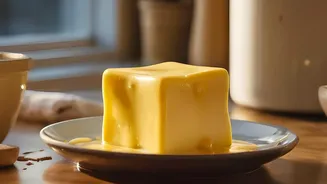
Saturated fats are a type of dietary fat that are typically solid at room temperature. Think of butter, ghee, coconut oil, and the fat you see on meat. In the Indian context, they are prevalent in everything from rich curries and biryanis to festive sweets
and deep-fried snacks. While our bodies need some fat for energy and cell function, diets high in saturated fats are linked to increased levels of LDL cholesterol, often called "bad" cholesterol. This is a concern because high LDL cholesterol is a significant risk factor for heart disease.
How Saturated Fats Affect Your Blood Vessels
Imagine your blood vessels as flexible pipes that carry oxygen and nutrients throughout your body. When you have too much LDL cholesterol in your blood, it can start to build up on the walls of these pipes, a process known as atherosclerosis. Over time, this buildup, called plaque, can harden and narrow your arteries, restricting blood flow. This forces your heart to work harder and increases the risk of blockages that can lead to heart attacks and strokes. Replacing saturated fats with healthier alternatives can help manage LDL levels and keep these vital pathways clear and healthy.
The Healthier Alternative: Unsaturated Fats
The good news is that not all fats are created equal. Unsaturated fats—which include monounsaturated and polyunsaturated fats—are considered heart-healthy. These are typically liquid at room temperature and are found in sources like nuts, seeds, avocados, and vegetable oils. Studies consistently show that replacing saturated fats with unsaturated fats, particularly polyunsaturated fats, can significantly lower bad cholesterol and reduce the risk of heart disease. This simple switch is one of the most effective dietary changes you can make for cardiovascular wellness.
Why 'Cold-Pressed' Makes a Difference
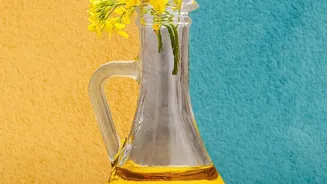
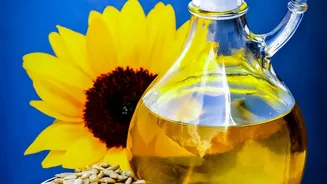
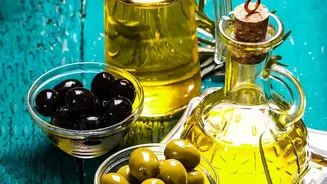
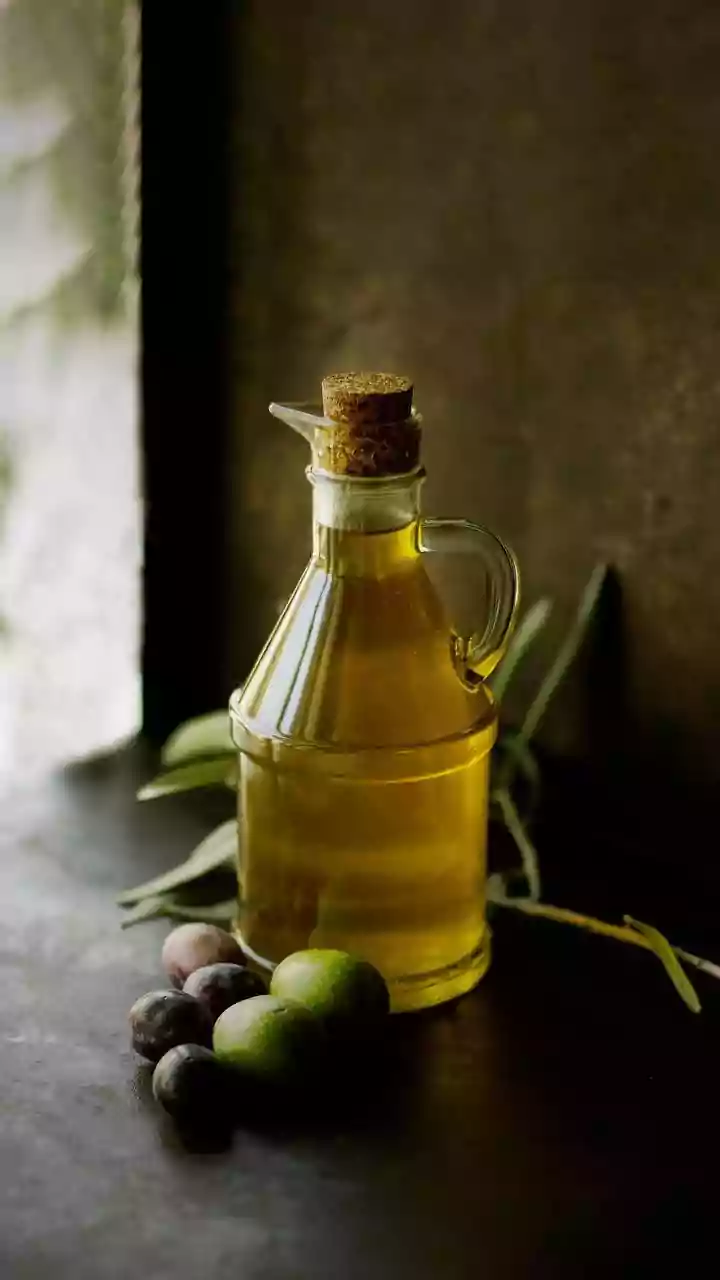
When choosing a healthier oil, the term 'cold-pressed' is key. Cold-pressed oils, known in India as 'ghani' or 'marachekku', are extracted from seeds or nuts using mechanical pressure without high heat or chemical solvents. This gentle process ensures that the oil retains its natural nutrients, antioxidants (like Vitamin E), and healthy fatty acids. In contrast, refined oils are processed at very high temperatures, which can strip them of their nutritional value and even create harmful compounds. Cold-pressed oils are not only purer but also retain the natural flavour and aroma of their source, enhancing your cooking.
Making the Switch: Practical Swaps for Indian Kitchens
Adopting healthier fats doesn't mean sacrificing flavour. India's rich culinary heritage offers a variety of excellent cold-pressed oils. For everyday cooking like making sabzis and dals, cold-pressed groundnut, sunflower, or sesame oil are great choices. Cold-pressed mustard oil, with its pungent flavour and favourable fatty acid profile, is excellent for North and East Indian dishes and has been linked to a reduced risk of coronary heart disease. Cold-pressed coconut oil, popular in the South, can be used for sautéing. The goal is not to eliminate fats, but to rotate these healthier, nutrient-dense oils in your daily meals.