

Ladakh: The Sunny Rain-Shadow Escape
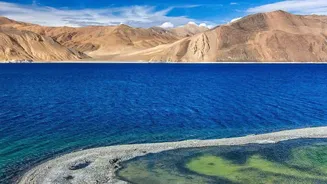
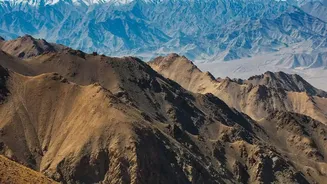
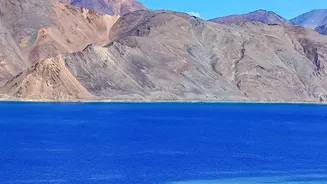
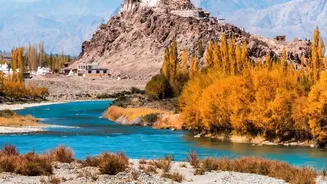
While most of India is drenched, Ladakh remains a high-altitude cold desert, largely shielded from the monsoon by the Himalayas. This is what's known as a rain-shadow region, making July and August peak season for travel here. Expect clear blue skies,
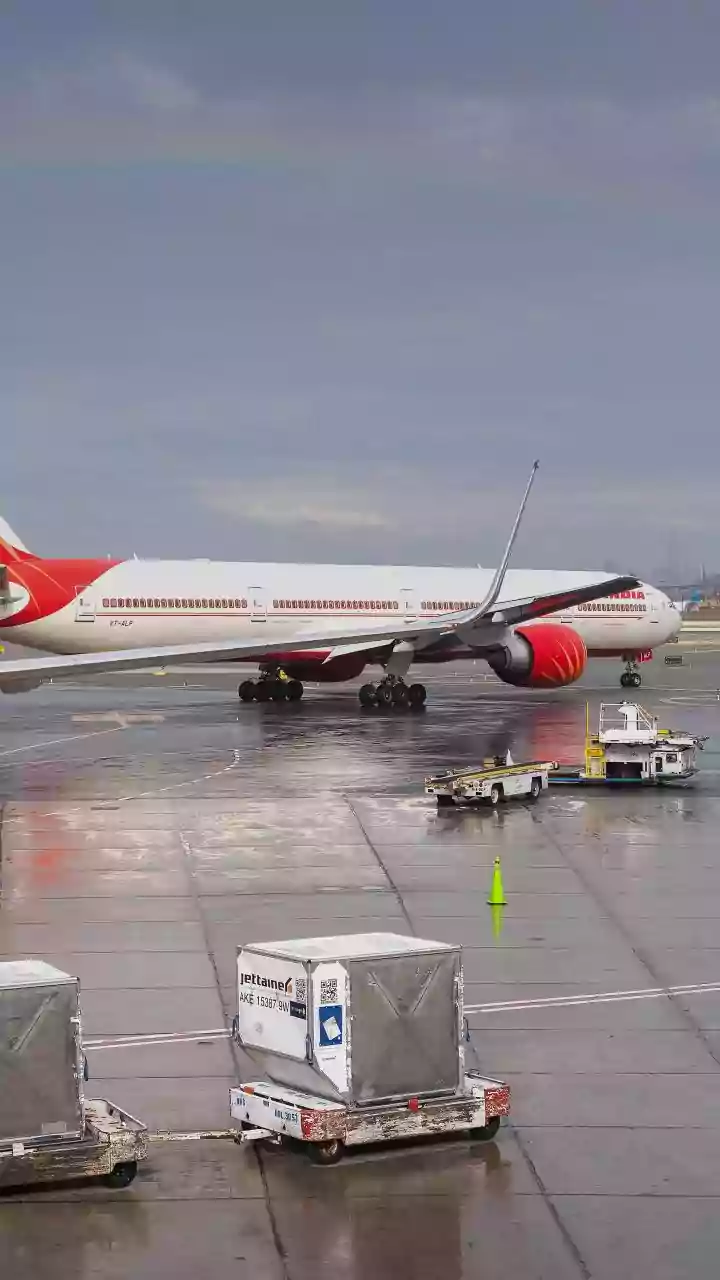
pleasant daytime temperatures, and sunshine. The primary weather factor to check isn't rain in Ladakh itself, but the condition of the highways leading to it. Both the Manali-Leh and Srinagar-Leh highways pass through monsoon-heavy zones before entering the dry pocket. Landslides, washed-out roads, and slush can cause significant delays. If you're driving or riding, it is crucial to add several buffer days to your itinerary and check road status daily. The safest approach is often to fly directly into Leh to bypass the most unpredictable stretches, though even flights can occasionally face delays.
Kerala: Embracing the Full Monsoon Glory
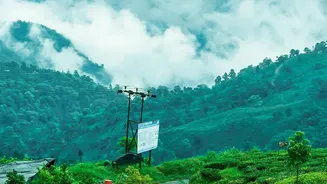
Kerala during the monsoon is the polar opposite of Ladakh. The state receives heavy, sustained rainfall from the Southwest Monsoon between June and September. This transforms the landscape into a lush, emerald paradise, with waterfalls at full force and the backwaters brimming. However, this beauty comes with risks. The India Meteorological Department (IMD) frequently issues alerts for heavy rainfall, which can lead to localised flooding, waterlogging, and an increased risk of landslides, especially in hilly districts like Idukki and Wayanad. As of late August 2026, the IMD has issued yellow alerts for several districts, indicating the possibility of heavy rain. Travellers should monitor daily weather advisories, especially if planning treks or visiting hilly areas. While main tourist destinations and hotels remain open, it's wise to have a flexible itinerary as outdoor activities can be cancelled. Always choose licensed operators for houseboat tours and avoid swimming in swollen rivers or near waterfalls.
Goa: The Quiet, Green, and Wet Off-Season
Goa in the monsoon offers a completely different vibe from its peak-season party reputation. From June to September, the state receives significant rainfall, turning the countryside into a vibrant green and bringing waterfalls like Dudhsagar to life. This is the off-season, meaning fewer crowds, peaceful beaches, and attractive deals on accommodation. However, the weather is a major factor to consider. Swimming in the sea is generally unsafe due to rough conditions, and many beach shacks are closed. The focus shifts from beaches to exploring heritage sites in Old Goa, enjoying the lush inland scenery, and taking scenic drives. While rainfall can be heavy and continuous for days, there are also periods of lighter showers and sun. Check the weather forecast before planning outdoor activities and be prepared for humidity. Some reports for the 2026 season mention that Goa has received above-normal rainfall, so expect wet conditions.
How to Make Your Choice
Your decision depends entirely on your travel style. For guaranteed sunshine and adventure trekking, Ladakh is the clear winner, provided you plan your travel to the region carefully. For a romantic, rejuvenating escape surrounded by intense greenery and the drama of heavy rain, Kerala offers an unparalleled experience, as long as you remain cautious and informed about weather alerts. For a peaceful, budget-friendly trip where you can enjoy quiet moments, heritage, and lush landscapes without the crowds, Goa is an excellent choice, provided you are happy to trade beach time for rain-washed beauty. Before booking any monsoon getaway, the most important step is to check the local IMD forecasts and advisories for your specific dates and destination. Weather patterns can be unpredictable, and staying informed is the best way to ensure a safe and enjoyable trip.