





A Divine Thanksgiving
Bonalu, a cherished annual festival in Telangana, especially in the twin cities of Hyderabad and Secunderabad, is a month-long celebration dedicated to Goddess Mahakali. The name itself, derived from the Telugu word 'Bhojanalu' meaning a meal or feast,
points to its very core: an offering of food to the divine. It’s a profound act of gratitude, a thanksgiving for fulfilled vows and protection. The festival's origins are traced back to the early 19th century when a plague devastated the region. A military battalion stationed in Ujjain prayed to Goddess Mahakali, vowing to install her idol and make offerings if the epidemic subsided. When it did, they fulfilled their promise, and the tradition was born. Today, it stands as a state festival in Telangana, a powerful marker of cultural identity.
The Heart of the Ritual: The Bonam
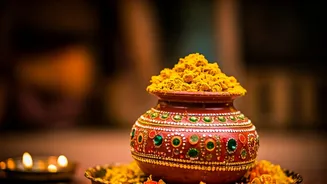
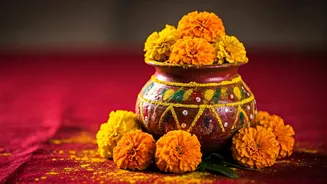
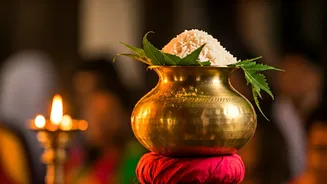
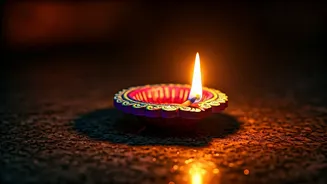
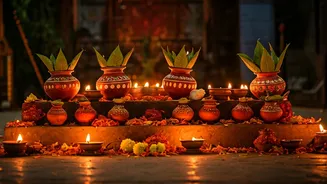
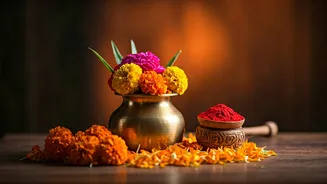
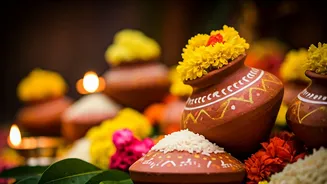
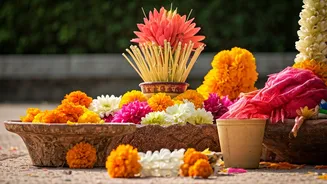
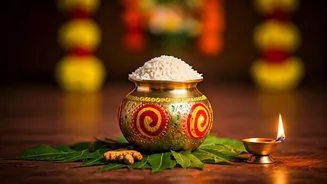
The central and most iconic ritual of the festival is the preparation and offering of the 'Bonam'. Women prepare rice cooked with milk and jaggery in a new earthen or brass pot. This pot is then beautifully decorated with neem leaves, turmeric, and vermilion, with a lit lamp placed on top. Carrying these pots on their heads, women walk in processions to the temple, a graceful and powerful act of devotion. This offering is not just food; it is a symbol of love, respect, and a deep personal connection with the goddess. It is believed that during the month of Ashadam, the goddess returns to her parental home, and these offerings are a way for devotees to welcome and pamper her.
The Pulse of the Procession
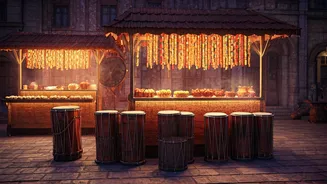
Bonalu is a sensory spectacle, and nowhere is this more evident than in its processions. The incessant, driving beat of drums provides the festival's heartbeat. Leading the way is the Pothuraju, believed to be the brother of the Goddess Mahakali. A well-built, bare-bodied man, smeared with turmeric and vermilion, he dances with fierce energy, lashing a whip and clearing the path for the women carrying the Bonam. His presence is considered protective, warding off negative energies. Another key element is the 'Ghatam', a decorated copper or clay pot representing the goddess herself. Carried by a priest, the Ghatam is taken in procession throughout the festival and is finally immersed in water on the last day, marking a poignant conclusion.
A Feast for the Senses
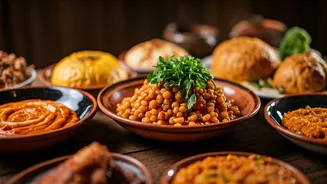
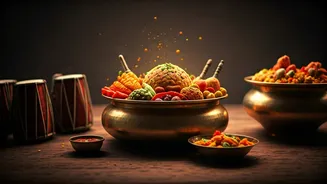
While the Bonam is the sacred offering, the festival is also a time for great feasting among families and the community. Unlike many other Hindu festivals, the Bonalu feast prominently features non-vegetarian dishes. Traditional Telangana specialities take centre stage. Families gather to share meals that might include mutton pulusu (a tangy mutton curry), liver fry, and chicken preparations. After the main offering at the temple, households indulge in elaborate meals, sharing the joy and blessings of the season with relatives and guests. The festival culminates in a final grand feast, where the sacred offerings are shared, reinforcing community bonds and celebrating the goddess's benevolence.
Prophecies and Predictions: The Rangam
A unique and highly anticipated ritual of Bonalu is the 'Rangam', or oracle prediction. This event typically takes place the morning after the main celebrations at key temples like the Ujjaini Mahakali Temple in Secunderabad. An unmarried woman, believed to be possessed by the spirit of the Goddess, stands on an unbaked earthen pot and delivers prophecies for the year ahead. She speaks of the community's well-being, the coming harvest, and potential challenges, answering questions from devotees. Thousands gather to witness this mesmerizing ritual, hanging on every word spoken by the oracle, seeking guidance and reassurance for the future.