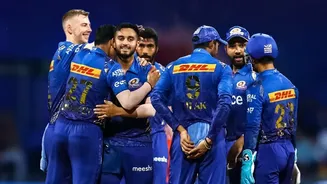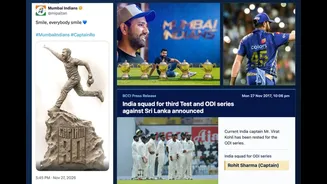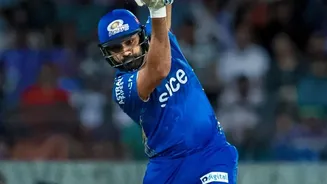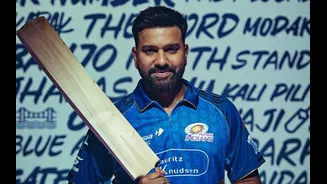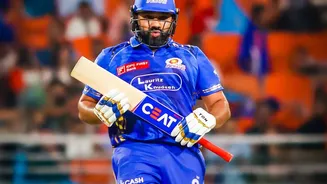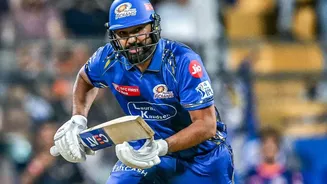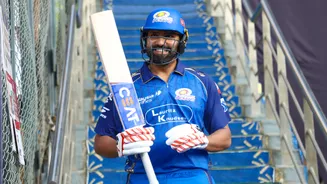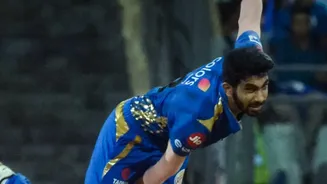



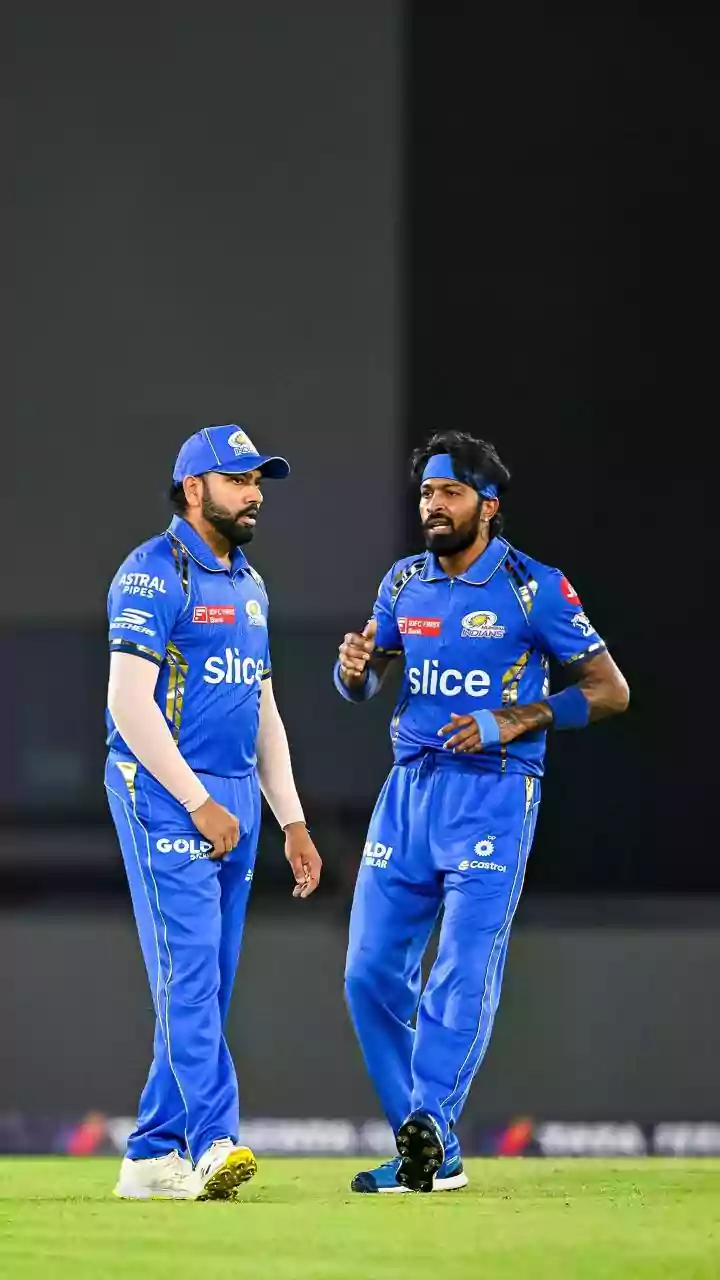

The tectonic plates under Mumbai Indians are still shifting. After the seismic captaincy change that saw Hardik Pandya replace Rohit Sharma, a new tremor has emerged: Jasprit Bumrah reportedly turned down the vice-captaincy. What does this mean?
Context is Everything
To understand
Jasprit Bumrah’s reported refusal, we must first revisit the decision that rocked the IPL. Mumbai Indians orchestrated the blockbuster return of Hardik Pandya from Gujarat Titans, not just as a player, but as the new captain. This move ended Rohit Sharma’s decorated, decade-long, five-title reign as skipper. While the franchise framed it as a necessary step for future-proofing the team, the transition was anything but smooth. Fans were outraged, and the fallout created visible cracks in the team’s seemingly impenetrable facade. The decision to hand the reins to a returning player over established leaders like Bumrah and Suryakumar Yadav, who have been loyal mainstays, was a bitter pill to swallow for many, setting the stage for the current drama.
A Deputy Role Declined?
In the wake of this controversial leadership change, reports have surfaced suggesting that the Mumbai Indians management approached Jasprit Bumrah to serve as Hardik Pandya's deputy. The move was likely intended to unify the dressing room and create a new leadership core. However, it is understood that Bumrah declined the offer. While neither Bumrah nor the franchise has made an official statement, the news has spread like wildfire. This reported rejection is not just about turning down a title; it’s being interpreted as a powerful statement from a player who has been the franchise’s pace spearhead for over a decade. It signals that the wounds from the captaincy saga are far from healed and that the team’s most senior players may not be aligned with the management’s new vision.
Loyalty, Ambition, or Protest?
So, why would Bumrah say no? There are several compelling theories. The most prominent one is loyalty. Bumrah has played his entire IPL career under Rohit Sharma’s captaincy, and the two share a deep bond. Rejecting the deputy role could be a quiet act of solidarity with the ousted captain. Another angle is personal ambition. Bumrah has captained the Indian national team and is widely regarded as having a sharp cricketing mind. Being asked to be a deputy to Hardik, a peer, might have been seen as a slight, especially given his seniority within the MI setup. It could also be a silent protest. Bumrah, like many, may have been unhappy with how the captaincy transition was handled. Turning down the offer is a way to express his discontent without creating a public spectacle, sending a clear message to the front office that he is not just another player they can shuffle around.
The Long Road to 2028
The headline's mention of the 2028 mega auction might seem distant, but in the world of IPL strategy, it’s just around the corner. A mega auction resets the league, with teams only allowed to retain a handful of players (typically three or four). A superstar like Jasprit Bumrah, arguably the best all-format bowler in the world, holds immense power. If he feels undervalued or unsettled at Mumbai Indians, he knows that every other franchise would break the bank to acquire him. The current friction could be the starting point of a long-term exit strategy. By 2028, Bumrah will still be a formidable force. If the environment at MI doesn't improve, the prospect of leading another franchise could become increasingly appealing. This reported refusal is the first chess move in a game that will play out over the next few seasons.
What It Means for Mumbai
For Mumbai Indians, this is a significant problem. Their strategy of a seamless leadership transition is already failing. They now face the daunting task of managing a dressing room with at least three leadership figures: a new captain in Hardik, a legendary former captain in Rohit, and a disgruntled senior superstar in Bumrah. This internal tension could easily spill onto the field, affecting performance. The franchise built its dynasty on a foundation of stability and a strong, unified 'One Family' culture. That culture is now facing its biggest test. How the management navigates this delicate situation will determine whether they can build another championship-winning side or if this marks the beginning of a slow decline for the IPL’s most successful team.