





What Exactly Is a Rain-Shadow Region?
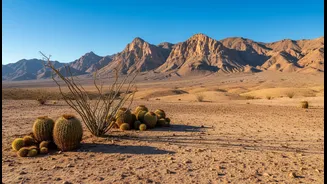
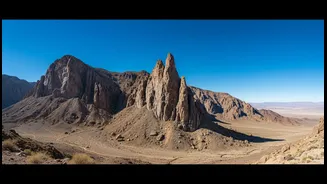
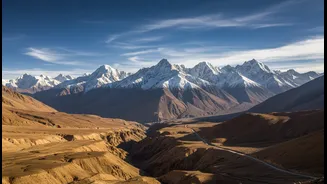
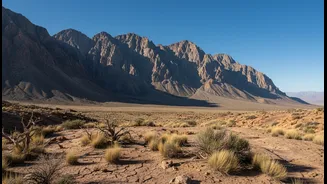
A rain-shadow area is a dry region on the leeward side of a mountain range—the side protected from the wind. In India, the Southwest Monsoon clouds, heavy with moisture from the Arabian Sea, are forced upward by mountain ranges like the Himalayas and
the Western Ghats. As the clouds rise, they cool and release their rain on the windward side. By the time the air mass moves over the mountains to the other side, it has lost most of its moisture. This descending dry air creates an arid or semi-arid landscape that receives minimal rainfall, even when neighbouring areas are being drenched.
The Allure of Adventure Without the Risk
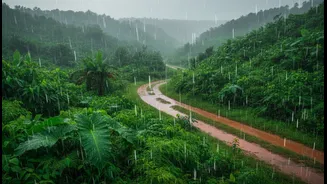
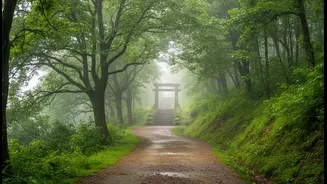
For adventure travellers, this geographical phenomenon is a game-changer. While popular hill stations in Himachal Pradesh, Uttarakhand, and the Western Ghats become prone to landslides, flash floods, and blocked roads, rain-shadow destinations offer a safer alternative. This search for safety and accessibility is driving a clear trend. Instead of cancelling plans, bikers, trekkers, and road-trippers are smartly choosing routes that lead to these dry sanctuaries. The appeal is simple: you get the stunning landscapes and pleasant temperatures of the season without the extreme risks associated with heavy, incessant rainfall.
Ladakh: The High-Altitude Desert Oasis
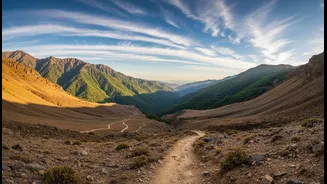
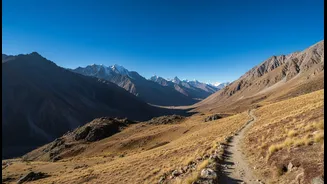
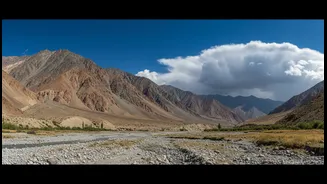
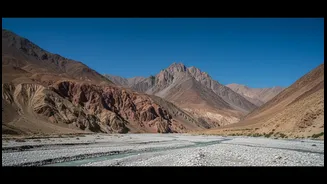
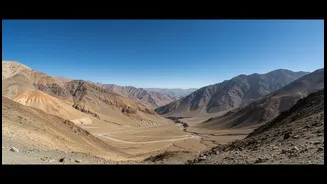
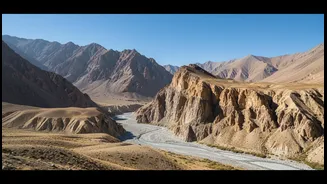
Ladakh is the classic example of a rain-shadow paradise. Shielded by the mighty Himalayas, it remains largely dry and sunny from July to September, a period when it sees a peak in tourism. While the rest of India contends with downpours, Ladakh's skies are often a brilliant blue, with comfortable daytime temperatures perfect for exploring. Adventures here include driving over the world's highest motorable passes, visiting ancient monasteries perched on stark cliffs, and marvelling at the surreal beauty of Pangong Tso and Nubra Valley. The primary challenge isn't the weather in Ladakh itself, but the approach roads from Manali or Srinagar, which can face monsoon-related disruptions. Travellers are advised to keep buffer days in their itineraries to account for potential delays.
Spiti Valley: The World Within a World
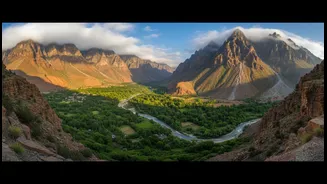
Like its neighbour Ladakh, Spiti Valley in Himachal Pradesh is a cold desert that lies in the Himalayan rain-shadow. This makes it one of the few places in the state that is safe and accessible for a road trip during the monsoon. Spiti offers a more remote and raw adventure, with its dramatic, barren landscapes, ancient Buddhist monasteries like Key and Tabo, and charming villages. The route via Shimla and Kinnaur is generally considered more stable during monsoon than the one from Manali, though travellers should always check local road conditions before starting. A trip here is for those who crave solitude and a journey back in time, with the landscape offering a stunning contrast to the lush greenery typical of the monsoon.
The Deccan Plateau: Beyond the Western Ghats
The rain-shadow effect is not limited to the Himalayas. The leeward side of the Western Ghats creates a vast, semi-arid region across the Deccan Plateau, encompassing parts of Maharashtra, Karnataka, and Tamil Nadu. While the coastal and mountainous parts of these states receive heavy rainfall, areas to the east remain significantly drier. This region is dotted with historical sites, unique rock formations, and arid landscapes that offer a different kind of monsoon beauty. Destinations like the northern plains of Karnataka or the Rayalaseema region in Andhra Pradesh provide opportunities for exploration without the intense rains of the ghats, making them ideal for heritage tours and offbeat road trips.
Southern Sanctuaries: The Coimbatore Connection
A unique geographical feature, the Palakkad Gap is a low mountain pass in the Western Ghats between Kerala and Tamil Nadu. This gap acts as a corridor for monsoon winds, allowing them to travel further inland. This results in the areas around Coimbatore and Tiruppur receiving moderate rainfall, but they are shielded from the torrential downpours that lash the Kerala side of the ghats. Further south, the region around Tirunelveli in Tamil Nadu also lies in a rain shadow created by the Agasthiyamalai hills. These regions offer a gentler monsoon experience, perfect for those looking to explore southern temple trails, local cuisine, and countryside that is green but not waterlogged.