

Lauki ke Chilke ki Sabzi (Bottle Gourd Peel Stir-fry)
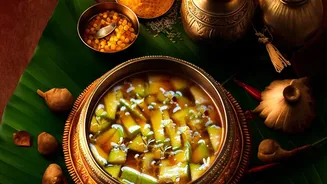
In many households, the peel of the humble bottle gourd (lauki or ghiya) is quickly discarded. However, in regions like West Bengal and Uttar Pradesh, these peels are transformed into a delicious and fibre-packed stir-fry. The peels, which are rich in nutrients,
are finely chopped and cooked with simple spices like cumin, turmeric, and green chillies. The result is a surprisingly flavourful and slightly crunchy dish that pairs perfectly with hot chapatis or as a side with dal and rice, proving that deliciousness can be found in the most unexpected parts of our vegetables.
Peerkangai Thogayal (Ridge Gourd Peel Chutney)
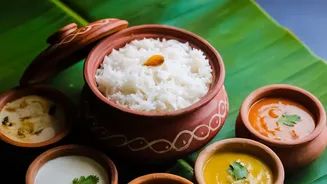
Next time you cook with ridge gourd (turai), think twice before binning the peels. In Tamil Nadu, these peels are the star of Peerkangai Thogayal, a thick, flavour-packed chutney. The peels are sautéed with lentils (urad dal), red chillies, tamarind, and sometimes a little coconut or jaggery until soft. This mixture is then ground into a coarse paste. It’s a tangy, spicy, and nutty condiment that is traditionally mixed with hot rice and a dollop of ghee or sesame oil. It's a classic example of how South Indian cuisine elevates a simple peel into a culinary gem.
Kalingana Polo (Watermelon Rind Dosa)
During hot Indian summers, watermelon is a welcome treat, but the rind usually ends up in the compost. However, in the coastal regions of Karnataka, the white part of the rind is used to make soft, fluffy dosas known as Kalingana Polo. The green skin is removed, and the white rind is ground with soaked rice and sometimes coconut to create a batter. This batter is then fermented and used to make savoury or sweet dosas. The rind adds moisture and a subtle flavour, turning a common food scrap into a delightful breakfast.
Kathal ke Beej ki Sabji (Jackfruit Seed Curry)
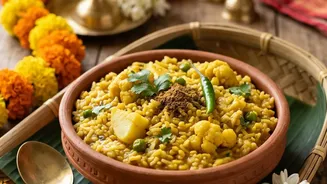
Jackfruit seeds are often overlooked, but they are a nutritional powerhouse, rich in protein and fibre. Once boiled, their tough outer skin peels off easily, revealing a tender, potato-like interior. These seeds are used to make a hearty curry, popular in states like Karnataka and across North India. The boiled and chopped seeds are simmered in a spicy gravy made with onions, tomatoes, ginger, and garlic. The final dish is a robust and flavourful curry that tastes incredible with rice or roti, showcasing the versatility of this underappreciated ingredient.
Vazhaithandu Poriyal (Banana Stem Stir-fry)
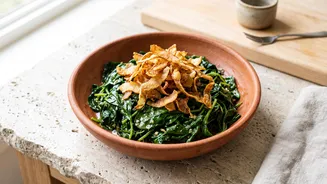
The entire banana plant is revered in South Indian cooking, and the stem is no exception. While the outer layers are tough, the inner core is a crisp, fibrous vegetable full of nutrients. To prepare it, the stem is finely chopped and soaked in buttermilk-infused water to prevent browning. It's then made into a 'poriyal' or stir-fry with mustard seeds, lentils, curry leaves, and fresh coconut. This dish is not only delicious but is also valued for its health benefits, particularly for digestion and kidney health.
Arbi ke Patte ke Patrode (Colocasia Leaf Rolls)
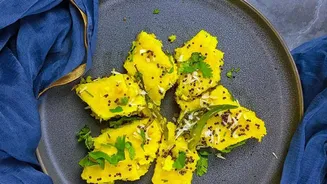
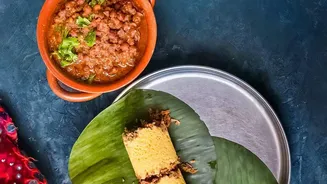
Colocasia leaves, or 'arbi ke patte', are large, heart-shaped greens that are not eaten raw but are fantastic when cooked. A famous dish, known as Patra in Gujarat and Patrode in other regions, involves smearing the leaves with a thick, tangy batter of gram flour (besan), tamarind, jaggery, and spices. The coated leaves are layered, rolled into tight logs, and steamed. These rolls are then sliced into pinwheels and can be eaten as is or shallow-fried for a crispy texture. It's a beloved snack that turns simple leaves into a savoury delight.
Gobi ke Danthal ki Sabji (Cauliflower Stem Stir-fry)
Most recipes call for cauliflower florets, leaving the thick stems and leaves behind. But in many Indian homes, these are not wasted. The stalks, which are crunchy and have a slightly sweet, tangy taste, are chopped and stir-fried, often with potatoes, to make a simple yet wholesome 'sabzi'. The leaves can also be included. Cooked with basic spices like turmeric and cumin, the stems retain a pleasant crunch, offering a different texture and flavour from the florets. It's a perfect example of root-to-stem cooking in daily practice.
Kele ke Chilke ki Sabzi (Raw Banana Peel Stir-fry)
While most of us eat the banana and toss the peel, the skin of raw, green bananas is edible and nutritious. In Kerala, it is used to make a dish called 'Thoran', and in other regions, it becomes a simple 'sabzi'. The peels are first boiled to soften them, then finely chopped. They are stir-fried with mustard seeds, onion, ginger-garlic paste, and tomatoes, and seasoned with spices like turmeric and chilli powder. The final dish has a unique, meaty texture and is a testament to the incredible ingenuity of Indian home cooking.