




Before You Start: The Pre-Monsoon Vehicle Check
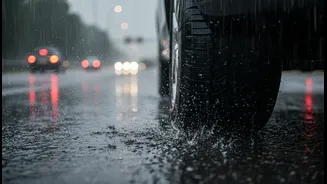
Your car's reliability is your first line of defence. Before the heavy rains begin, a thorough vehicle inspection is not just recommended—it's essential. Start with the most critical components for wet weather. Your tyres are the only part of the car in contact
with the road; ensure they have adequate tread depth (at least 2-3mm) to prevent aquaplaning. Worn-out tyres can be extremely dangerous on slick surfaces. Next, inspect your wiper blades. The summer heat degrades the rubber, causing them to streak or skip. If they don't clear the windscreen effectively, replace them immediately. Finally, test all your lights: headlights, taillights, brake lights, and indicators. In a downpour, visibility is paramount, not just for you to see, but for others to see you. Using your low beams even during the day can significantly increase your visibility to other drivers.
Navigating Waterlogged Roads: The Golden Rules
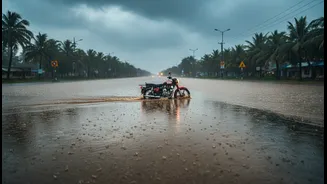
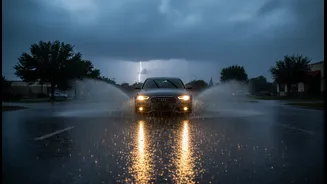
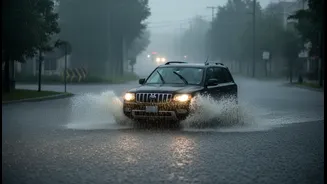
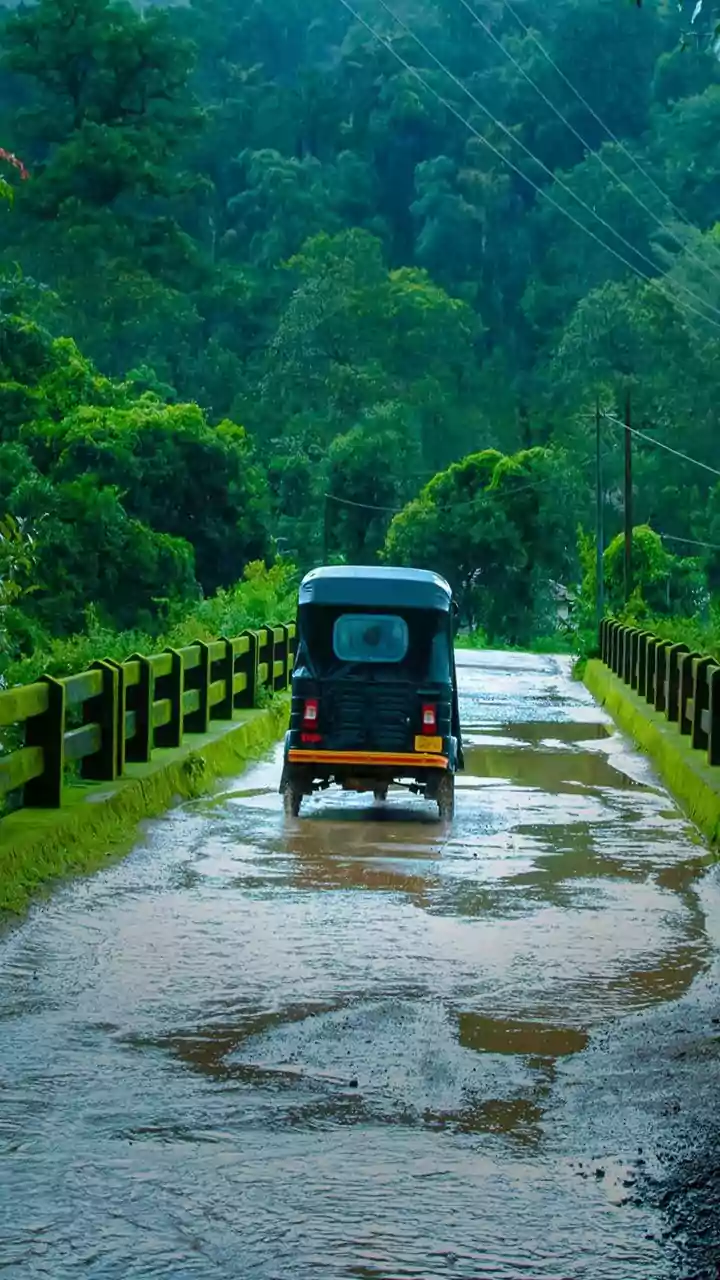
Encountering a flooded street is one of the biggest risks. The primary rule is simple: if you can't determine the depth, don't attempt to cross. It’s always better to turn back or wait. As a rule of thumb, avoid driving through water that is more than 10-15 cm deep—roughly the height of your ankle. Deeper water can get into your car's engine, causing catastrophic and expensive damage. If you decide it's safe to cross, engage a low gear (first or second) and maintain a steady, low speed with higher engine revs. This creates a bow wave that helps keep water out of the engine bay and prevents stalling. Avoid stopping or accelerating suddenly. Once you're through, gently tap your brakes a few times to dry them out and ensure they are working correctly.
Combating Poor Visibility: Seeing and Being Seen
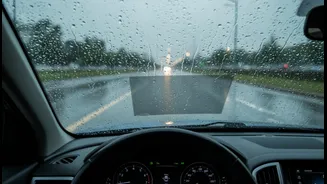
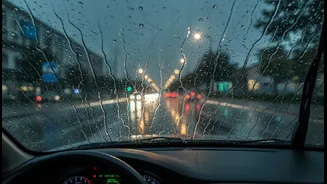
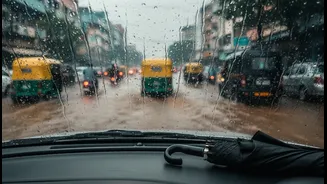
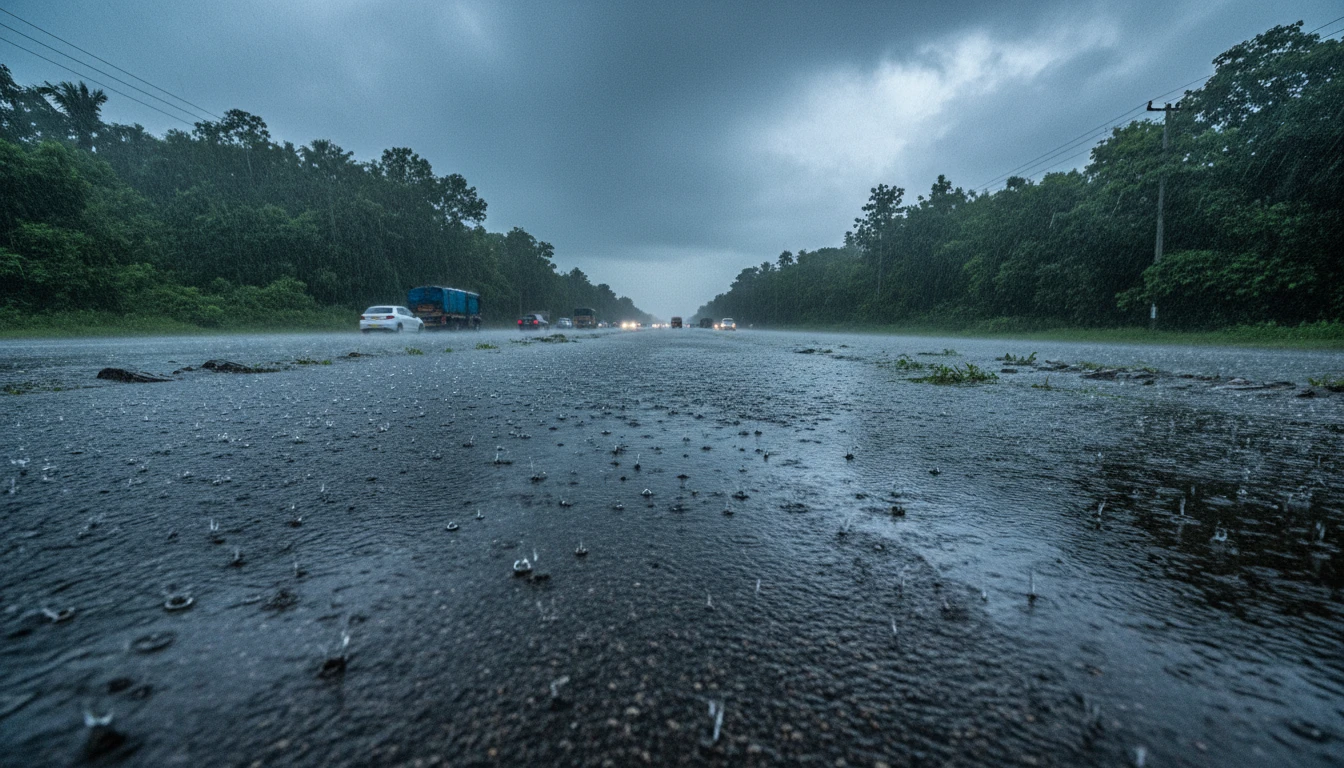
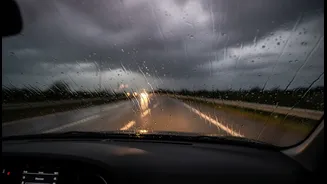
Heavy rain and fog drastically reduce visibility. Your first step should always be to slow down and increase the distance between you and the vehicle in front—stopping distances can more than double on wet roads. Turn on your low-beam headlights, not your high beams. High beams reflect off the rain and fog, creating glare and making it even harder to see. Inside the car, humidity can cause your windows to fog up instantly. Use your air conditioner and the defogger setting to keep the windscreen clear. If your car has a rear defogger, ensure it's working before the season starts. For two-wheeler riders, a helmet with a clear, clean, and anti-fog visor is crucial. Wearing brightly coloured or reflective rain gear will also make you more visible to other motorists.
Special Precautions for Two-Wheelers
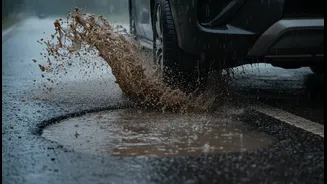
Riders of motorcycles and scooters are far more exposed during the monsoon. Slippery roads from oil and grime washed out by the first rains demand a gentle touch. Reduce your speed, brake gradually using both brakes, and avoid sudden movements. Potholes hidden by puddles are a major hazard; try to avoid puddles where possible. If you must ride through a waterlogged patch, do so slowly and steadily without braking. Your gear is critical. A full-face helmet, waterproof riding boots, and gloves with good grip are essential. A high-visibility raincoat not only keeps you dry but also makes you more noticeable in low-light conditions. Maintaining a greater distance from other vehicles is also key, as braking efficiency is reduced on wet surfaces.
The Monsoon Emergency Kit: What to Keep in Your Car
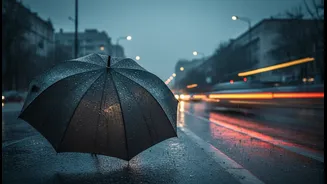
Getting stranded is a real possibility during the monsoon. A well-stocked emergency kit can make a huge difference. Your kit should contain both safety and comfort items. Essential safety gear includes a reflective warning triangle, a high-visibility vest, and a powerful, waterproof torch with spare batteries. Jumper cables and a basic tool kit or a tow strap can also be lifesavers. For personal needs, always keep a few bottles of drinking water and some non-perishable snacks like energy bars. An umbrella, a raincoat, a change of clothes, and a towel are also wise additions. Finally, ensure your phone is always charged and keep a power bank handy.