




A New Vision for Tourism
Parvathipuram Manyam, a district known for its rugged hills and dense forests, is reimagining its identity. The local administration is spearheading an initiative to transform the region into a vibrant hub for tourism that goes beyond mere sightseeing.
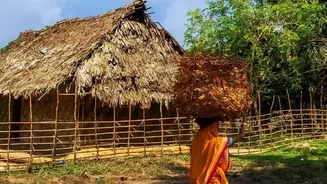
The core idea is to create a sustainable model where adventure and eco-tourism directly contribute to the well-being of local tribal communities and the conservation of natural resources. This approach has already garnered national recognition for its innovative and community-centric focus. Instead of large, disruptive projects, the development is community-led, with local Adivasis often taking the lead in creating access to remote areas, using their traditional knowledge to build infrastructure like bamboo bridges with minimal environmental impact.
The Land of Waterfalls and Adventure
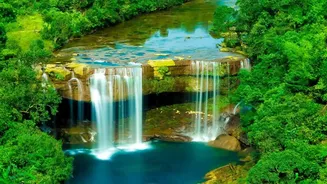
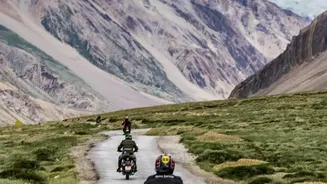
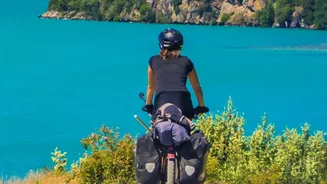
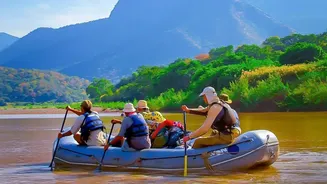
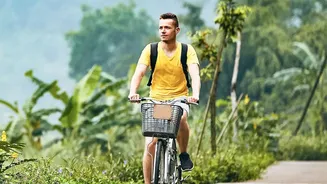
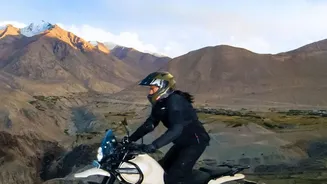
The district is being branded as the “Home of Waterfalls,” and for good reason. At least 16 waterfalls, previously hidden gems due to inaccessibility, are now being developed as key attractions. Places like Lodda Waterfall, with its 100-foot cascade, and the popular Moganali Waterfall are drawing significant crowds from across Andhra Pradesh and Odisha. But the experience is more than just visual. Adventure activities are being integrated to appeal to thrill-seekers. These include trekking through lush forest trails, natural rock climbing, and swimming in designated safe zones. Rope-assisted climbing has been introduced at some waterfalls to enhance the sense of adventure. The winding ghat roads are also proving popular with motorcycle enthusiasts and cyclists, prompting the administration to plan dedicated 'bike tourism' circuits.
Empowering Local Communities
A central pillar of this initiative is ensuring that the economic benefits reach the local tribal population. One of the most successful aspects has been the creation of bike taxi services, where Adivasi youth ferry tourists on motorcycles to remote waterfalls that are otherwise difficult to reach. This not only provides a convenient service for visitors but also creates direct employment and a sense of ownership for the local youth. The administration has supported this by training local guides, including providing first aid training to ensure visitor safety. Furthermore, local communities are setting up food stalls, shops selling local fruits and handicrafts, and other amenities, with plans for financial assistance to help them operate these small businesses.
Culture and Conservation at the Core
This tourism model emphasizes deep respect for the region's cultural heritage and natural environment. To showcase the traditions of the local tribes, a tribal museum is being established in the Seethampet area. This allows visitors to gain a deeper appreciation for the communities they are visiting. The district administration and local communities are also focused on conservation. By promoting tourism, they create a direct economic incentive to protect the forests and waterfalls. Efforts are being made to ensure key areas remain plastic-free zones, safeguarding the pristine environment that attracts visitors in the first place. This community-led conservation, where locals help monitor and protect biodiversity, is a key component of the project's long-term vision.