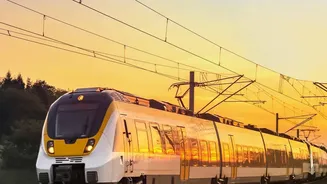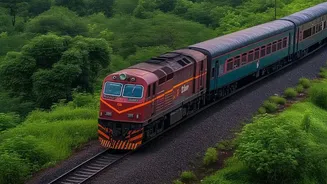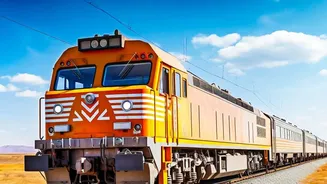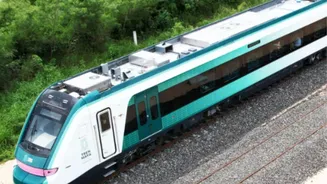

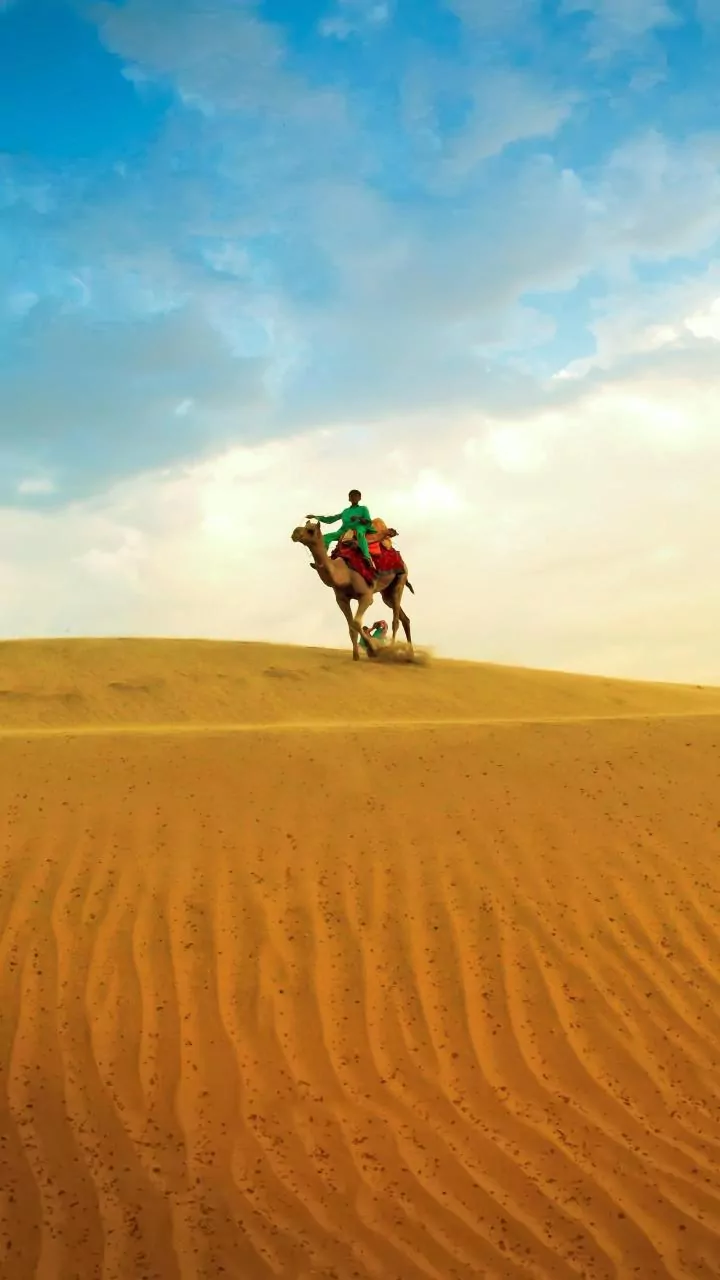
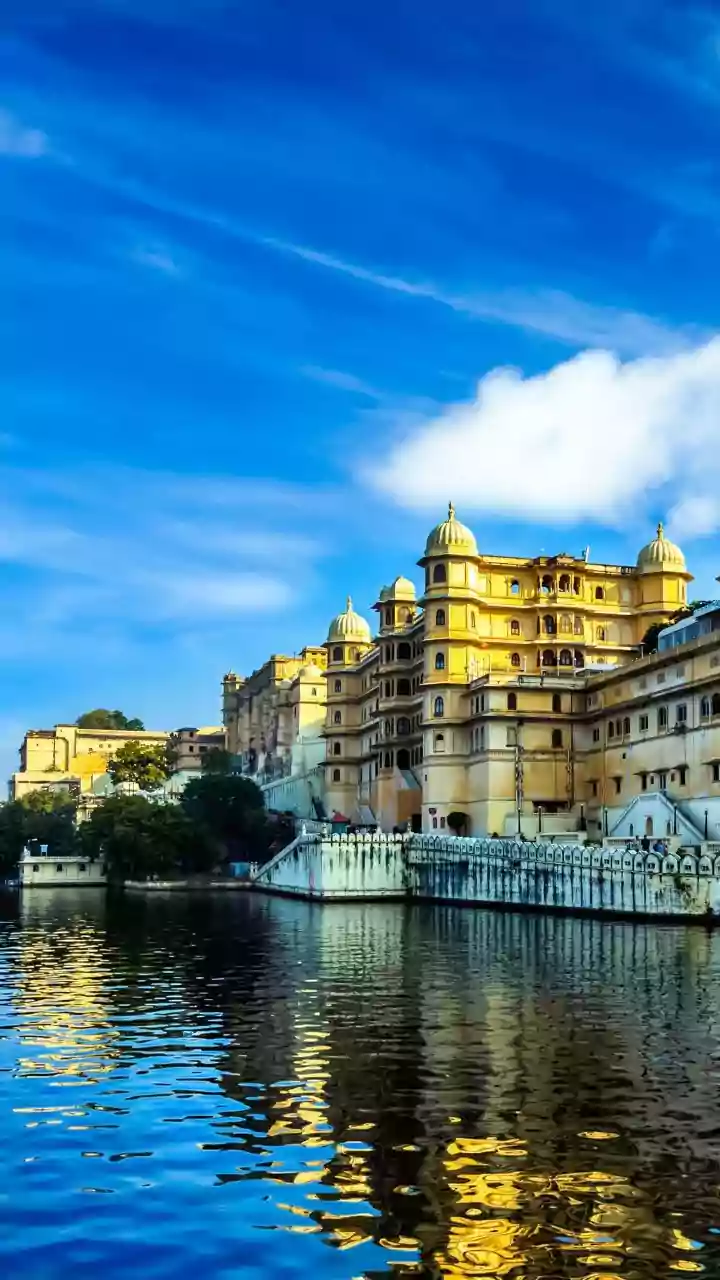
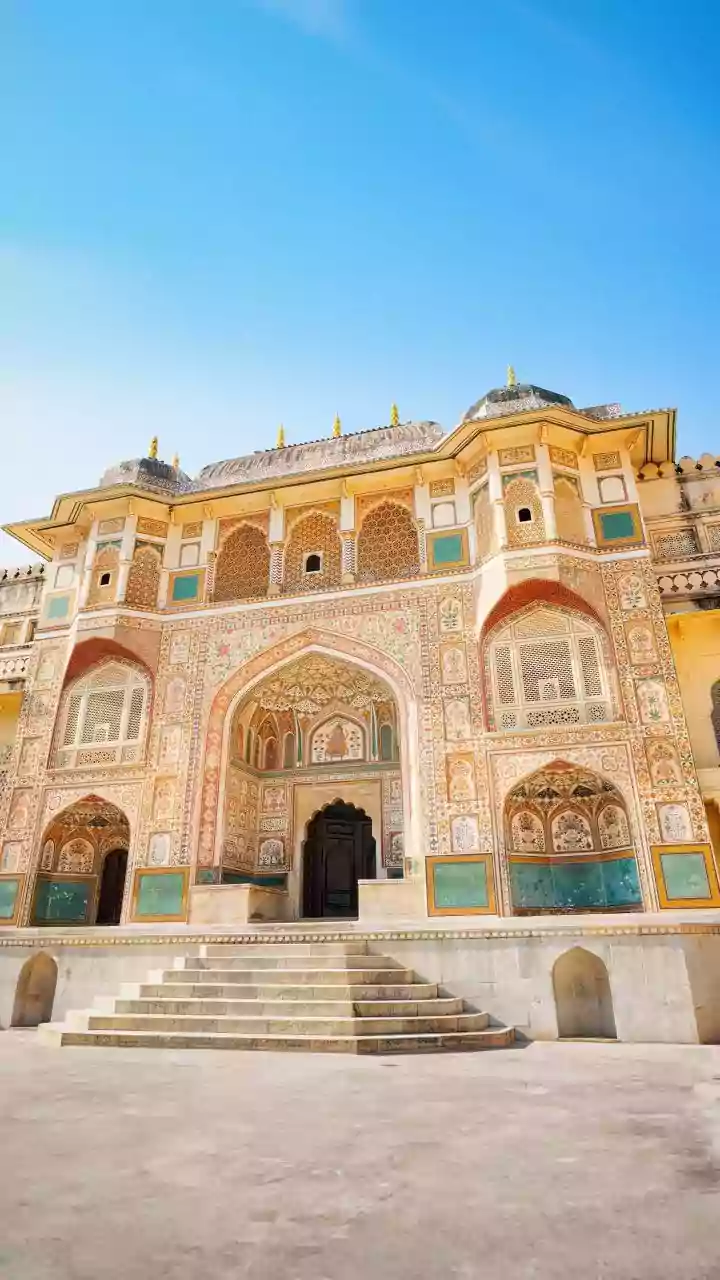
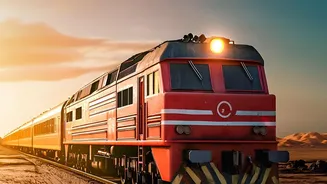
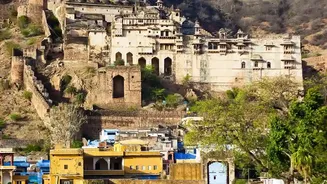
Rajasthan's vast, colourful landscape draws millions, but traversing it has often meant long hours on the road or in conventional trains. Now, the expansion of the Vande Bharat Express network is rewriting the rules of travel in the Desert State.
The Expanding Network in Rajasthan
The phrase
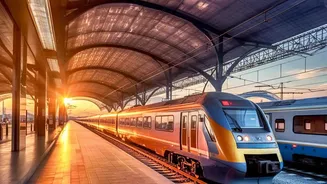
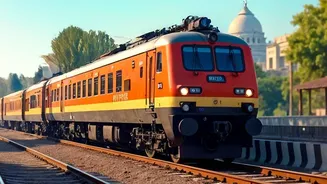
'another rail travel option' is key, as Rajasthan is now served by multiple Vande Bharat routes, connecting its major cities to each other and the rest of India. The first service for the state was the Ajmer-Delhi Cantt route, launched in April 2023. Since then, the network has grown significantly. As of late 2026, routes connect key hubs like Jodhpur to Sabarmati (Ahmedabad), Bikaner to Delhi, and Ajmer to Chandigarh (via Jaipur and Delhi). A newer service also links Udaipur with Surat via Ahmedabad. This growing web of semi-high-speed trains is creating a new paradigm for tourists, pilgrims, and business travellers, making the state more accessible than ever. For instance, the Jodhpur-Delhi Cantt train's capacity was more than doubled from 8 to 20 coaches in May 2026 to meet rising demand, a testament to its popularity.
What Makes Vande Bharat Different?
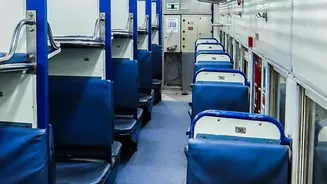
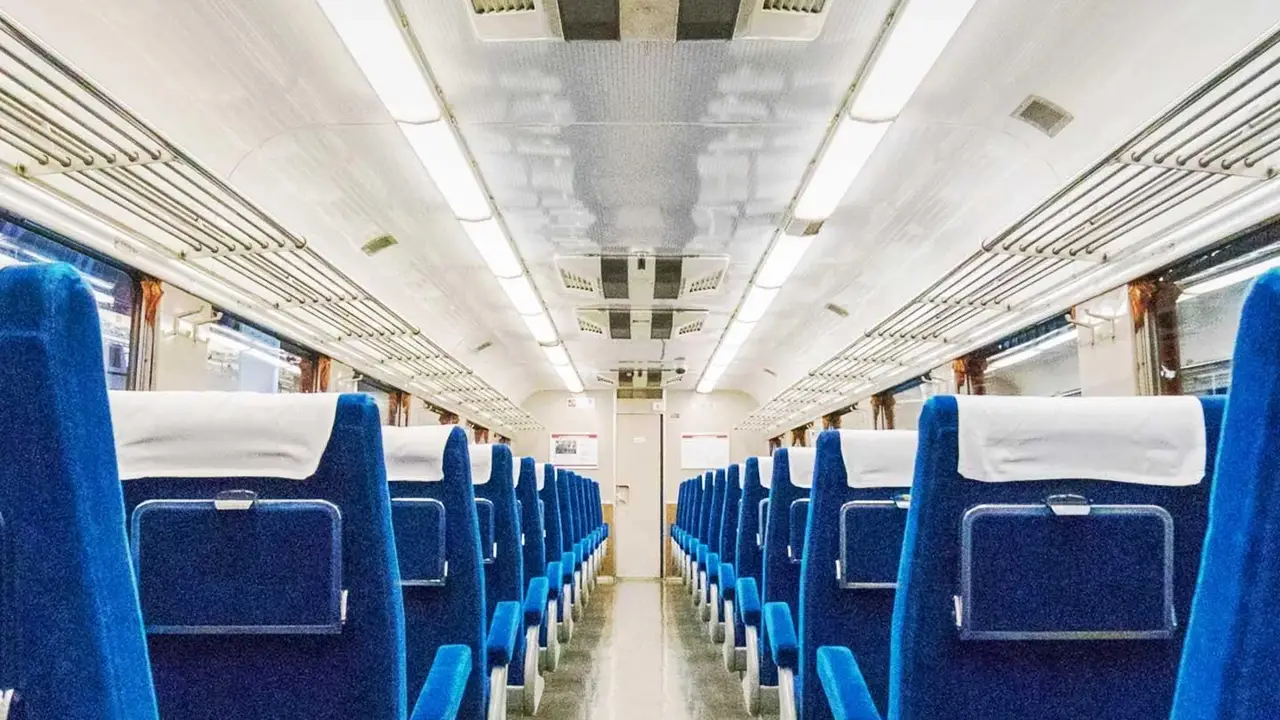
The Vande Bharat isn't just another train; it's a significant upgrade in passenger experience. Designed and manufactured in India, these self-propelled trainsets do not have a separate locomotive, allowing for faster acceleration and deceleration. For passengers, this translates to a premium, airline-like experience with amenities such as spacious and rotatable seats, large windows for panoramic views, onboard Wi-Fi, and an infotainment system. The trains are fully air-conditioned, feature modern bio-toilets, and have CCTV cameras for enhanced security. Onboard catering is also a major feature, with meals and snacks included in the ticket price for most classes, though passengers can opt out. This focus on comfort and modern facilities is a world away from conventional train travel.
Slashing Travel Times, Boosting Connectivity
The most significant advantage of the Vande Bharat service is speed. The Ajmer-Delhi Cantt Express, for example, reduced the journey time by about 60 minutes compared to the fastest Shatabdi Express on the same route. The Jodhpur-Sabarmati train covers the 449-kilometer distance in just six hours, a journey that can take much longer by road. Similarly, the Bikaner-Delhi service has made the trip to the national capital significantly faster and more comfortable for residents of the Shekhawati region. These time savings are crucial. For tourists, it means more time for sightseeing at destinations like Pushkar, Ajmer Sharif Dargah, or the forts of Jaipur. For business travellers and those seeking medical care or education in cities like Delhi or Ahmedabad, it provides a reliable and efficient travel option.
A Unique Journey Through the Landscape
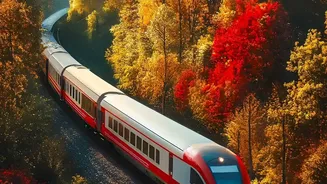
Beyond its speed and comfort, some Vande Bharat routes in Rajasthan offer a unique visual experience. The Delhi Cantt - Jodhpur Express, for example, passes through the Sambhar Salt Lake, India's largest inland salt lake. For a few moments, passengers are treated to a surreal, shimmering landscape that looks almost otherworldly. This meeting of modern railway engineering with ancient natural beauty provides a memorable experience, turning a simple train journey into a part of the destination itself. This unique corridor highlights how modern infrastructure can coexist with and even enhance the appreciation of a region's natural heritage.
The Future of Rail Travel in the State
The expansion of Vande Bharat services is part of a broader push to modernise railway infrastructure across Rajasthan. Redevelopment projects are transforming stations like Jaipur and Jaisalmer to reflect local culture and heritage while providing worldclass amenities. Looking ahead, there is already talk of introducing Vande Bharat Sleeper trains for overnight journeys, with a Delhi - Ahmedabad route via Jaipur and Ajmer being a strong possibility. These services would offer a premium, high - speed alternative for long - distance overnight travel, further integrating Rajasthan's economy with the national grid. The continuous addition of new routes and upgrading of existing ones signal a clear direction : rail travel in the Desert State is becoming faster , more comfortable , and better connected.