





Tyres: Your First Line of Defence
Your tyres are the single most critical point of contact between your car and the slick, wet asphalt. During the monsoon, their role becomes even more vital. Worn-out tyres with insufficient tread depth are a major hazard, as they can't effectively channel
water away. This can lead to aquaplaning, where a layer of water builds up between the tyres and the road surface, causing a sudden loss of traction and control. Before the rains set in, inspect your tyre tread. Most tyres have built-in tread wear indicators—small raised bars in the grooves. If the tread is level with these bars, it's time for a replacement. Also, ensure you maintain the correct tyre pressure, including for the spare wheel, as improper inflation affects braking, handling, and stability on wet roads.
Brakes: The Ultimate Safety Net
Effective brakes are non-negotiable for safe monsoon driving. Wet conditions can significantly increase your vehicle's stopping distance. Brake pads and discs that seem adequate in dry weather may feel dangerously insufficient in a downpour. If you feel a judder, hear squeaking noises, or notice a spongy feel in the brake pedal, get your braking system inspected by a professional immediately. The brake fluid should also be checked; if it's dark, it may have absorbed moisture and lost its effectiveness, which is especially risky in stop-and-go traffic. After driving through a waterlogged area, it's a good practice to gently tap your brakes a few times to help dry out the components and restore their normal function.
Visibility: See and Be Seen
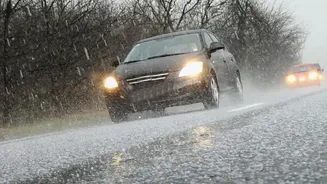
In heavy rain, visibility can drop dramatically. Your car's wipers and lights are crucial for seeing the road ahead and for other drivers to see you. Wiper blades often harden and crack during the intense Indian summer, leaving them ineffective for the monsoon. If your wipers leave streaks, make chattering noises, or fail to clear the windshield properly, replace them. It's a small, inexpensive fix that makes a huge difference. Also, top up your windshield washer fluid. Equally important are your lights. Walk around your car and test the headlights (both high and low beams), tail lights, brake lights, and indicators. In low-visibility conditions, having fully functional lights is a fundamental aspect of road safety.
Electricals and Battery: Keep Moisture Out
Water and electricity are a dangerous mix. The high humidity and potential for water splashes during the monsoon can wreak havoc on your car's electrical systems. Have a mechanic check the wiring, especially in the engine bay, for any exposed or frayed cables that could lead to a short circuit. The battery also comes under more strain during this season due to the increased use of lights, wipers, and the AC for demisting. Check the battery terminals for any signs of corrosion and ensure all connections are tight and secure. An old or weak battery is more likely to fail in damp weather, leaving you stranded.
Body and Underbody: Guard Against Rust
The constant exposure to moisture, mud, and grime makes the monsoon a prime season for rust. Scratches and dents in the paintwork can become entry points for corrosion. Before the season starts, it's wise to get any such damage repaired. For added protection, consider an anti-rust coating for your car's underbody, which is constantly splashed with water and dirt. Also, check the rubber seals around your doors and windows. If they are cracked or hardened, they can allow water to seep into the cabin, leading to damp interiors, musty smells, and potential damage to internal electronics.
The Interior and an Emergency Kit
Preparing the inside of your car is just as important. To combat the musty odours that often accompany high humidity, ensure your AC is working correctly and the cabin filter is clean. Switching from fabric floor mats to rubber or 3D mats will make it much easier to deal with wet and muddy footwear. Finally, assemble a monsoon emergency kit. This should include a tow rope, jumper cables, a flashlight with extra batteries, a first-aid kit, a puncture repair kit, and a reflective warning triangle. Having these items on hand can be incredibly useful if you find yourself in a difficult situation on the road.