








Better Blood Sugar Control
One of the most significant benefits of a post-dinner walk is its effect on blood sugar. After you eat, especially a meal rich in carbohydrates, your blood glucose levels naturally rise. [4] Physical activity helps your muscles use this glucose for energy,
drawing it out of the bloodstream. [1, 3] This process helps prevent sharp spikes in blood sugar. Studies have shown that even a brief walk of just two to five minutes after a meal can have a positive impact. [5] Research suggests walking after a meal is more effective for blood sugar management than walking before. [1, 2] This simple habit can be particularly beneficial for individuals managing pre-diabetes or diabetes, but it helps everyone maintain more stable energy levels. [9]
Aids Digestion and Reduces Bloating
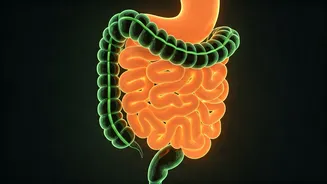
Movement stimulates the stomach and intestines, helping food move through your digestive system more efficiently. [2, 5] This gentle stimulation can be a powerful tool against common post-meal discomforts like bloating and gas. [2, 3] Research has found that a 10 to 15-minute walk after meals helped reduce these symptoms in people who frequently experience them. [2, 13] Unlike vigorous exercise, which can sometimes divert blood flow away from the digestive system, a light walk supports the process, promoting smoother digestion and helping to prevent that heavy, sluggish feeling. [3, 4]
Supports Heart Health
While any regular walking is good for your heart, incorporating it after meals can contribute to better cardiovascular health. Consistent physical activity is linked to lower blood pressure and reduced levels of LDL (bad) cholesterol. [2] Some studies show that several short walks throughout the day can be effective at lowering blood pressure. [5] By helping to stabilize blood sugar and reduce metabolic stress, post-meal walks can also lower long-term cardiovascular risk by reducing vascular stress and inflammation. [8]
Can Contribute to Weight Management
While a short walk won't single-handedly lead to major weight loss, it's a valuable piece of the puzzle. Walking burns calories, and making it a consistent habit after your evening meal contributes to your daily energy expenditure. [1] This can help you maintain or reach a calorie deficit over time. [1, 2] Furthermore, some experts note that a post-meal walk can help with appetite regulation, potentially reducing the desire for late-night snacking. [1] Some research even suggests that breaking up a longer walk into several shorter ones throughout the day may be more effective for weight management. [1]
Improves Sleep and Mood
A gentle evening walk can be a wonderful way to unwind and prepare your body for rest. Light physical activity can help regulate your body's natural sleep-wake cycle. [1] Exercise also prompts the release of positive hormones like endorphins, which can reduce stress and elevate your mood. [5, 13] By easing digestion and preventing the discomfort that can come from lying down with a full stomach, a walk can help you fall asleep more easily and enjoy more restorative rest. [1]
How to Get Started
The great news is that you don't need an intense or long walk to reap the rewards. Many benefits can be seen with just 10 to 15 minutes of light-to-moderate walking. [4, 7] The ideal time to start is within about 30 minutes of finishing your meal. [1, 4] The pace should be comfortable, allowing you to hold a conversation without getting out of breath. [7] If you experience any discomfort, try waiting 10 or 15 minutes after eating before you start. [2] The key is consistency, so start with a duration that feels achievable and make it a regular part of your evening routine. [7]