





Setting the Timeline Straight
While the ambition is high, the timelines are methodical. The journey to the space station, officially named the Bharatiya Antariksh Station (BAS), is paved by the Gaganyaan programme, which is developing India's human spaceflight capabilities. Recent
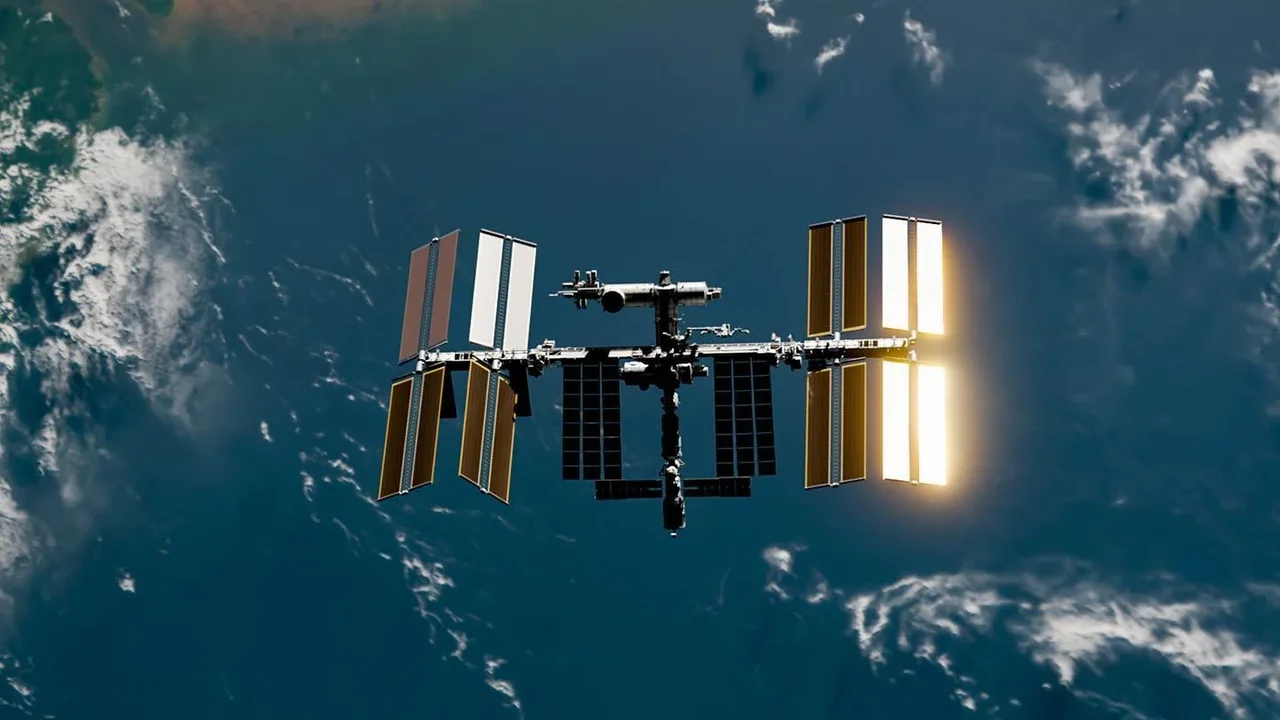
government announcements clarify that the first module of the BAS is targeted for launch by 2028, with the full, five-module station expected to be assembled and operational by 2035. The year 2026 is significant as it falls within this critical development phase, with uncrewed Gaganyaan test flights paving the way. The station itself, a 52-tonne laboratory, will orbit at an altitude of about 400-450 kilometres, providing a home for astronauts for up to six months at a time.
A Laboratory Above the Clouds
The primary purpose of having a space station is science. The BAS will serve as a permanent laboratory in microgravity, an environment impossible to replicate on Earth for extended periods. This unique setting allows for groundbreaking research in multiple fields. Scientists will study the long-term effects of space on the human body, including muscle atrophy and bone density loss, which is crucial for planning longer missions. Furthermore, it will be a hub for research in pharmaceuticals, advanced materials science, fluid physics, and biotechnology, potentially leading to innovations that benefit industries back on Earth.
The Gateway to Deeper Space
The Bharatiya Antariksh Station is not just an orbital outpost; it's a vital stepping stone for India's grander deep-space ambitions. Operating a space station is the ultimate test of technologies required for long-duration missions, including advanced life-support systems, in-space manufacturing, and orbital docking and assembly. The experience gained from building and managing the BAS will be invaluable for future crewed missions to the Moon, which India aims to achieve by 2040, and eventually to Mars. The station will act as a testbed, a training ground for astronauts, and a logistics hub, making it an indispensable piece of infrastructure for exploring the solar system.
A Symbol of a Self-Reliant India
Building and operating a space station is a feat achieved by only a handful of nations, placing India in an exclusive global club. This project is a powerful statement of the country's technological sovereignty and self-reliance ('Atmanirbhar'). By having its own platform for research and technology demonstration, India reduces its dependence on foreign space stations. This strategic autonomy is crucial in today's geopolitical landscape, where space capabilities are increasingly linked to national power and influence. The BAS will enhance India's standing in global space governance and open new avenues for international collaboration on its own terms.
Inspiring a New Generation
Beyond the strategic and scientific goals, the impact of the Bharatiya Antariksh Station will be felt across India. Much like the historic Chandrayaan and Mangalyaan missions, the sight of an Indian-made home in orbit will inspire millions of students and young professionals. It promises to fuel interest in science, technology, engineering, and mathematics (STEM) fields, fostering a new generation of scientists, engineers, and innovators. The project will also drive growth in India’s private space industry, creating high-tech jobs and boosting the nation's space economy, which is projected to grow significantly in the coming decade.