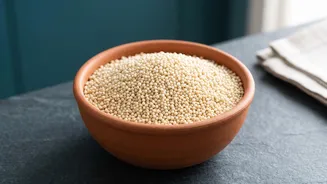




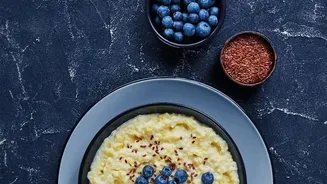
Sabudana (Sago/Tapioca Pearls)
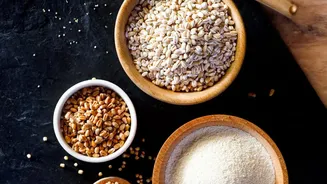
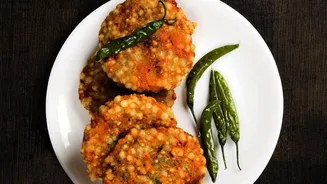
A staple in almost every household during fasting season, sabudana is a fantastic source of quick energy. These white pearls are packed with carbohydrates, which help replenish energy levels during a fast. Being naturally gluten-free and easy on the stomach,
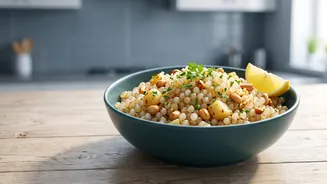
sabudana is ideal for a light yet filling meal. It is incredibly versatile and can be used to make savoury khichdi with peanuts and potatoes, crispy vadas, or a comforting kheer. For the best results, remember to soak it properly before cooking to ensure it becomes soft and translucent without getting sticky.
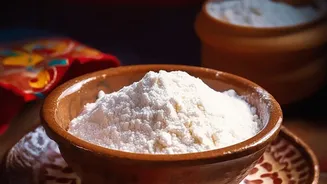
Singhara Atta (Water Chestnut Flour)
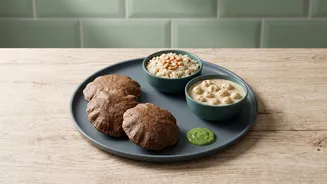
Singhara atta is another Navratri essential, made from dried and ground water chestnuts. This gluten-free flour is an excellent source of good carbohydrates and minerals like potassium, iron, and zinc. It is valued for its fibre content, which aids digestion and promotes a feeling of fullness, helping to prevent cravings for other high-calorie foods. It has a slightly dense, nutty flavour that works beautifully in traditional recipes. You can use it to prepare soft puris, parathas, or a rich, sweet halwa. Its cooling properties also make it a beneficial choice for the body during a fast.
Kuttu Atta (Buckwheat Flour)
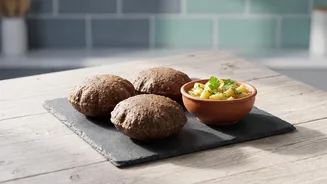
Despite its name, buckwheat is not a type of wheat but a seed, making kuttu ka atta a popular gluten-free option during Navratri. It is nutritionally superior to many regular flours, boasting high levels of protein and dietary fibre. This combination helps in maintaining muscle strength and keeps you satiated for longer. Kuttu atta also has a low glycemic index, which helps in regulating blood sugar levels by providing sustained energy rather than a quick spike. Its robust, earthy taste is perfect for making everything from crispy puris and pakoras to savoury cheelas (pancakes).
Rajgira (Amaranth)
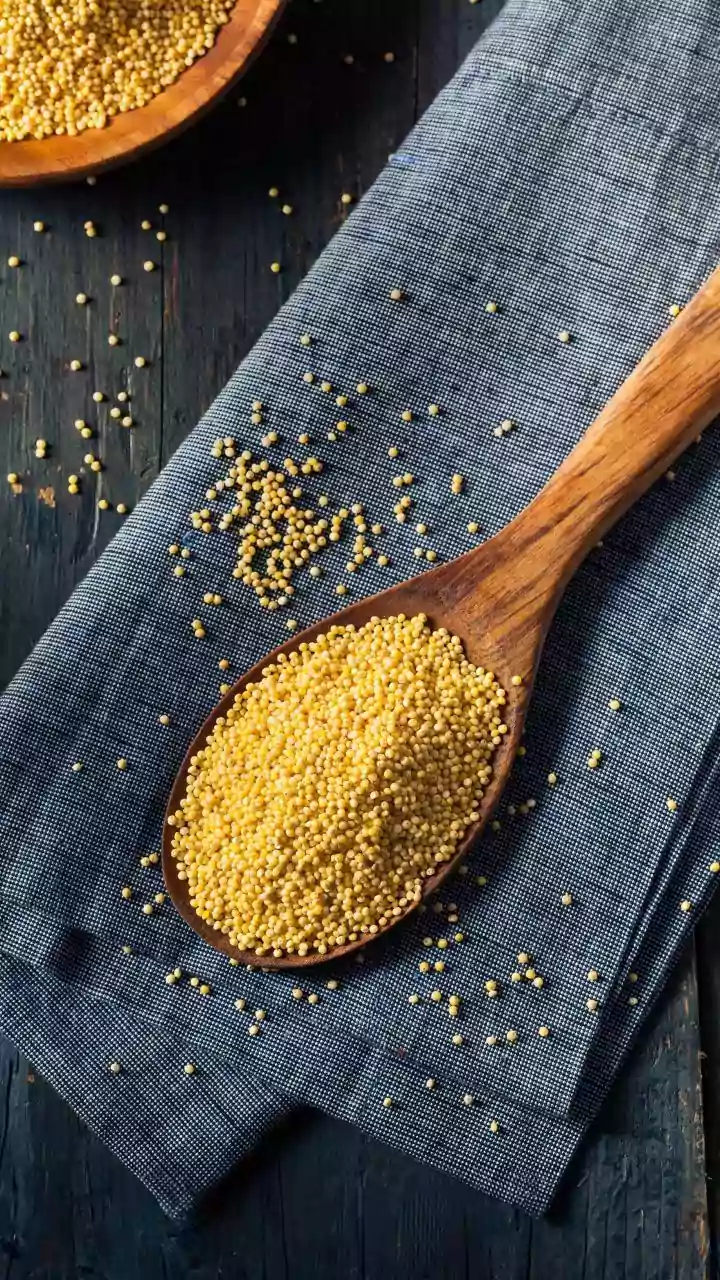
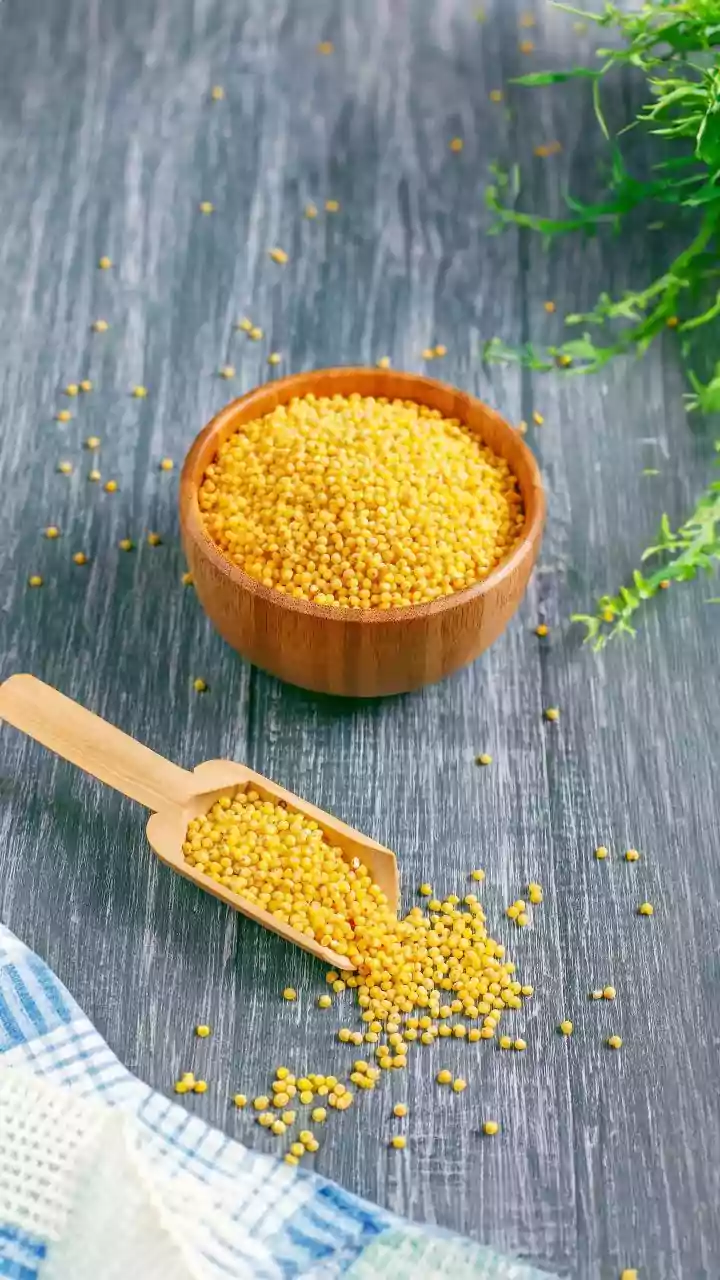
Rajgira, or amaranth, is a tiny powerhouse of nutrition and a celebrated superfood. It is considered a pseudo-grain and is permitted during Navratri fasting. Rajgira is packed with high-quality protein, including the essential amino acid lysine which is rare in plant-based foods. It is also an excellent source of calcium and iron, which are vital for maintaining bone health and energy levels. Its high fibre content promotes digestive health and helps manage weight by keeping you full. The flour can be used to make rotis and puris, while the popped seeds can be used in laddoos or enjoyed as a light snack.
Samak Ke Chawal (Barnyard Millet)
Often called 'vrat ke chawal', samak ke chawal is not a type of rice but a hardy millet. It is a wonderful grain substitute for fasting days. Nutritionally, it is light, easy to digest, and provides sustained energy, which is crucial when you are observing a fast. It's rich in dietary fibre and protein compared to many refined grains, and it is naturally gluten-free. Its low glycemic index makes it a healthy choice for maintaining stable energy levels. Samak rice is incredibly versatile; you can prepare a simple pulao with potatoes and peanuts, a creamy kheer, or even idlis and dosas for a wholesome meal.
Fruits, Vegetables, and Dairy
Beyond these grains and flours, your Navratri diet can be enriched with a variety of other foods. All fruits are permitted and are excellent for staying hydrated and getting a dose of natural sugars and vitamins. For vegetables, staples like potatoes, sweet potatoes, pumpkin, and bottle gourd form the base of many delicious 'vrat' preparations. Dairy products like milk, yogurt (curd), paneer, and ghee are also highly recommended. They provide essential protein and calcium, helping to prevent fatigue and control hunger during the nine days of fasting.