








Why Your Paper CV Is Losing Impact
For decades, the paper-based or PDF curriculum vitae has been the standard for job applications. It lists experience, skills, and education in a neat, linear format. But in an era of digital-first impressions, a static document fails to capture the dynamic
nature of your work. Recruiters and hiring managers often sift through hundreds of similar-looking resumes, spending only a few seconds on each. A traditional CV tells them what you've done, but it doesn't show them. It's unable to demonstrate your problem-solving process, showcase the visual results of a project, or convey your personality. This is where a digital portfolio creates a significant advantage, helping you stand out long before the interview stage.
What Is an Interactive Digital Portfolio?
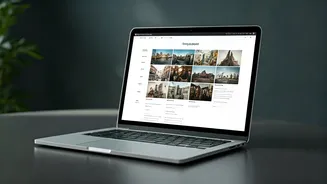
An interactive digital portfolio is a personal website or a dedicated webpage that showcases your best work. Unlike a flat PDF, it's a dynamic and engaging collection of your projects. 'Interactive' is the key word here. It means viewers can click, explore, and engage with your content. This could involve watching an embedded video of a project you led, clicking through a case study that details your process from start to finish, or exploring a gallery of your designs. It's a living document that you can update instantly, ensuring recruiters always see your latest and greatest achievements. This format turns your application from a passive list of claims into an active demonstration of your capabilities.
Building a Portfolio That Recruiters Notice
The most effective portfolios are employer-focused. Think less about what you want to include and more about what a global recruiter needs to see. Quality over quantity is the golden rule; select only your best and most relevant projects. For each project, don't just show the final product. Tell the story behind it. Explain the problem you were trying to solve, your specific role, the steps you took, and the eventual outcome. Using data to demonstrate the impact of your work—such as a 34% increase in web traffic from your articles—provides concrete proof of your value. Recruiters want to see your thinking process, so including sketches, early drafts, and explanations for your design choices can be incredibly powerful.
Key Elements to Include
A strong portfolio typically has a few core components. Start with a clean, professional layout that is easy to navigate, especially on mobile devices. An 'About Me' section should offer a brief introduction that summarises who you are and what makes you unique. The core of your portfolio is the project showcase. Organise your work into clear categories, especially if you have a diverse skill set. For each project, provide a concise description of the goal, your process, and the results. Use high-quality visuals like images, videos, and GIFs to make your work come alive. Finally, make it easy for recruiters to connect with you by including clear contact information and links to your professional social media profiles, like LinkedIn.
Choosing Your Platform
You don't need to be a coding expert to create a stunning portfolio. Numerous platforms offer user-friendly tools. Website builders like Wix, Squarespace, and Webflow provide beautiful, customisable templates with drag-and-drop interfaces. For creatives already using Adobe products, Adobe Portfolio offers seamless integration with Creative Cloud. Platforms like Behance not only host your portfolio but also offer a community for discovery. Even tools like Canva now offer simple website-building features ideal for creating a quick, targeted micro-portfolio for a specific job application. The best platform is one that fits your technical comfort level and allows your work to shine.
Sharing Your Link for Maximum Visibility
Once your portfolio is ready, you need to get it in front of the right people. The most obvious place to feature the link is on your CV and cover letter. Don't just list it; make it a call to action, for example: “To see my work in action, visit my portfolio at [Your Link]”. Add the link to your email signature and your LinkedIn profile's 'Featured' section. When you're networking online or in person, your portfolio link is a powerful tool to share. It's a simple, effective way to give potential employers a comprehensive look at what you can do for them, making their decision to invite you for an interview that much easier.