






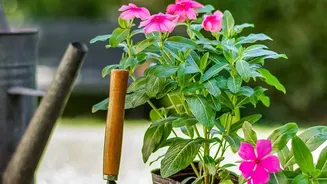
The New Definition of a Balcony Garden
For many urban dwellers, the balcony is a cherished escape. Increasingly, that escape is becoming more eco-conscious. Gardeners are moving beyond delicate, high-maintenance flowers and embracing a more practical approach. This trend is driven by a desire
for a deeper connection with nature, concerns about water conservation, and the appeal of harvesting one's own fresh, pesticide-free produce. The modern Indian balcony garden is not just about aesthetics; it's a functional space that contributes to a more sustainable urban lifestyle, helping to reduce food miles and improve local air quality.
What Makes a Plant Choice ‘Sustainable’?
Sustainability in a balcony context boils down to a few key principles. A sustainable plant is one that is well-adapted to the local climate, requiring minimal intervention to thrive. This means choosing native or drought-tolerant species that need less water. It also involves selecting plants that are naturally resistant to local pests, reducing the need for chemical sprays. Furthermore, sustainability favors multi-purpose plants—those that are edible, have medicinal properties, or attract beneficial pollinators like bees and butterflies, thereby supporting local biodiversity. The goal is to create a resilient, self-sufficient green space.
Hardy Flowers That Brave the Heat
A sustainable balcony doesn't have to sacrifice colour. Many flowering plants are perfectly suited to Indian climates and thrive in pots with minimal fuss. Bougainvillea is a classic choice, loving the sun and requiring infrequent watering once established. Marigolds (Genda) are another favourite, known for their bright blooms and pest-repelling properties. Hibiscus offers vibrant, tropical flowers and adapts well to containers with regular pruning. For those with semi-shaded balconies, Crossandra (Aboli) provides beautiful orange-hued flowers without demanding constant, direct sun. These plants offer visual appeal while being tough enough for balcony life.
The Rise of the Edible Balcony
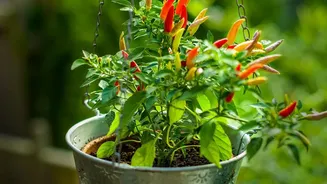
One of the most significant shifts in urban gardening is the focus on growing food. Balconies across India are being transformed into miniature farms, providing fresh ingredients for the kitchen. Tomatoes, green chillies, and curry leaves (Kadi Patta) are among the easiest and most popular choices for sunny spots. Leafy greens like spinach (Palak) and herbs such as mint (Pudina) and coriander (Dhania) grow quickly in containers and can be harvested repeatedly. Growing your own produce not only ensures it is fresh and organic but also significantly cuts down on your carbon footprint by reducing reliance on transported goods.
Smart Practices for a Greener Thumb
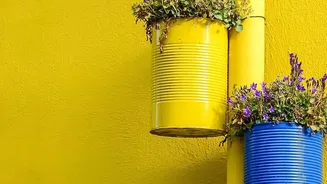
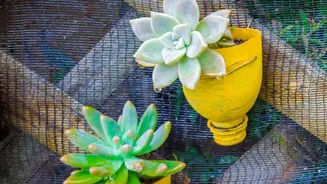
Sustainability extends beyond just the plants you choose. Smart gardening practices are essential for creating a truly eco-friendly balcony. Using kitchen scraps to create your own compost enriches the soil naturally, eliminating the need for chemical fertilisers. Grouping plants with similar water and light needs (companion planting) makes maintenance more efficient. Techniques like mulching help the soil retain moisture, reducing the frequency of watering. For pest control, many gardeners turn to natural solutions like neem oil spray. Maximising vertical space with hanging pots and wall-mounted planters allows you to grow more in a small footprint, creating a lush, productive oasis.