






The Daily Crush: A System Under Strain
Every day, over three million people travel on Mumbai's Western Railway line alone, part of a suburban network that serves more than six million commuters daily. For years, this lifeline has been stretched to its breaking point. The core of the problem
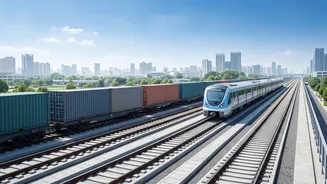
is mixed traffic: passenger locals, long-distance mail/express trains, and slow-moving freight services all share the same limited tracks. This shared usage creates a bottleneck, leading to frequent delays, speed restrictions, and the infamous 'super-dense crush load' conditions that Mumbaikars have been forced to normalise. With freight trains often getting lower priority, their presence on the main lines slows down the entire system, directly impacting the punctuality and frequency of the local trains that are the city's heartbeat.
Enter the Freight Superhighway
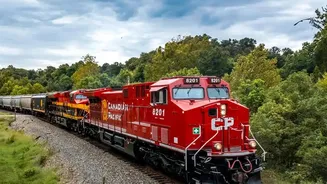
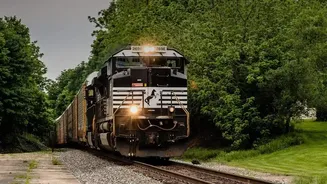
The game-changer is the Western Dedicated Freight Corridor (WDFC), a monumental infrastructure project creating a 1,506-km, high-capacity railway track exclusively for goods trains. Stretching from Uttar Pradesh to Jawaharlal Nehru Port (JNPT) in Navi Mumbai, this freight superhighway is designed to completely separate goods movement from passenger traffic. By diverting freight trains onto their own dedicated, double-line electrified tracks, the WDFC allows them to run at speeds of up to 100 km/h, nearly double their current average. The final sections of this corridor were inaugurated in September 2026, marking the full operational launch of a project nearly two decades in the making.
The Decongestion Dividend for Commuters
The single biggest benefit for Mumbai's commuters is the 'decongestion dividend'. With freight trains no longer clogging the suburban lines, immense capacity is freed up. Railway officials explain that on stretches like the one beyond Vasai Road, all trains—local, express, and goods—currently run on just two tracks. Shifting freight to the WDFC untangles this complex web. According to railway authorities, this separation provides the additional capacity needed to run more passenger trains, a crucial step toward easing congestion. It effectively gives the suburban network precious breathing room, allowing planners to optimize schedules for passenger services without having to work around the movement of heavy goods trains.
More Trains, Better Punctuality
This newfound capacity translates directly into tangible benefits. With the tracks clear, the Western Railway can introduce more local services, significantly reducing the headway—or time gap—between trains, especially during peak hours. This could mean an end to the desperate wait on packed platforms as another overflowing train departs. Furthermore, punctuality is set to improve dramatically. Delays caused by signal holds for passing freight trains will become a thing of the past. This increased reliability and frequency will not only make the daily journey faster but also more predictable. These improvements are part of a larger overhaul that includes quadrupling lines in critical sections like Virar-Dahanu and introducing 238 new air-conditioned rakes by 2030 to enhance comfort.
A Safer and More Comfortable Journey
Beyond speed and frequency, the impact on quality of life is profound. Overcrowding is a major cause of accidents on the suburban network. By increasing the number of services, the number of commuters per train can be reduced, leading to a safer and more dignified travel experience. Fewer people packed into each compartment means less risk of falling from running trains and a more comfortable journey for everyone. The WDFC, by enabling a more efficient suburban network, is therefore a critical piece of the puzzle in making Mumbai's lifeline not just faster, but fundamentally safer for the millions who depend on it every single day.