





From Reactive Repairs to Proactive Planning
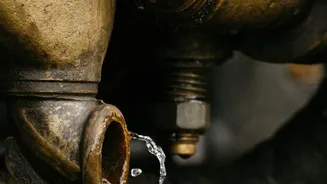
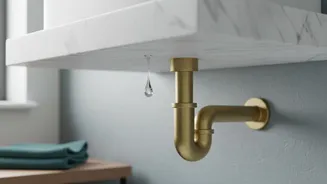
Managing a rental property often feels like a series of unexpected fire drills, with leaks being a common and costly culprit. A small drip under the sink or a blocked gutter can lead to significant water damage, mould growth, and unhappy tenants if left
unaddressed. The solution is to move away from this reactive model. A structured maintenance calendar turns upkeep from a chaotic emergency response into a predictable, manageable routine. By planning tasks seasonally, you can address potential issues before they become crises. This not only saves you money on expensive emergency callouts and repairs but also extends the life of your property's core systems, preserves its value, and fosters a better relationship with your tenants.
The Pre-Monsoon & Summer Audit (April – June)
As the heat builds and the monsoon approaches, your focus should be on preparing for the intense weather ahead. This is the ideal time for a thorough inspection of the property's exterior. Check the roof for any damaged or missing tiles and ensure that all flashing is secure. Gutters and drains must be cleared of leaves and debris to prevent blockages that can cause water to overflow and seep into the walls or foundation. Inspect seals around windows and doors, reapplying caulk where needed to prevent rainwater from getting in. This is also the perfect time to service air conditioning units before the peak summer demand strains the system. Inside, check for any slow-draining sinks or showers, as this can indicate a bigger blockage waiting to happen.
Monsoon & Mid-Year Check-Up (July – September)
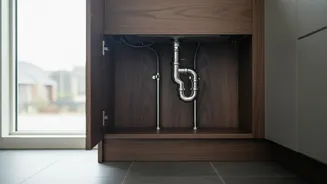
The monsoon season is the ultimate test of your home's waterproofing. During these months, your role is more about monitoring than major overhauls. After heavy rainfall, do a quick visual check for any new signs of water ingress, like damp patches on ceilings or walls. Encourage your tenants to be your eyes and ears, and make sure they have a simple way to report any issues immediately. Good ventilation is crucial during this humid period to prevent mould growth. Ensure exhaust fans in kitchens and bathrooms are working correctly. This is also a good time for a semi-annual check on plumbing under sinks and around toilets to catch any minor drips that may have started.
Post-Monsoon & Pre-Winter Prep (October – December)
Once the rains have subsided, it’s time to assess any impact and prepare for the cooler, drier months. Conduct another thorough inspection of the exterior, paying close attention to any paint that may have started to peel or bubble due to moisture. Clean the gutters again, as they will likely be filled with debris from the monsoon. This is also a critical time to service the heating system, especially the water heater. Flushing the water heater annually removes sediment buildup, which improves efficiency and can prevent corrosion and leaks. Inside, it is a good time to check on grout and caulking in bathrooms, which can degrade with constant moisture exposure.
Year-Round Diligence (January – March)
The beginning of the year is perfect for planning and tackling indoor tasks. Test all smoke and carbon monoxide detectors, replacing batteries as needed. This is also a good time to create a clear communication plan with your tenants, educating them on how to spot and report leaks promptly. Develop a list of trusted plumbers and contractors and have their contact information readily available. This way, if a leak does occur, you can act swiftly without a last-minute scramble. Your calendar should include monthly reminders for quick tasks, such as checking for visible leaks under sinks and testing that all taps and fixtures are working correctly without dripping. This constant, low-level vigilance is what prevents small drips from becoming big disasters.