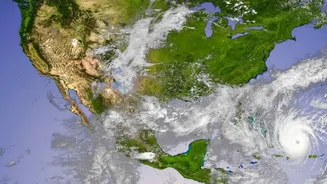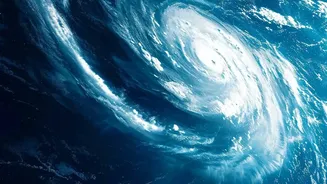


Thousands of kilometres away in the Pacific Ocean, a significant weather event is unfolding. Scientists are tracking a major El Niño, a phenomenon with the power to disrupt global climate patterns, and India is watching closely.
What Exactly Is El Niño?
El Niño, Spanish for 'the
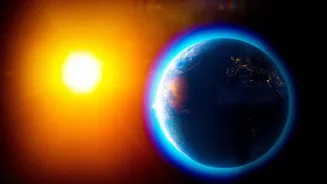
little boy', is a naturally occurring climate pattern associated with the warming of the ocean surface in the central and eastern tropical Pacific Ocean. Under normal conditions, trade winds blow west along the equator, pushing warm water from South America towards Asia. During an El Niño, these trade winds weaken, and the warm water is pushed back east, towards the west coast of the Americas. This large mass of warm water releases a tremendous amount of heat into the atmosphere, which in turn alters wind and rainfall patterns across the globe. These events are not new, typically recurring every two to seven years, but their strength can vary wildly, from weak and barely noticeable to powerful and disruptive.
Why This Year Is 'Major'
The current El Niño is not just a regular cycle; it's being classified as 'strong' to 'very strong'. Scientists at international agencies like the US National Oceanic and Atmospheric Administration (NOAA) have noted that this event is tracking alongside some of the most powerful El Niños on record, such as the ones in 1997-98 and 2015-16. The key metric is the sea surface temperature anomaly—how much warmer the water is than average. In October 2026, some regions showed temperatures more than three degrees Celsius above normal. There is a high probability—over 79%—that these strong conditions will persist through March 2027. Some forecasts even suggest a 60% chance it could become the strongest El Niño since records began in 1950.
The Critical Link to India's Monsoon
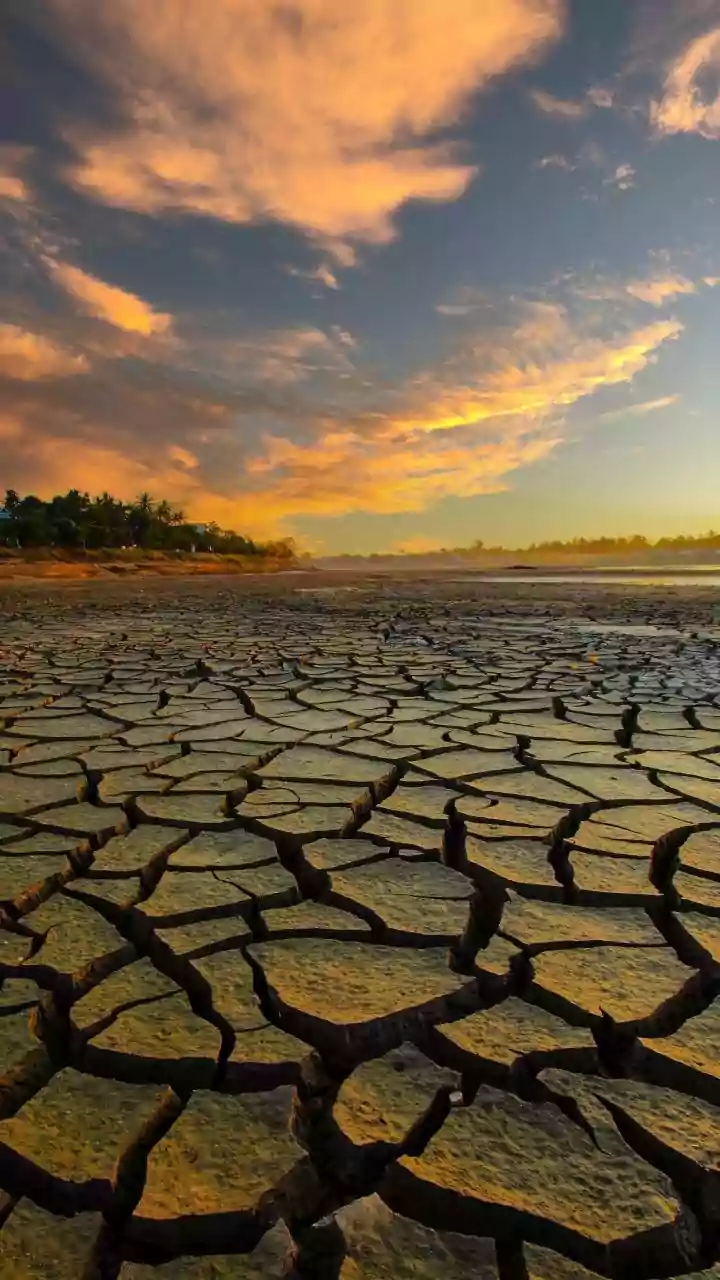
For India, an El Niño event is a significant cause for concern, primarily because of its historical correlation with a weaker southwest monsoon. The monsoon is the lifeblood of the country's agriculture-dependent economy. The atmospheric changes caused by El Niño can suppress the formation of rain clouds over the subcontinent, leading to deficient rainfall and drought-like conditions. While a strong El Niño doesn't automatically guarantee a poor monsoon, it significantly increases the odds. India's 2026 southwest monsoon already recorded a rainfall deficit. This connection makes tracking El Niño's strength a national priority, influencing everything from agricultural planning to water management strategies.
Forecasts for the Coming Months
Forecasting agencies, including the India Meteorological Department (IMD), are watching developments closely. While the southwest monsoon has passed, the effects of El Niño are expected to linger. A new report from the International Centre for Integrated Mountain Development (ICIMOD) suggests a complex picture for the winter. It forecasts a warmer and wetter winter for much of the Hindu Kush Himalaya region, which could mean above-normal snowfall for parts of northern India, Pakistan, and Nepal. This brings its own risks, including potential for localised floods, landslides, and avalanches. Conversely, other parts of India, particularly in the south, might experience drier than normal conditions. The IMD has noted that strong to very strong El Niño conditions are expected to persist through the end of 2026 and into early 2027.
Beyond Rain: Other Potential Impacts
The influence of a major El Niño extends beyond the monsoon. It can lead to warmer-than-average winter and spring temperatures across much of the country. These thermal stresses can impact everything from public health, by increasing the risk of heatwaves in the subsequent summer, to the energy sector, by altering demand for power. Agriculture faces a double threat: not just from a lack of water due to a poor monsoon, but also from heat stress on crops. Marine ecosystems are also at risk, with widespread warming of the Indian Ocean potentially leading to coral bleaching and affecting the distribution of fish stocks, which in turn impacts coastal fishing communities.