





The Old Definition of a Good Time
Remember when a successful monsoon season meant something different? It was about snagging a table at the city’s newest, most exclusive club, even with the water-logged streets. It was about posting pictures from a whirlwind international trip to escape
the rains, the more exotic the geotag, the better. Bragging rights were tangible: a new luxury car navigating slick roads, a designer handbag protected from the downpour, or tickets to a sold-out concert. This social currency was built on visibility and consumption, a constant performance of having 'made it'. The goal wasn't just to enjoy an experience, but to be seen enjoying it in the most aspirational way possible.
A Monsoon of Mindfulness
So, what changed? The cultural current has turned inward. For many, especially post-pandemic, the relentless chase for external validation has led to burnout. There's a growing awareness that a bursting social calendar and a feed full of flashy purchases don't necessarily equate to happiness. The monsoon, with its natural tendency to slow life down, has become the perfect backdrop for this collective exhale. Instead of fighting the season, people are leaning into it. This isn't about deprivation; it's a conscious re-evaluation of what truly nourishes the soul, rather than just the ego. The focus has shifted from what looks good to others to what feels good to oneself.
The New Itinerary: Ayurveda and Inner Peace
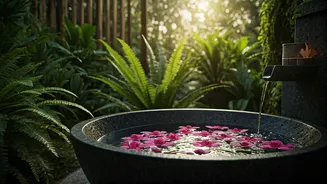
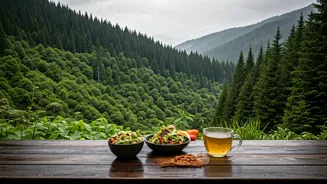
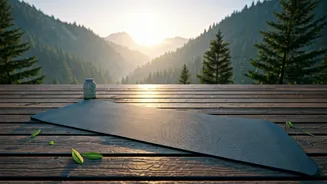
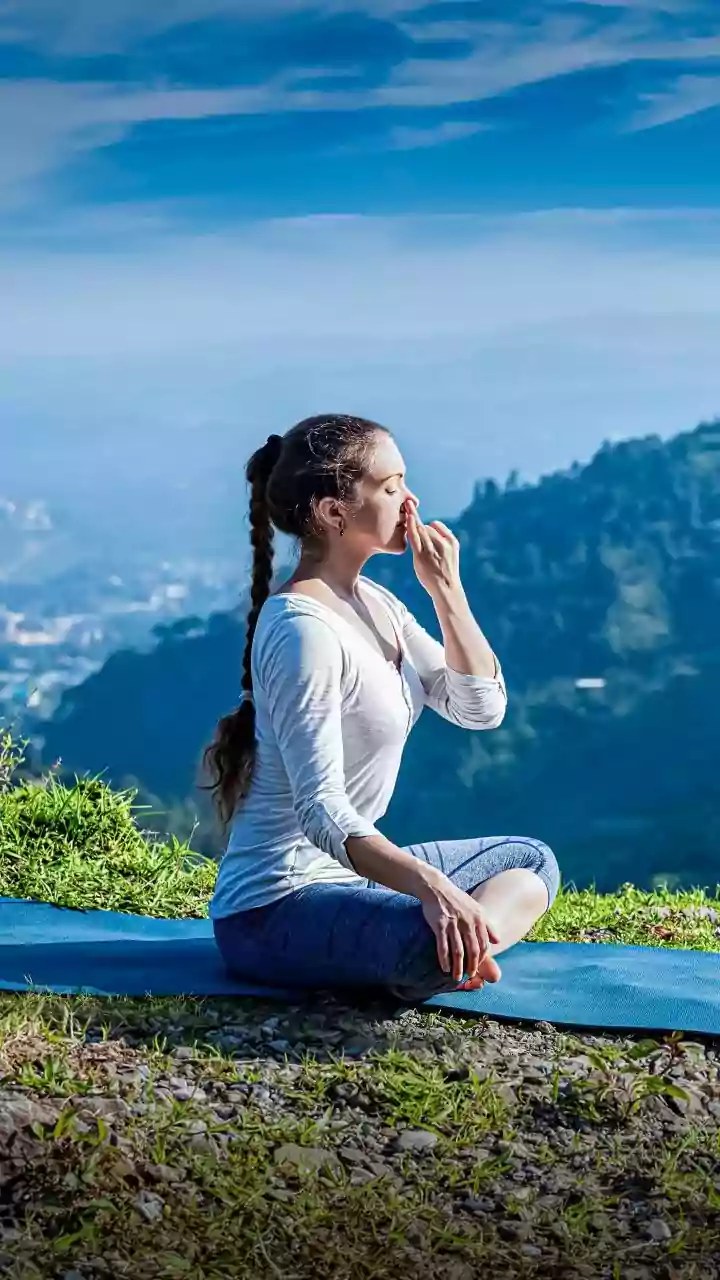
This new mindset translates into very different plans. The coveted booking is no longer for a party in Goa, but for a week-long panchakarma retreat in Kerala, where the monsoon is considered the ideal time for Ayurvedic healing. Social media feeds are slowly changing, too. The photo of a cocktail at a rooftop bar is being replaced by a steaming cup of homemade ginger chai enjoyed while watching the rain, a stack of books for a quiet weekend, or a video of a home yoga session. Travel, when it happens, is more intentional. It's less about ticking off destinations and more about immersive experiences: think silent retreats in the Himalayas, pottery workshops in a quiet town, or simply a 'staycation' dedicated to decluttering the mind, not just the home. This is the new aspiration: a state of calm, clarity, and genuine contentment.
Beyond the Brag: The Economics of Well-being
There’s also a practical dimension to this shift. In an uncertain economic climate, conspicuous consumption feels less appealing, and for some, less possible. Choosing wellness can be a more sustainable financial choice. A weekend spent reading, cooking, and spending time with family is infinitely cheaper than an international flight and hotel. However, it's a mistake to think the wellness trend is entirely anti-consumerist. The wellness industry itself is a multi-billion dollar market. Organic foods, high-end yoga mats, boutique wellness getaways, and mindfulness apps all come with a price tag. The difference is that the spending is framed as an investment in oneself—in health, peace, and longevity—which, for a growing number of Indians, feels like a far more sensible and rewarding purchase than a fleeting status symbol.