


The Flavour Known as 'Chatpata'
If you've ever enjoyed Indian street food, or 'chaat', you've experienced 'chatpata'. It isn't a single taste but a symphony of sensations that hit all at once. The word loosely translates to 'lip-smacking', a term that perfectly captures its essence.
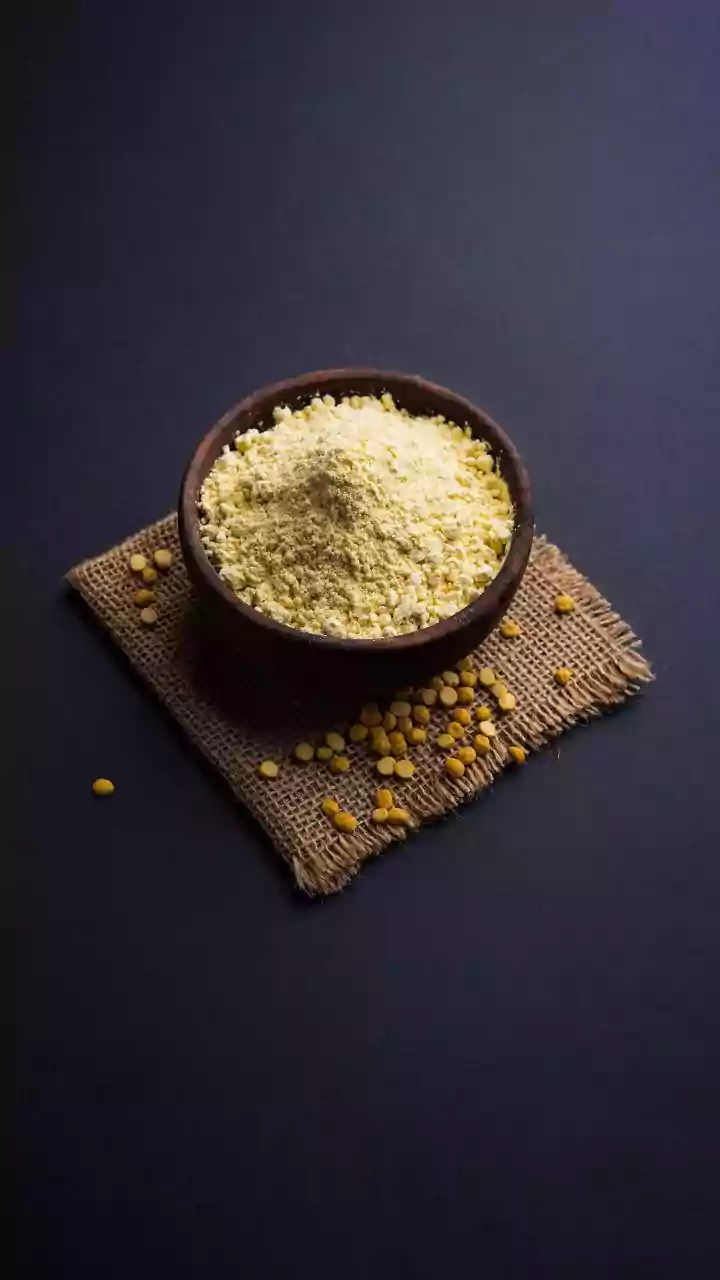
Imagine a flavour profile that is simultaneously tangy, spicy, salty, and sweet. This culinary magic is achieved through a blend of key ingredients. Tang comes from amchur (dried mango powder) or tamarind; spice from chillies; a unique savory funk from kala namak (black salt); and a balancing sweetness from dates or jaggery. For generations, this flavour was the domain of street-side 'chaatwalas', but now it's breaking free and finding its way into every part of the food world.
The End of Bland Wellness Food
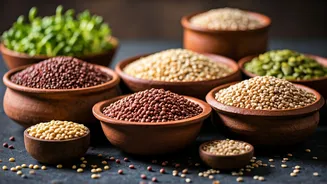
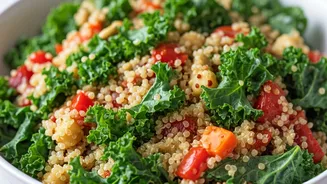
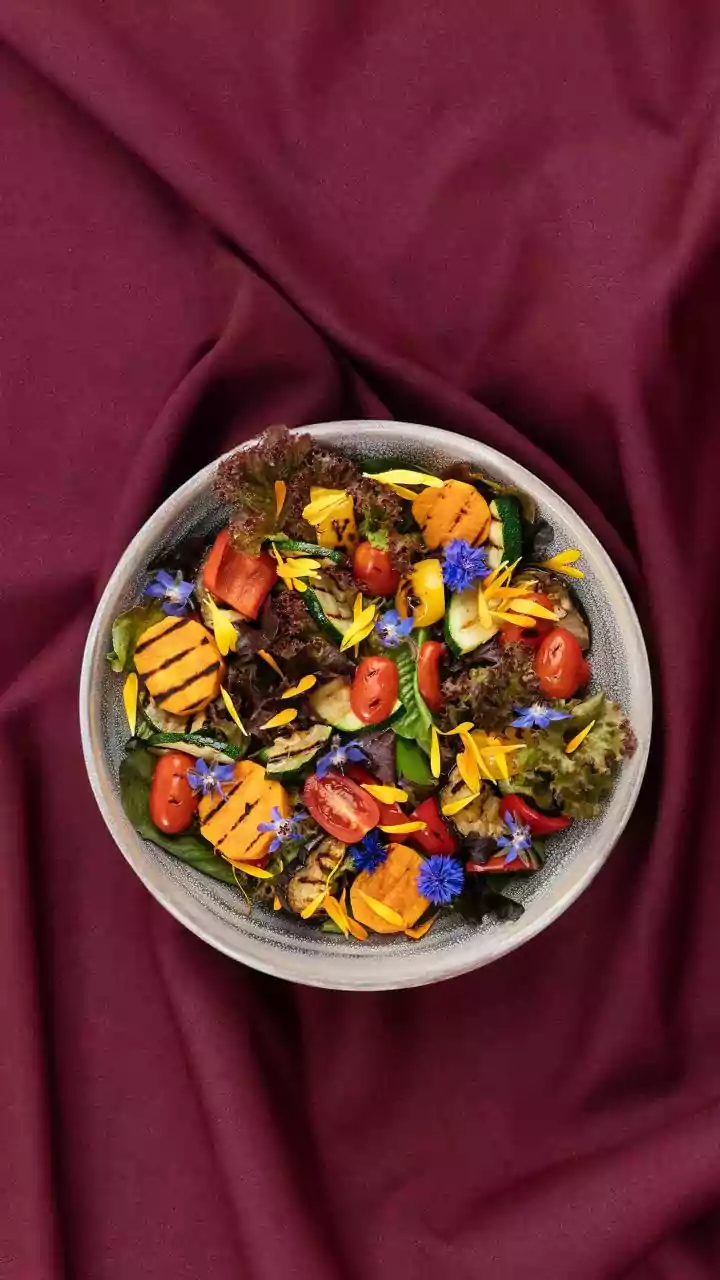
For too long, 'healthy eating' has been unfairly stereotyped as a culinary punishment. Think steamed, unseasoned vegetables, plain salads, and joyless bowls of grains. While nutritious, these meals often lack the personality and excitement that make eating a pleasure. This is where the 'chatpata' trend is making a significant impact. Health-conscious brands and consumers are realizing that you don't have to sacrifice flavour for function. By incorporating the bold, layered tastes of 'chatpata', once-boring wellness foods are being transformed into meals people genuinely crave. A sprinkle of chaat masala on a salad, a tamarind drizzle over roasted vegetables, or a millet bowl seasoned with tangy spices can elevate a simple, healthy dish into something truly memorable.
More Than Just Great Taste
The genius of this trend is that the ingredients driving the 'chatpata' flavour are often inherently healthy and align perfectly with wellness goals. Many of the spices used are celebrated in traditional medicine for their functional properties. Cumin (jeera) and ginger are known to aid digestion. Turmeric contains curcumin, a compound recognized for its potent anti-inflammatory properties. Asafoetida (hing) helps reduce bloating, while amla (Indian gooseberry) is a rich source of Vitamin C. The spices and herbs central to 'chaat' provide a host of vitamins, minerals, and antioxidants, turning a flavour enhancer into a nutritional booster. This fusion of taste and health benefits is a megatrend, satisfying both our palates and our growing desire for healthier eating.
The Modern Culinary Movement
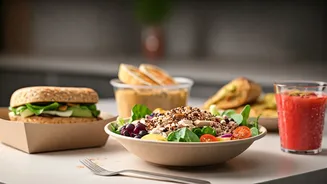
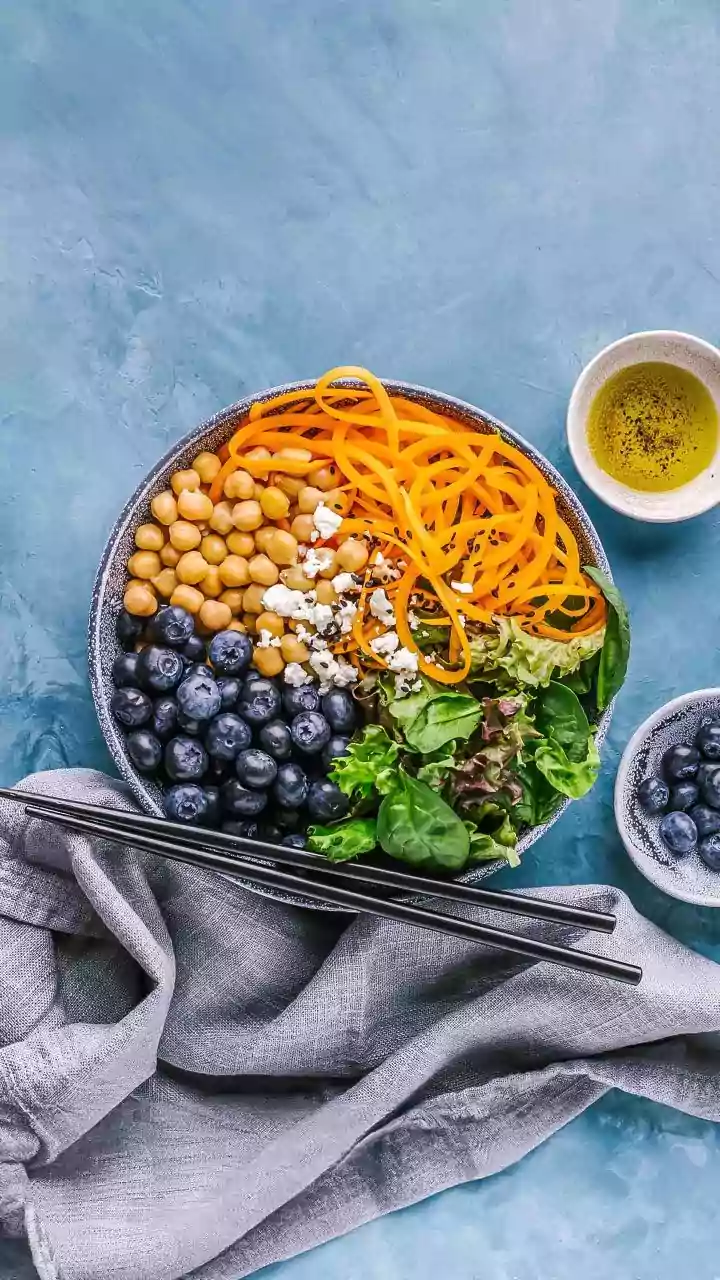
Chefs and innovative food brands are leading the charge, creatively integrating 'chatpata' elements into modern health foods. You can see this in the form of 'chaat' salads with sprout and chickpea bases, roasted makhana (fox nuts) with 'chatpata' seasoning, or even healthy 'katori' (cup) chaats using tofu and boiled beans instead of fried ingredients. The profile is so popular that it has become the go-to for adding excitement to everything from popcorn to instant noodles. This movement is about making healthy food accessible and appealing, using familiar cultural flavours to create nourishing dishes that don't feel like a compromise. It's about bridging the gap between indulgence and well-being.
Bring the 'Chatpata' Vibe Home
You don't need to be a professional chef to join this flavour revolution. Bringing 'chatpata' personality to your own kitchen is simple. Start by stocking a few key spices: chaat masala is a must-have, as is amchur, black salt, and roasted cumin powder. Try making a simple salad dressing with low-fat yogurt, mint, coriander, and a pinch of chaat masala. Elevate roasted vegetables or a simple dal with a squeeze of lemon and a sprinkle of amchur. You can create a healthy 'bhel' using puffed rice or quinoa, loading it with chopped onions, tomatoes, and cucumber, and tossing it with tamarind chutney. Experimenting with these flavours is a fantastic way to keep your healthy eating journey exciting and delicious.