








The Study Sparking Headlines
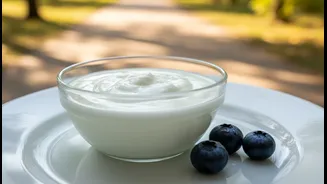
Recently, a study published in the journal Aging caught the public's imagination. It followed a group of overweight Japanese men aged 50 to 74 for 12 weeks. One group was asked to follow a structured program: eat 100g of a specific probiotic yoghurt daily,
receive basic dietary counselling to reduce overeating and sugary drinks, and walk for at least 30 minutes, three or more days a week. The results were intriguing. Using a specific marker for the pace of aging, researchers found that the men in the program showed a statistically significant slowdown in their rate of biological aging—about 2.2%—compared to a control group that made no changes.
What is Biological Age?
Before we go further, it's important to understand what "biological age" means. It isn't the number of birthdays you've had; that’s your chronological age. Biological age is a measure of how old your cells and tissues are on a functional level. Scientists use various biomarkers to estimate it, including chemical marks on your DNA (a process called DNA methylation), the length of protective caps on your chromosomes (telomeres), and levels of inflammation in your body. In the Japanese study, researchers used an epigenetic clock called DunedinPACE, which is designed to measure the current speed of aging rather than giving a static age number. A lower biological age or a slower pace of aging generally means you're at a lower risk for chronic diseases.
The All-Important Caveat
Here is the crucial point that many headlines miss: the benefits cannot be pinned on the yoghurt alone. The researchers themselves pointed out that because the study combined probiotics, dietary advice, and exercise, it's impossible to credit just one component. The study was designed as a lifestyle "package." The participants in the intervention group didn't just add yoghurt to their existing habits; they also received coaching on their diet and were provided with a stepper device to encourage regular walks. In fact, they lost a meaningful amount of weight, while the control group did not. This doesn't diminish the finding, but it reframes it. The positive result likely reflects the combined, synergistic effect of all three factors working together.
The Power of a Combined Approach
This finding is actually more powerful than a 'magic bullet' food. It reinforces what health experts have long advised: holistic lifestyle changes are what truly move the needle on health and longevity. Regular exercise is known to have potent anti-aging effects, protecting cells and supporting everything from cardiovascular health to muscle mass. A balanced diet, focused on reducing excess calories and sugar, helps manage inflammation and metabolic health. And the probiotics in yoghurt can support a healthy gut microbiome, which is increasingly understood to play a major role in regulating inflammation and immune function throughout the body. The study didn't test yoghurt versus walking versus dietary advice. Instead, it showed that a realistic, multi-pronged program is an effective way to influence the aging process at a cellular level.
Your Real-World Takeaway
So, should you rush out and stock up on yoghurt? Including probiotic-rich foods like plain yoghurt in your diet is certainly a positive step for many people. But the bigger lesson from this study is about consistency and combination. You don't need a formal research program to start. The components of the study are accessible to almost everyone: aim for regular walks, make conscious choices to reduce snacks and sugary drinks, and consider adding fermented foods to your diet. The key is to stop searching for a single miracle cure and instead embrace the power of building a sustainable routine of good habits. This study, with all its caveats, is a promising sign that modest, consistent efforts can pay measurable dividends for your long-term health.