






The Age of the Algorithm
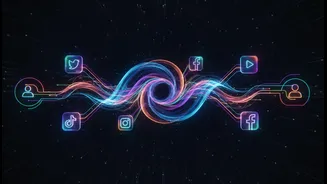
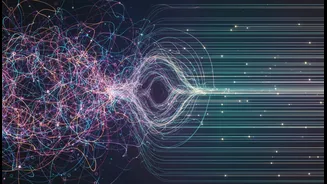
For the last decade, our online lives have been curated. Social media platforms use complex algorithms—sets of rules and data—to decide what you see. Instead of showing you posts in the order they happen, these systems prioritize content they predict
you will engage with most. The goal is simple: to keep you on the platform longer by serving a personalized, seemingly endless stream of content that captures your attention. This model, pioneered by Facebook and perfected by TikTok, tracks your likes, shares, comments, and even how long you pause on a video to build a profile of your interests. As a result, your feed becomes a unique reflection of your behavior, designed to maximize your time spent scrolling and, consequently, the platform's ad revenue.
The Pull of Chronological Feeds
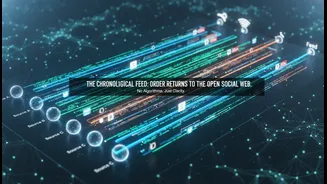
The pushback against algorithmic curation has led to a renewed interest in chronological feeds, which simply display posts in the order they were published. For many users, the appeal is about regaining a sense of control. A chronological feed is predictable and transparent; there are no hidden systems deciding what you should see. This can lead to a healthier relationship with social media, reducing the feeling of being in an 'echo chamber' where your own views are constantly reflected back at you. It also means you see content from everyone you follow, not just the accounts the algorithm deems most engaging, which can foster a more genuine sense of community. Platforms like Instagram and X (formerly Twitter) have reintroduced chronological options, though they often require users to actively select them.
What is the 'Open Social Web'?
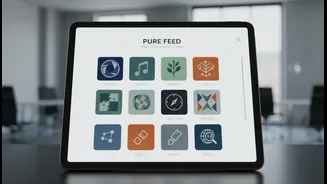
The conversation around algorithm-free feeds is part of a bigger idea: the 'open social web'. This concept envisions a more decentralized internet, where power isn't concentrated in the hands of a few large companies. Instead of existing within the 'walled gardens' of platforms like Facebook or Instagram, your online identity and content could be your own. Platforms like Mastodon and Bluesky are built on open protocols, allowing different services to connect with each other. In this model, you could move between apps without losing your network. Recently, new apps like HyperTexting have even emerged to turn the entire web into a single, chronological feed, pulling from blogs, news sites, and newsletters using RSS technology. This approach gives users ultimate control, free from corporate algorithms and advertising.
The Challenge for Platforms and Creators
While users may crave a simpler feed, a full shift away from algorithms presents major challenges. For platforms, algorithms are the engine of engagement and, by extension, revenue. A world where users can see everything new and then log off is less profitable. For content creators, the algorithm is a double-edged sword. While it can feel frustratingly opaque, it also enables discovery, allowing creators to reach new audiences far beyond their existing followers. In a purely chronological world, visibility would depend heavily on posting at the exact right time to catch your audience online. Smaller creators might struggle to get noticed without the amplification that a successful, algorithm-friendly post can provide. The current system rewards content that generates strong reactions, and moving away from that could fundamentally change who succeeds online.
A Hybrid Future?
The future of the social web is unlikely to be a simple choice between one model and the other. Instead, we are likely heading towards a more hybrid ecosystem. Major platforms will continue to refine their powerful recommendation engines, which have proven incredibly effective at keeping users engaged. At the same time, the demand for more user control is undeniable, fueled by concerns over mental health, misinformation, and the creation of filter bubbles. This has led to the rise of niche, 'anti-algorithmic' apps and the growth of decentralized networks. This gives users more choice than ever before. You might use an algorithmic feed for discovery and entertainment, while turning to a chronological or open-source tool for news and connecting with a specific community. The 'open social web' may not replace the current giants, but it offers a powerful alternative for those seeking a different kind of online experience.