





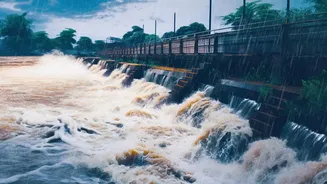
Know Before You Go: Check Forecasts and Advisories
The single most important step before any monsoon journey is to check the latest information. Heavy rainfall can cause sudden disruptions. Start with the India Meteorological Department (IMD) for weather alerts. Their MAUSAM and UMANG apps provide district-level
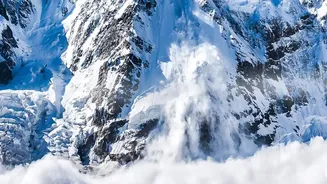
forecasts and warnings for heavy rain, which can help you decide whether to travel at all. Next, check for road advisories. Incessant rains frequently lead to landslides and road closures, particularly in hilly regions like Himachal Pradesh and Uttarakhand. Local police and disaster management authorities often post real-time updates on social media. For highway travel, the National Highways Authority of India (NHAI) helpline (1033) is a valuable resource for information on blockages or diversions. Planning a trip without checking these advisories is a significant risk that is easily avoided.
Your Pre-Monsoon Vehicle Checklist
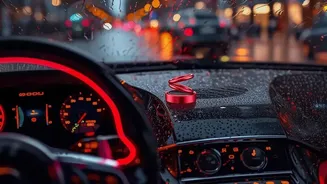
A well-maintained car is your first line of defence. Before the rains set in, ensure your vehicle is ready. Visibility is critical, so start with your wiper blades. If they are chattering, squeaking, or leaving streaks, replace them. Worn blades are a safety hazard in a downpour. Also, top up your windshield washer fluid with a proper cleaning solution, not just water. Test all your lights: headlights (both high and low beam), taillights, brake lights, and indicators. During heavy rain, you need to see and be seen. Your tyres are your only connection to the road. Ensure they have adequate tread depth—at least 2-3 mm—to prevent aquaplaning, where a layer of water builds up between the tyre and the road, causing a loss of control. Finally, have your brakes inspected. Wet roads increase braking distances, so your brake pads and fluid must be in optimal condition.
Safe Driving Techniques for Wet Roads
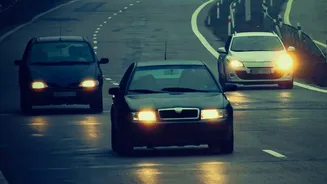
Driving habits must adapt to wet conditions. The most important rule is to reduce your speed. Driving at 50 km/h or slower in heavy rain significantly reduces the risk of hydroplaning. Double your following distance from the vehicle in front of you; what is a two-second gap in the dry should become a four-second gap in the wet to account for longer braking distances. Use your low-beam headlights during the day to increase your visibility to others. High beams reflect off raindrops and can worsen visibility for you and oncoming traffic. Avoid sudden acceleration, hard braking, and aggressive steering, as these can cause you to lose traction. Be especially careful on painted road markings like zebra crossings, which become extremely slippery when wet.
Navigating the Menace of Waterlogged Roads
Waterlogged streets are one of the biggest dangers of monsoon driving. If you are unsure about the depth of the water, do not attempt to drive through it. It only takes about six inches of water to cause a loss of control or stall your engine, and just a foot of water can be enough to float some vehicles. If you must proceed, do so only after gauging the depth from other vehicles. The water should not be higher than the bottom of your car's bumper. Engage a low gear, keep your engine RPMs high to prevent water from entering the exhaust, and drive slowly and steadily to create a bow wave. Never restart a car that has stalled in water. This can cause water to be sucked into the engine, leading to a catastrophic failure known as hydrostatic lock. It is far safer to abandon the vehicle and move to higher ground if the water is rising.
Your In-Car Emergency Kit
Being prepared for the worst can make a massive difference if you get stranded. Keep an emergency kit in your car throughout the monsoon. This should include a basic toolkit, extra fuses, a functional torch, and a first-aid kit. It is also wise to pack a tow rope, an umbrella or raincoat, and a change of clothes. High-energy snacks and drinking water are essential in case you are stuck for an extended period. Ensure your phone is fully charged before you leave and carry a power bank. In an emergency on a highway, having the NHAI helpline number (1033) saved can expedite assistance.